
Breed-related disease: Sphynx cat
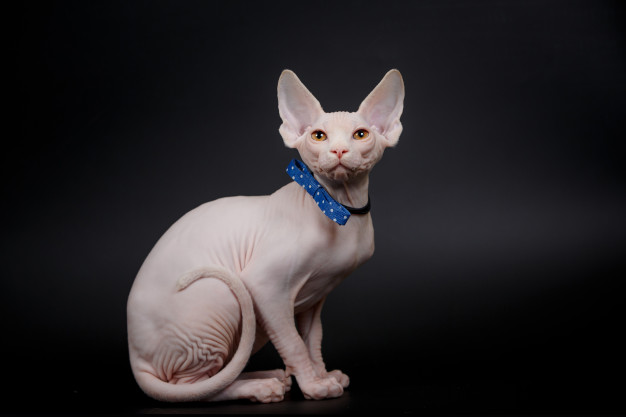
The Sphynx cat is a breed of cat known for its lack of coat (fur). Hairlessness in cats is a naturally occurring genetic mutation; however, the Sphynx cat, as a breed, was developed through selective breeding. The Sphynx first appeared as a natural mutation in Canada in 1966. The first hairless male, Prune, was mated back to his mother, and some of their hairless kittens were exported to Europe, where they acquired the breed’s name. Despite appearances they’re not completely naked and their skin has the texture of a peach – Sphynx should not be described as bald! They’re warm to the touch too! It really is difficult to judge or appreciate Sphynx just from photographs. What wins people over, beyond the appeal of the unusual, is their larger-than-life characters. It is possibly one of the most affectionate, sociable and intelligent cats in the world, they adore human attention and enjoy cuddles and games. They are outgoing, mischievous, people-orientated and loves attention. These cats often greet their owners when they come home and are very talkative. They are highly intelligent, playful and cuddly. They like to sleep with their owners – under the covers. Their body temperature is a degree or two above the average for normal cats and they have voracious appetites to compensate for the heat loss. With little protection against the elements, these cats cannot be left out in the cold, they don’t like to sit on cold surfaces and they do appreciate central heating! Those that do go outside in the sun may need sun protection on pale skin. We know that because you care so much about your cat, you want to take great care of her. That is why we have summarized the health concerns we will be discussing with you over the life of your Sphynx. By knowing about the health concerns common among Sphynxes, we can help you tailor an individual preventive health plan and hopefully prevent some predictable risks in your pet. Heart Disease: the sphinx is prone to cardiomyopathy which is the medical term for heart muscle disease, either a primary inherited condition or secondary to other diseases that damage the heart. The most common form, called hypertrophic cardiomyopathy, or HCM, is a thickening of the heart muscle often caused by an overactive thyroid gland. Blood Type: Just like people, individual cats have different blood types. Most domestic cats have type A blood, but purebred cats, like your Sphynx often have a different blood type, usually type B or very rarely, type AB. Determining your cat’s blood type is essential before starting a transfusion, so knowing your cat’s type ahead of time can save crucial minutes. For more information regarding the blood typing please visit following link: https://www.bioguard.com.tw/en/project/feline-blood-typing-kit/ Alopecia: If you thought you were getting out of grooming chores by adopting a Sphynx cat, think again! Your sphynx Cat’s skin will build up a greasy grunge if left unbathed—and don’t forget the ears! The insides of the ears will get waxy and need to be cleaned periodically as well. Urticaria Pigmentosa: There is a long list of diseases that can make your cat itch and break out in little red bumps. Allergies to food or to pollen, parasites like fleas or mites, fungal or bacterial infections, and even certain types of autoimmune diseases can all cause these general symptoms. But for your Sphynx, add urticaria pigmentosa to the list. The exact pathology of this itchy skin disease has not yet been fully discovered, but it appears to be passed on genetically, and is fairly common in some family bloodlines. With so many possibilities as the cause for apparently identical skin irritations, diagnostic testing is essential in order to narrow down treatment options. Sources: https://www.yourcat.co.uk/types-of-cats/sphynx-cat-breed-information/ https://chesapeakevetclinic.com/client-resources/breed-info/sphynx/ photo credit: https://www.freepik.com/premium-photo/hairless-canadian-sphynx-cat-with-bow-tie-isolated_6884985.htm
The Shiba Inu
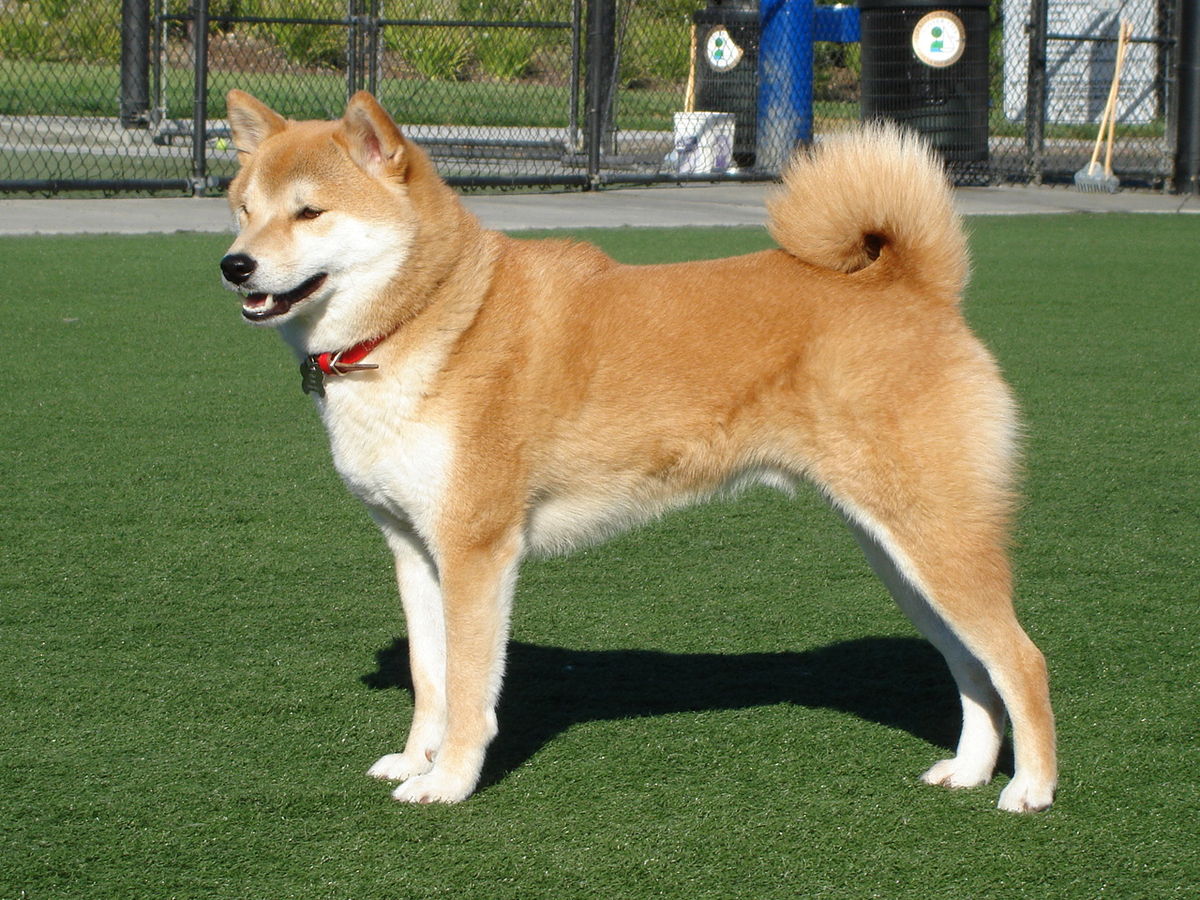
John K. Rosembert The Shiba Inu dog breed was originally bred to flush birds and small game and was occasionally used to hunt wild boar. It is the smallest of the six original and distinct spitz breeds of dog native to Japan. the Shiba Inu dog almost died out entirely in the Second World War but the small number of dogs who had survived bombing raids and a distemper epidemic were bred to save the breed. It is a small, compact dog, their head is in proportion with the body with a round muzzle that has a moderate stop and tapers slightly toward the nose. The tight lips and the nose are black. The teeth meet in a scissors bite. The deep-set eyes are triangular in shape and dark in color. The well-bred Shiba Inu is good-natured, alert, and bold. He is strong-willed and confident and often has his own ideas about things. He is loyal and affectionate with his family, though tends to be suspicious of strangers. The Shiba Inu doesn’t share well. He tends to guard, sometimes aggressively, his food, toys, or territory. And he doesn’t always get along with other dogs, especially if he’s intact. He won’t hesitate to chase small animals that he considers prey. This is a smart breed, but training a Shiba Inu isn’t like training a Golden Retriever. While a Golden is delighted to come when called, the Shiba Inu will come when he feels like it — or not. He’s been described as stubborn, but freethinking is probably a more positive way to characterize him. Below we will discuss the most common health problems that Shiba Inu may encounter during his lifetime. Eye Problems: Not many things have as dramatic an impact on your dog’s quality of life as the proper functioning of his eyes. Unfortunately, Shiba Inus can inherit or develop several different eye conditions, some of which may cause blindness if not treated right away, and most of which can be extremely painful! We will evaluate his eyes at every examination to look for any signs of concern. Ex: Glaucoma, Cataracts, Distichiasis, Eyeballs. Pyometra: If a female Shiba Inu hasn’t been spayed, then they can experience pyometra during their heat cycle. It occurs when the growth of cells in the uterus is at its highest production rate (this happens during their heat cycle), in which bacteria can migrate into the area and cause a life-threatening infection. While this condition can occur to all-female canines, it seems to be a bit more prominent with Shibas, which only furthers the reason they should be spayed. Heart Disease: Some breeds like your Shiba can be born with a variety of heart defects. Most of these affect the structure of the heart’s dividing wall or the vessels. They can also cause problems with the electrical signals that control the heartbeat or with heart valve function. Allergies: In humans, an allergy to pollen, mold, or dust makes people sneeze and their eyes itch. In dogs, rather than sneeze, allergies make their skin itchy. We call this skin allergy “atopy”, and Shibas often have it. Commonly, the feet, belly, folds of the skin, and ears are most affected. Symptoms typically start between the ages of one and three and can get worse every year. Licking the paws, rubbing the face, and frequent ear infections are the most common signs. The good news is that there are many treatment options available for this condition. Seizures: Seizures in dogs aren’t exactly similar to what humans are used to. They can take shape as the Shiba Inu running around ceaselessly, hiding in corners in complete confusion, barking at nothing, and freezing up. While seizures are usually not life -threatening for dogs, they can also be indicative of a more serious problem. https://dogtime.com/dog-breeds/shiba-inu#/slide/1 https://animalhealthcenternh.com/client-resources/breed-info/shiba-inu/ https://canna-pet.com/shiba-inu-health-problems-issues/ Photo credit: https://thehappypuppysite.com/shiba-inu-temperament/ https://en.wikipedia.org/wiki/Shiba_Inu
Breed-related disease: Scottish Fold
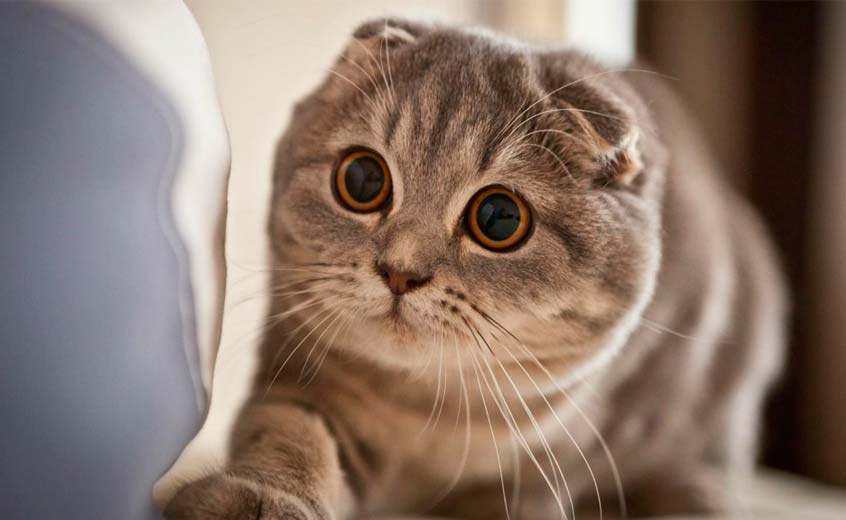
John K. Rosembert The Scottish Fold is a medium-size cat with a rounded head and big round eyes, although he is known for his standout feature: ears that fold forward, giving him the appearance of a furry owl. His coat, which comes in many colors and patterns, can be short or long. The long-haired variety is known as the Highland Fold. Drop-eared cats such as the Scottish Fold are not as unusual as they might seem. Spontaneous genetic mutations, such as curly coats or folded ears, occur in cats on a fairly regular basis, and the Scottish Fold is the result of such a mutation. All of today’s Folds descend from a Scottish fold-eared cat named Susie who was found by a shepherd in 1961. Scottish Fold kittens are born with what look like normal ears. The ears soon begin to bend forward, usually two to four weeks after birth. By the time he is three months old, the typical Scottish Fold has a distinctly owlish look, the tightly folded ears do not appear to be any more prone to infections than those of cats with upright ears. However, this unique ear shape is caused by an underlying defect in the formation of cartilage, which would normally retain the ears in a normal shape. This inherited cartilage defect (also known as Scottish Fold disease, or Osteochondrodysplasia) causes other deformities throughout the body and is a dominant trait, meaning all kittens in the litter will be affected. The disease is evident on x-rays of cats from as young as 7 weeks of age. Serious abnormalities in joints and bone growth lead to arthritis (painful, swollen joints), short, abnormally thick and inflexible tails, spinal abnormalities and short, stiff legs. The welfare impacts are severe in terms of pain and inability to perform natural behaviors, as these cats can be lame, walk with an abnormal gait, can be reluctant to engage in normal movements such as walking or jumping, and can even become completely crippled. That’s why breeding the Scottish Fold is banned in some country. The Scottish Fold is a great family pet. They are very loyal to their family. They are not a shy breed that would hide around the house; they prefer always being around and following owners from room to room. Scottish Folds are very intelligent and inquisitive. They learn to open cabinets, play fetch, sit up, and some like to eat & drink with their paws. Most love to drink from running water! Most Scottish Folds also “sit up” like a prairie dog when they hear something to get a look around. Below we summarized some of the most common health issues of Scottish Fold cat in order to help you prevent some predictable risks in your pet. Dental disease is one of the most common chronic problems in pets who don’t have their teeth brushed regularly. Unfortunately, most cats don’t take very good care of their own teeth, and this probably includes your Fold. Polycystic kidney disease (PKD) is caused by a defective gene. The disease was first recognized in Persians, and is seen occasionally in other breeds, including Shorthaired Scottish Folds. Affected kittens are born with miniscule cysts inside the kidneys and sometimes the liver that slowly enlarge over time, eventually destroying the affected organ. FLUTD Feline lower urinary tract disease (FLUTD) is not a specific disease, but rather is the term used to describe conditions that can affect the urinary bladder and/or urethra (the lower urinary tract) of cats. This situation is very common in Scottish Fold. Sources https://canalclinic.com/client-resources/breed-info/scottish-fold-shorthair/ Photo credit https://scottishfoldcats.net/scottish-fold-munchkin-cat-price/ https://commons.wikimedia.org/wiki/File:Scottish_fold_cat.jpg
Beagle Breed Health Risks and Modern Diagnostic Approaches
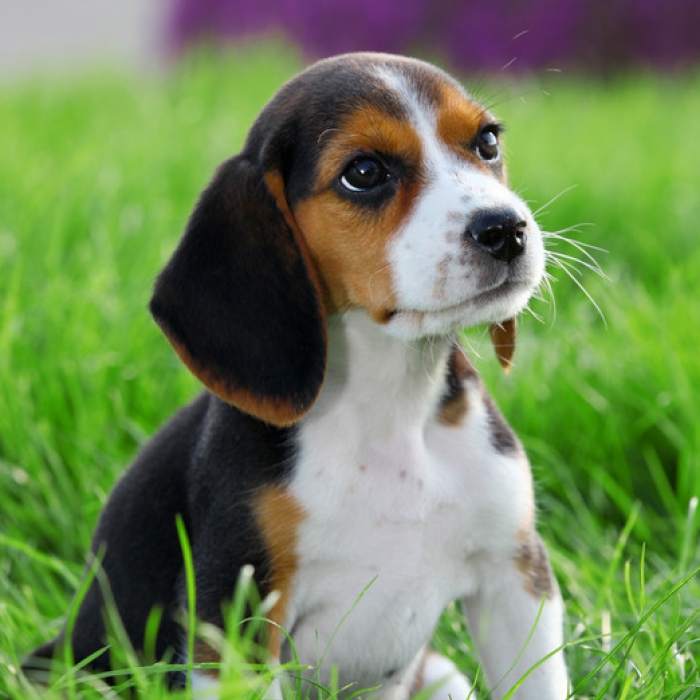
Table of Contents 1. Introduction: The Beagle as a Functional Scent Hound The Beagle is a small hound breed developed primarily for hunting hare, distinguished by its exceptional sense of smell and persistent tracking ability. Closely resembling a smaller version of the foxhound, the Beagle has historically functioned as a scent-driven working dog, capable of following trails over long distances with remarkable accuracy. This olfactory specialization has extended beyond hunting; today, Beagles are widely used as detection dogs for prohibited agricultural products and food items in quarantine systems worldwide, reflecting the precision of their scenting capability. From a morphological standpoint, Beagles are compact yet robust, with a deep chest, strong limbs, and a short, dense coat—features that support endurance rather than speed. Their long head, low-set drooping ears, and expressive eyes are characteristic of scent hounds, while their sociable and gentle temperament has made them one of the most popular companion breeds globally. However, alongside these desirable traits, the breed is associated with a range of Beagle health problems that reflect both its genetic background and functional design. These include neurological disorders such as epilepsy, endocrine conditions like hyperadrenocorticism, and structural issues affecting the spine, eyes, and cardiovascular system. As veterinary medicine increasingly adopts precision and preventive approaches, understanding how these risks arise—and how they can be managed—is essential for improving long-term health outcomes in the breed. 2. Breed Morphology and Behavioral Characteristics The Beagle’s morphology and behavior are tightly linked to its historical role as an endurance scent hound, bred to track prey over long distances in challenging terrain. As with many working breeds, these functional traits confer both performance advantages and predictable clinical risks. 2.1 Morphology The physical build of the Beagle reflects its specialization for sustained scent tracking rather than speed, with anatomical features optimized for endurance, environmental resilience, and olfactory efficiency. 2.1.1 Coat and Coloration Beagles possess a short, dense, and weather-resistant “hound coat”, designed to protect against environmental exposure such as moisture and dense vegetation. Most commonly tricolor (black, white, and tan) Other variations include lemon and white or red and white Characteristic white-tipped tail (“flag”) enhances visibility in tall grass 2.1.2 Body Structure and Build Beagles are compact, sturdy, and slightly longer than tall, with a structure that supports endurance tracking: Deep, broad chest → increased lung capacity Strong, muscular back → sustained locomotion Short, stocky limbs → stability over uneven terrain This conformation allows Beagles to maintain prolonged activity at moderate intensity, a key trait for scent hounds. 2.1.3 Head and Expression The Beagle’s head is a functional sensory unit: Moderately long skull with slight dome Square-cut muzzle for efficient airflow Large brown or hazel eyes, producing the breed’s characteristic gentle expression Low-set, drooping ears, aiding in scent tracking 2.1.4 Clinical Risks Associated with Morphology While functionally advantageous, these traits contribute to specific health risks: Ear infections (otitis externa):Drooping ears restrict airflow, creating a warm, humid environment favorable for bacterial and yeast overgrowth Spinal disorders (IVDD):A relatively elongated back combined with compact limb structure can increase mechanical stress on intervertebral discs Clinical Insight:Even moderate conformation traits, as seen in Beagles, can produce measurable disease risk when combined with lifestyle and environmental factors. 2.2 Behavioral Characteristics The Beagle’s temperament reflects its development as a pack-oriented, scent-driven working dog, resulting in a unique combination of sociability, independence, and strong instinctual behavior. 2.2.1 Sociability and Temperament Beagles are widely regarded as: Friendly, gentle, and even-tempered Highly sociable with other dogs Particularly well-suited for families with children Their pack-based origin contributes to their strong social bonding behavior. 2.2.2 Separation Anxiety A direct consequence of their pack nature is a low tolerance for isolation: Prone to separation anxiety May exhibit destructive behaviors when bored or left alone Clinical Relevance:Chronic stress can contribute to behavioral disorders and secondary health issues. 2.2.3 Instinctual Drives and Roaming Behavior Beagles possess an exceptionally strong prey drive and scent-tracking instinct: Easily distracted by environmental scents May ignore recall commands once engaged in tracking Require secure fencing and leash control Behavioral Note:Early socialization is essential if cohabiting with non-canine pets. 2.2.4 Training and Cognitive Profile Although intelligent, Beagles exhibit: Independent, scent-driven decision-making Reduced responsiveness to repetitive obedience training Effective Training Strategy: Positive reinforcement Short, engaging sessions Use of food-based motivation 2.2.5 Vocalization (Baying) Beagles are known for their distinctive “baying” vocalization: A deep, resonant sound combining elements of a howl and bark Historically used to signal location during hunts Modern Context:This trait persists and can be a challenge in domestic environments. 2.2.6 Appetite and Obesity Risk Beagles have a markedly high appetite and food motivation, which presents both advantages and risks: Facilitates training Predisposes to: Overeating Ingestion of non-food items Clinical Impact of Obesity: Increased risk of: IVDD Osteoarthritis Cardiovascular disease Clinical Insight:In Beagles, obesity is not merely a lifestyle issue—it is a major disease amplifier. 2.3 Clinical Implications of Morphology and Behavior The defining traits of the Beagle—its appetite, ear structure, endurance build, and independent temperament—are direct products of its functional history as a scent hound. However, these same traits also create predictable veterinary risks and management challenges. Table 1. Functional Traits and Associated Clinical Risks in Beagles Trait Functional Role Clinical Risk Strong Appetite Survival advantage; enhances trainability (e.g., detection work such as “Beagle Brigade”) Obesity; dietary indiscretion; foreign body ingestion → gastrointestinal obstruction, toxicity Drooping Ears Trap and funnel scent particles toward the nose during tracking Otitis externa; bacterial (Pseudomonas) and yeast (Malassezia) overgrowth due to reduced airflow Active Tracking Behavior + Body Structure High stamina; low center of gravity supports sustained scent tracking Increased spinal stress → Intervertebral Disc Disease (IVDD); joint strain Independent Temperament Enables autonomous tracking over long distances Training difficulty; poor recall; roaming behavior → environmental hazards (e.g., traffic) 2.3.1 Appetite and Metabolic Risk Beagles exhibit a voracious and indiscriminate appetite, a trait historically advantageous for survival and now leveraged in working roles requiring food-based training. From a clinical perspective, this predisposition results in: High obesity risk, which significantly
Bengal Cats and Breed-Linked Disease Risks: A Clinical Perspective on Genetics, Behavior, and Preventive Care
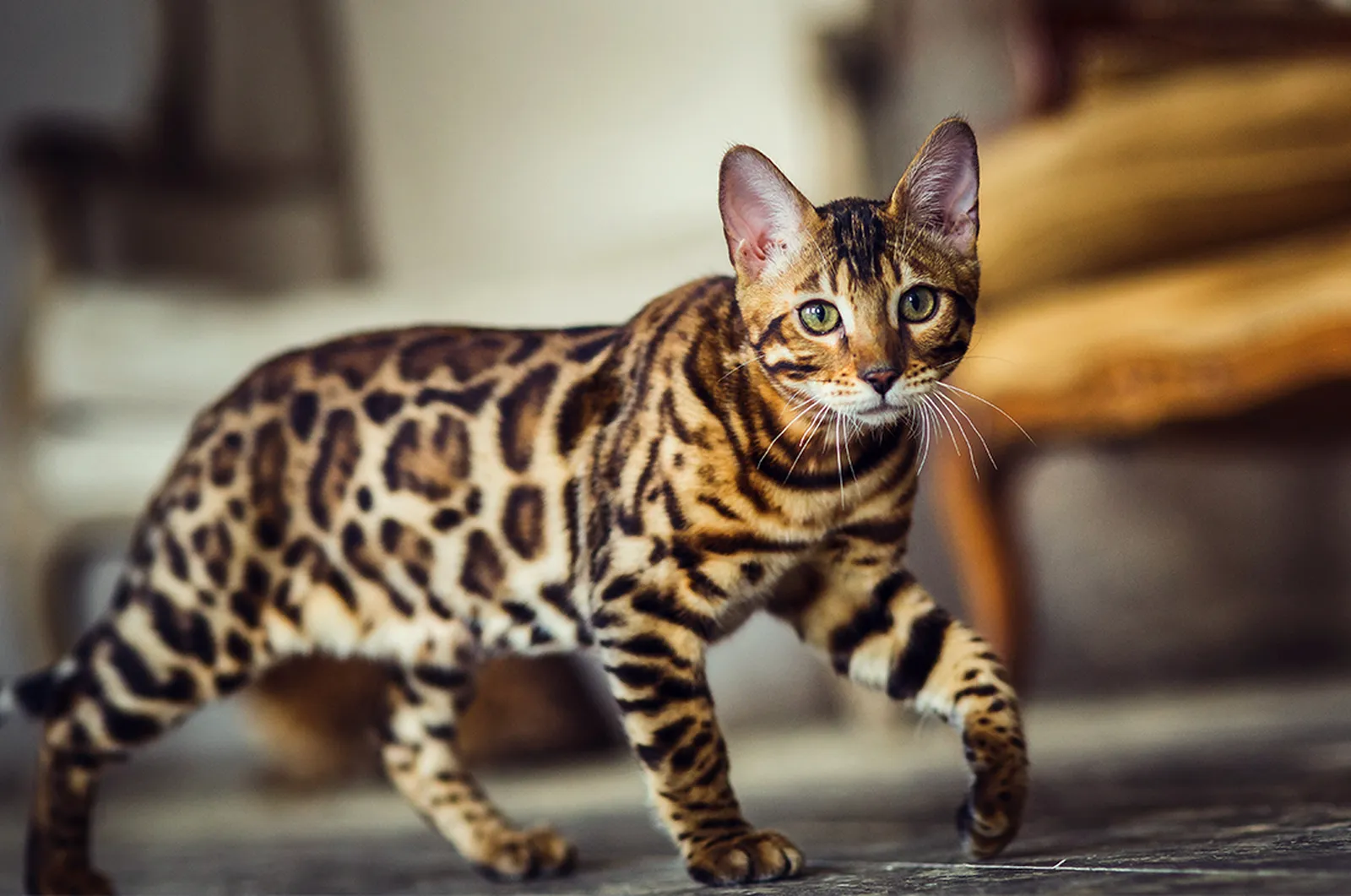
Table of Contents 1. Introduction: A Hybrid Breed with Distinct Clinical Implications The Bengal cat is a domesticated breed developed through hybridization between domestic cats—most notably the Egyptian Mau and Abyssinian—and the Asian leopard cat (Prionailurus bengalensis). This lineage does not merely produce an exotic phenotype; it establishes a distinct physiological, behavioral, and clinical profile that directly influences how the breed should be managed in veterinary practice. From a morphological standpoint, Bengals are long, muscular, and medium- to large-sized, with a broad head, pronounced whisker pads, high cheekbones, and wide, expressive eyes accentuated by characteristic periocular markings. Their physicality reflects what is often described as the “grace of a jungle cat”—a combination of stealth, agility, and explosive movement. However, in clinical terms, these traits are not superficial; they are indicative of heightened metabolic demand, neuromuscular activity, and behavioral intensity. Behavioral Demands and Stress-Linked Clinical Expression In practice, Bengal cats consistently demonstrate exceptionally high cognitive and physical requirements. Unlike typical domestic breeds, they require sustained environmental engagement—often 30 to 60 minutes of structured interactive activity daily, in addition to access to vertical climbing environments that accommodate their arboreal instincts. Failure to meet these requirements is not benign. Chronic understimulation frequently manifests as stress-mediated pathological behaviors, including: Pica: Ingestion of non-nutritive materials, increasing the risk of gastrointestinal obstruction Psychogenic Alopecia: Excessive grooming resulting in alopecia and secondary dermatologic complications Inappropriate Elimination: Litter box aversion or urine marking driven by environmental or territorial stress From a clinical perspective, these presentations are often misinterpreted as isolated behavioral issues, when in fact they represent environmental mismatch syndromes—a mismatch between innate behavioral programming and domestic living conditions. Genetic and Systemic Disease Predispositions Despite their robust appearance, Bengals carry a predictable set of inherited and breed-associated disorders, many of which remain subclinical until advanced stages: Hypertrophic Cardiomyopathy (HCM): A primary myocardial disorder characterized by left ventricular hypertrophy. It is a leading cause of morbidity and mortality, often progressing silently until complications such as congestive heart failure or Feline Aortic Thromboembolism (FATE) occur—manifesting as acute hind limb paralysis. Progressive Retinal Atrophy (PRA-b): A recessively inherited condition unique to the breed, resulting in early-onset photoreceptor degeneration and eventual blindness, frequently by two years of age. Pyruvate Kinase Deficiency (PK-Def): A metabolic disorder affecting erythrocyte survival, leading to intermittent hemolytic anemia, lethargy, and variable clinical severity. Flat-Chested Kitten Syndrome (FCKS): A developmental thoracic deformity observed in neonates, which may compromise cardiopulmonary function depending on severity. These conditions underscore a critical principle: phenotypic vitality does not equate to genetic resilience. Orthopedic Vulnerabilities in a High-Performance Breed The Bengal’s athleticism—characterized by frequent jumping, climbing, and rapid directional movement—places sustained mechanical stress on joints. Clinically, this correlates with an increased incidence of: Patellar Luxation Hip Dysplasia While these conditions may initially be subclinical, progressive joint instability leads to chronic inflammation, cartilage degradation, and osteoarthritis, particularly in aging individuals. Early detection and weight management are therefore essential components of long-term care. Anesthetic and Pharmacological Sensitivities From a pharmacological standpoint, Bengals require heightened caution in anesthetic protocols. Clinical reports and practitioner experience indicate increased sensitivity to certain agents, particularly ketamine. Adverse responses may include: Dysphoric or prolonged recovery Neuromuscular hyperactivity Hyperthermia Cardiovascular instability This sensitivity is hypothesized to be linked to variations in hepatic Cytochrome P450 enzyme activity, affecting drug metabolism and clearance. Consequently, individualized anesthetic planning and vigilant perioperative monitoring are strongly advised. Nutritional Considerations and Metabolic Demand The Bengal’s high lean muscle mass and activity level translate into elevated metabolic requirements compared to typical indoor cats. Optimal nutritional strategies include: High-protein diets (approximately 45–55% dry matter) Moderate-to-high fat content to sustain energy expenditure Supplementation with: Omega-3 fatty acids (anti-inflammatory support) Glucosamine and chondroitin (joint health) Inadequate nutritional alignment may exacerbate both musculoskeletal strain and systemic health vulnerabilities. Clinical Framing Collectively, these factors position the Bengal cat not simply as a visually distinctive breed, but as a high-performance companion animal with specialized medical and environmental requirements. In clinical practice, the Bengal should be approached not as a standard domestic cat, but as a genetically and behaviorally distinct population requiring proactive, precision-based care strategies. 2. Coat, Phenotype, and Selective Breeding Pressure The Bengal’s defining visual identity—its sharply contrasted spotted (rosetted) or marbled coat—represents one of the most intensively selected phenotypes in companion animal breeding. Achieving this “wild-type” aesthetic while preserving a manageable domestic temperament has required sustained, high-pressure selective breeding within a relatively narrow genetic pool. From a clinical genetics perspective, this process provides a clear illustration of how phenotypic refinement can reshape population-level health risk. 2.1 The Genetics Behind the Bengal Phenotype Contrary to common perception, the Bengal’s exotic coat is not solely derived from its wild ancestor. Recent genetic analyses indicate that: Many defining coat traits originate from domestic cat gene variants, which were selectively amplified Wild Asian leopard cat DNA contributes to pattern framework, but not all visible traits Notable examples include: “Glitter” phenotype: A highly prized trait producing a soft, iridescent sheen. This is associated with mutations in the Fgfr2 gene, originating from domestic cat lineages rather than the wild progenitor. “Charcoal” pattern: A darker, high-contrast phenotype resulting from genomic interaction (incompatibility) between the leopard cat’s Asip gene and domestic alleles—highlighting the complex interplay between hybrid genomes. Clinical interpretation: These traits are not biologically neutral. They are the result of targeted allele fixation, often achieved at the expense of broader genetic variability. 2.2 The Clinical Cost: Amplification of Inherited Disease The same selective pressure that stabilizes desirable coat traits also increases the probability of co-inheriting deleterious mutations, particularly within a restricted breeding population. This manifests most clearly in autosomal recessive and heritable conditions, where asymptomatic carriers propagate disease alleles across generations. Autosomal Recessive Disorders Progressive Retinal Atrophy (PRA-b): A breed-specific, recessively inherited condition leading to early-onset blindness. Large-scale screening studies have demonstrated carrier rates of approximately 18% in European Bengal populations, underscoring the risk of silent transmission in the absence of DNA testing. Pyruvate Kinase Deficiency (PK-Def): A metabolic disorder affecting erythrocyte survival, resulting in intermittent hemolytic anemia. This mutation
Breed-related disease: German Shepherd
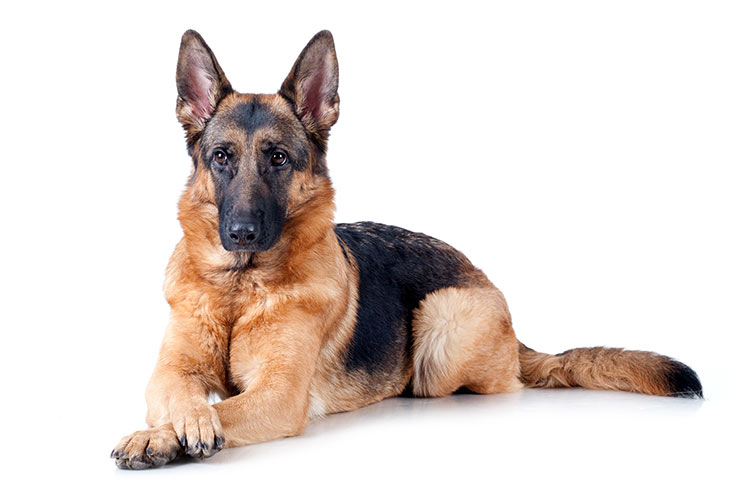
The German Shepherd is a breed of medium to large-sized working dog that originated in Germany, Intelligent as it is versatile, this breed was originally developed in Germany to guard and herd a shepherd’s flocks. It has a double coat, which is comprised of a thick undercoat and a dense, slightly wavy or straight outer coat. Its hair, usually tan and black, or red and black, is medium in length and is shed all year round. Other rarer color variations include all-Black, all-White, liver and blue. The German Shepherd’s body is long-generally between 22 and 26 inches-in proportion to its height. This gives the dog strength, agility, elasticity and long, elegant strides. Because this watchful, self-assured breed is nearly unmatched in intelligence, German Shepherds excel in high-pressure jobs that require next-level problem solving, like search and rescue or police work. These extremely confident dogs are also keen observers and thinkers who have an uncanny ability to make decisions and problem-solve on the fly. They’re lauded for their courage, which is another trait that makes them a versatile working companion. Though German Shepherds might seem aloof around strangers, they bond easily with their families and are incredibly loving companions. The German Shepherd has an average lifespan of between 10 to 12 years. It is, however, susceptible to some serious health conditions like: Perianal Fistula: which is a disorder most commonly seen in German Shepherds. The disease is characterized by draining openings on the skin around the anus. Affected dogs may strain to defecate, have diarrhea or bloody stool and lick at the anal area frequently Megaesophagus: (from the Greek Mega meaning large) is a condition in which the esophagus (the tube that carries food to the stomach when we swallow) becomes limp and is not able to normally pass the food on its way to be digested. The type of megaesophagus that we see in German Shepherds is a congenital problem that a recent study found to correlate to chromosome 12. Affected dogs often begin to show signs, vomiting and regurgitation when they are weaned to a solid diet. Hip Dysplasia: Most people by now know about hip dysplasia. The hip joint is a ball and socket joint and hip dysplasia causes malformation of the components leading to instability. There can be abnormalities in either the ball or the socket (or both) and the chronic laxity causes abnormal wear and leads to osteoarthritis. Degenerative Myelopathy : is a neurologic disease and is a recessive genetic disorder in the German Shepherd Dog. Affected dogs are usually middle-aged or older patients and this disorder are difficult to distinguish from other causes of spinal cord compromise like intervertebral disc disease found commonly in many types of dogs. This genetic cause of weakness and paraplegia can only be positively identified postmortem with a histological exam of spinal cord tissue. Exocrine Pancreatic Insufficiency (EPI): This disorder of the digestive system is potentially life-threatening (particularly in its acute form) but often responds well to treatment. It is more common in some breeds than others and is frequently seen in German Shepherd Dogs. Sources: https://www.petmd.com/dog/breeds/c_dg_german_shepherd https://iheartdogs.com/ask-a-vet-what-are-5-important-health-concerns-for-german-shepherd-dogs/ Photo credit: https://en.wikipedia.org/wiki/German_Shepherd https://www.akc.org/dog-breeds/german-shepherd-dog
Breed-related disease: Siberian cat
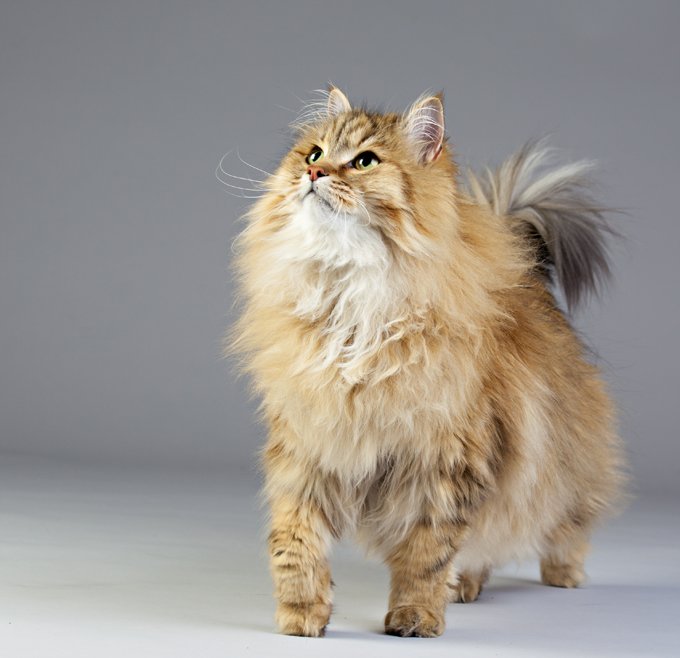
The Siberian is a centuries-old landrace (natural variety) of domestic cat in Russia, and recently developed as a formal breed with standards promulgated the world over since the late 1980s. As befits a cat from northern Russia, the Siberian wears a magnificent fur coat that not only protects him from the elements but also gives him a glamorous appearance that belies his gentle good nature. At first glance, the Siberian resembles the Maine Coon and the Norwegian Forest Cat, but he is differentiated by having a more rounded body and head. He also stands out for his large yellow-green eyes, tufted ears and neck ruff. The Siberian coat comes in many colors and patterns, but brown tabbies seem to be most popular. The Siberian cat is highly affectionate with family and playful when they want to be. However, their exercise needs aren’t overly demanding, and they’re just as happy to snuggle up with their humans as they are to chase a laser toy–maybe even happier. In Russia, the phrase Siberian health is associated with vitality, longevity, and ability to stay healthy despite the frigid climate of the Siberian region. This saying is very true when it comes to Siberian cats. Siberians tend to be sturdy, healthy and, while being purebred cats, do not present the owner with too many health issues. However, there are some health problems typical for cats in general, and for Siberians in particular. If you own a Siberian cat or kitten or are only planning to adopt one, it’s best to know ahead what types of health issues you may encounter, and how to help your cat overcome them. Hypertrophic Cardiomyopathy : This is a heart condition in which the walls of the heart are thicker than they should be. Instead of benefiting from a stronger heart, this condition makes it more difficult for the cat to pump blood to the rest of the body. Kidney Disease (PKD): It is a genetic mutation that leads to the development of benign cysts in the cat’s kidneys and other organs. It is a hereditary disease that’s fairly common for Siberian cats. Gum Disease: Many Cat Owners overlook the importance of dental hygiene in their furbabies, but with this breed, regular teeth brushing is crucial. Hereditary Cancer: Cancer is by far most common in the white Siberian Forest Cats, and can be linked to a specific pedigree lineage of “Gesha Olenya Krasa” and “Dolka Olenya Krasa”. Cats of this descent are known to have cancer-causing genes , known as oncogenes. However, as in most other animals with oncogenes, the presence of the gene doesn’t necessarily guarantee the presence of cancer, and other factors may help prevent its manifestation such as a healthy diet and regular checkups. Urinary Tract Disease: Also referred to as Urinary Crystals, the condition involves the formation of stone-like minerals, crystals and organic matter and reside in the cat’s urinary tract. This covers anything from kidney stones to blockages to infections of the kidney. Although it’s not completely known whether it’s completely hereditary, it’s very common in the Siberian Cat. Sources: http://www.vetstreet.com/cats/siberian https://www.siberiancatworld.com/siberian-cats-health-problems/ http://aubreyamc.com/feline/siberian/ https: //www.madpaws .com.au / blog / siberian-cat / Photo credit: https://cattime.com/cat-breeds/siberian-cats#/slide/1 https://cats.lovetoknow.com/Siberian_Cats
Bulldog Breed Diseases: Genetic Risks, Health Problems & Care Guide
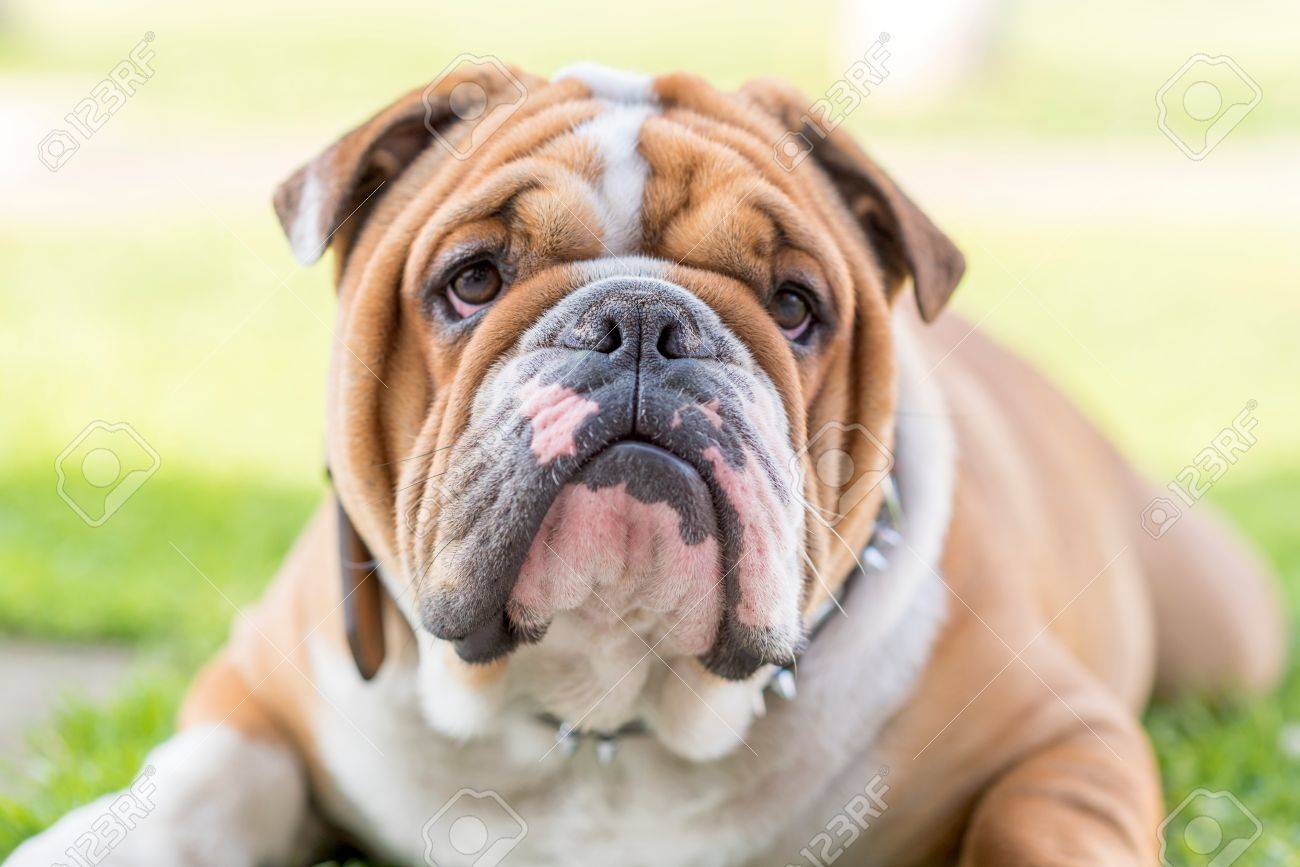
The Bulldog also known as the English bulldog is a medium-sized dog breed, descended from dogs originally used for blood sports in the 16th century, at that time, the bulldog was bred with the purpose of bull-baiting in mind, which required the animal to be both strong and tenacious with vicious fighting spirit. Today, however, the modern English bulldog is worlds apart from the fighting dog it was originally. The English bulldog we all know today has been selectively bred over a few hundred years to serve as a companion animal. Although to some the Bulldog can appear intimidating, the breed has developed a great reputation for gentle play with children and tolerance for other household pets. The bulldog is an iconic breed for its wide-set frame, muscular physic, and compact stubby legs. The body is stocky and dense and the head is large and wide. A hallmark of the breed is the folds of skin that form around the face and forehead of the animal, together with the drooping cheeks that extend from each eye. Their loyal and steadfast determination remains from their bull-baiting days, however, and good training from a young age, paired with firm and consistent discipline is a must when owning an English bulldog. They are predominantly housed bound pets and require a good walk at least once a day. Unfortunately, the Bulldog’s unique body and head structure make him prone to several health problems, here are some of the most common diseases related to the bulldogs: Brachycephalic Airway Syndrome _ Brachycephalic is Latin for smooched face, and every English bulldog has Brachycephalic Airway Syndrome (BAS) to some degree. BAS is common in animals that have shortened facial features that give them the pushed-in nose. According to the ACVS, bulldogs “have been bred to have relatively short muzzles and noses and, because of this, the throat and breathing passages in these dogs are frequently undersized or flattened.” Their noses are narrow, and the bones on their face are shorter, which causes an array of health risks: Breathing problems and panting chronic discomfort, Exercise intolerance, Difficulty eating. Difficulty breathing _ when looking at the root cause of health risks in bulldogs, upper airway defects caused by Brachycephalic Airway Syndrome wreak a lot of havoc. No one wants their pooch to struggle to take a breath, but unfortunately, breathing can be a big problem for bulldogs. Genetic abnormalities caused by selective breeding have a significant impact on your pup’s airways. Skin Problems _ sadly, the adorable folds bulldog owners know and love have a downside. Some English bulldog health problems symptoms include skin infections and irritation. A. Eczema, or “canine atopic dermatitis,” is the most common skin issue found in bulldogs. It causes itchy, dried-out skin that can turn into a scaly rash. Allergies, stress, and bug bites are the most common causes. B. Bacterial infections like staph, pyoderma, and dermatitis also can occur. These infections can either be surface level or go deeper underneath the skin. c. Hot spots, or “acute moist dermatitis,” are an allergic reaction to different skin irritants like bug bites and parasites and appear as round sores on the skin. English Bulldogs also can suffer from acne caused by dirty pores. d. Interdigital cysts are also common in bulldogs. Cysts form between the toes, swelling into large bumps. Treat cysts with a simple cleaning, but be careful not to overdo it. Excessive cleaning can worsen the condition. Thyroid and Heart Disease Health issues from selective breeding have also caused problems in the internal organs. Thyroid – Hyperthyroidism is when the thyroid slows down, which causes decreased production of thyroxine, the hormone responsible for regulating the metabolism. Heart – Pulmonary Stenosis which is a heart deformity most often found in English Bulldogs. According to UFAW, Pulmonary Stenosis is a “congenital narrowness or constriction of the outflow from the right side of the heart.” It blocks blood flow and can lead to heart failure or even death. You can catch this disease early with regular heart assessments at checkups. Cancer _ Bulldogs are especially susceptible to cancers like lymphoma and mast cell tumors. https://en.wikipedia.org/wiki/Bulldog https://journals.plos.org/plosone/article?id=10.1371/journal.pone.0217928 https://www.lucypetproducts.com/blog/10-common-english-bulldog-health-issues/ https://yourdogadvisor.com/bulldog-mix/ Photo credit: https://chantelbulldogs.com/product/english-bulldog-puppies-for-sale/ https://www.pinterest.com.au/pin/685110162039360718/ https://unsplash.com/s/photos/english-bulldog
Breed-related disease: Maine Coon
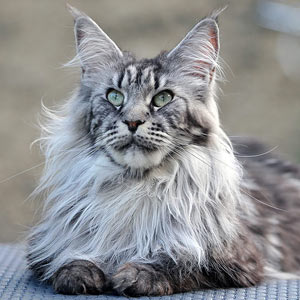
John K. Rosembert The Maine Coon is the largest domesticated cat breed, it has a distinctive physical appearance and valuable hunting skills, the Maine Coon is solid, rugged, and can endure a harsh climate. Maine Coons, like American Shorthairs, are considered native to America because they ‘ve been on this continent since the colonial days, and perhaps longer. How they got here in the first place and where their progenitors came from, however, is anyone’s guess, since no records of the Maine Coon’s exact origins and date of introduction to the America exist, so several competing hypotheses have been suggested, the most credible suggestion being that it is closely related to the Norwegian Forest cat and the Siberian. The Maine Coon is a big, rugged cat with a smooth, shaggy coat with a well-proportioned body that is muscular and broad-chested. It has substantial, medium-length legs and large, round paws, well tufted with fur, to serve as “snowshoes” during winter. A heavy coat is shorter on the shoulders, longer on the stomach and britches (long fur on the upper hind legs), with a ruff in front and a long, furry tail waving a greeting. A medium-width head is slightly longer than it is wide and has a squarish muzzle. Large, well-tufted ears are wide at the base, tapering to a point, and large, expressive eyes are green, gold, greenish-gold or copper. White or bi-colored Maine Coons may have blue or odd eyes. The friendly, laid back Maine Coon is a perfect choice for families with children and cat-friendly dogs. They love the attention they receive from children who treat them politely and with respect, and they don’t mind playing dress -up or going for a ride in a baby buggy. They’re happy to live with cat-friendly dogs, too, thanks to their amiable disposition. Introduce pets slowly and in controlled circumstances to ensure that they learn to get along together. While Maine coon cats are generally healthy, some inherit genetic diseases that can shorten life, cause pain or decrease mobility. Here listed below some of the most common Maine coon related diseases. 1. Hip Dysplasia: which Maine Coons and Persians are said to be more prone to, is the failure of the hip joints to develop correctly. This leads to a deteriorating hip joint and eventually a complete loss of function. Both Maine Coons and Persians are both ‘heavy boned’ cats. 2. Spinal Muscular Atrophy (SMA): This is a degenerative disorder affecting the spinal cord to the rear legs. An affected kitten will lose its trademark steadiness and cat like abilities. 3. Hypertrophic Cardiomyopathy (HCM): Hypertrophic Cardiomyopathy (HCM) is essentially a thickening of the heart tissue with scar tissue. It’s very tricky to diagnose, and is often called a ‘silent killer’. More middle aged and older Maine Coons are predisposed to it, whereby the heart becomes too muscular. This leads to a distortion within the heart muscle where the left ventricle becomes smaller, leading to abnormal heart rates. 4. Polycystic Kidney Disease (PKD): In a disease that is said to affect up to 6% of cats annually, you may well be in good company if you find your Maine Coon has this condition. PKD has a wide scope of disorder. Many Maine Coons can lead happy and fulfilling lives before succumbing to something else, whereas others, with a fatal level of PKD will succumb earlier to chronic renal failure. Sources: https://www.petfinder.com/cat-breeds/maine-coon/ https://www.harlingenveterinaryclinic.com/services/cats/breeds/maine-coon https://cattime.com/cat-breeds / maine-coon-cats # / slide / 1 https://mainecoonexpert.com/what-are-the-common-maine-coon-health-problems-full-guide/ Photo credit: https://catzinc.org/ breeders-list / maine-coon /
Breed-related disease: Pomeranian
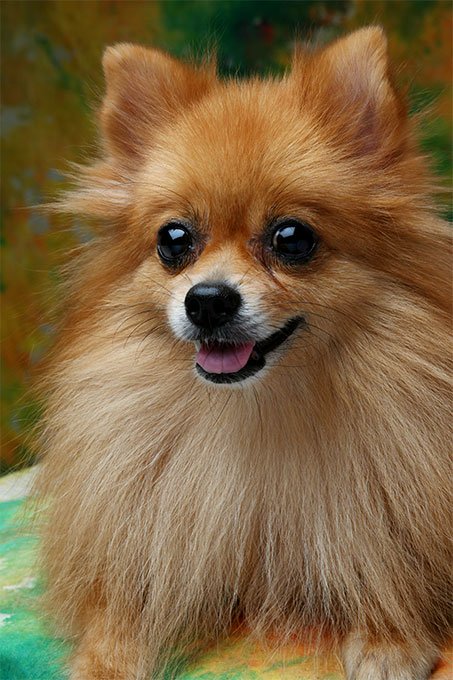
John K.Rosembert The Pomeranian (often known as a Pom) Although the Pomeranian (also called Zwergspitz, Dwarf Spitz, Loulou) is a breed of dog of the Spitz type that is named for the Pomerania region in north-west Poland and north-east Germany in Central Europe. They only weighs from three to seven pounds, The Pomeranian is the smallest member of the Spitz family of dogs, which includes the Samoyed, Alaskan malamute, and Norwegian elkhound, among others. Poms take their name from the province of Pomerania, in Germany. They became especially popular when Queen Victoria allowed some of her Pomeranians to be shown in a conformation show, the first Pomeranians ever to be shown. Cute, feisty and furry, Poms are intelligent and loyal to their families. Don’t let their cuteness fool you, however. These independent, bold dogs have minds of their own. They are alert and curious about the world around them. Unfortunately, in their minds, they are much larger than they really are, which can sometimes lead them to harass and even attack much larger dogs. Luckily, if they are properly socialized with other dogs and animals, they generally get along quite well with them. Here are some of the most common diseases related to the breed Pomeranian: 1. Luxating patellas _ (knees that slip out of place) are the most common problem in the Pomeranian breed. The knees are graded according to the OFA (Orthopedic Foundation for Animals). 2. Hypothyroidism _ (low thyroid) is very common in the Pomeranian breed. Health testing for a normal thyroid is an “optional” test recommended. 3. Collapsed Trachea Pomeranians who make honking noises or cough-like sounds (much like a cat regurgitating a hairball) may have collapsed tracheas. An x-ray can diagnose the issue. 4. Hair Loss _ this problem is often referred to as Black skin disease, BSD, or Alopecia X. An accurate diagnosis is often a very long, inconclusive and expensive exercise. Many Pomeranian skin conditions can be the cause of the problem, such as Hypothyroidism or low thyroid, Cushing’s disease, eczema, mites, fungus infections and allergies. 5. Hypoglycemia _ can occur in young Pomeranians, It is more common in the very small or very active puppies. Be sure that your breeder gives you complete instructions on how to determine if your puppy is starting to develop hypoglycemia. It is a problem that the puppy outgrows as they mature. Adult hypoglycemia is a serious metabolic disorder. Dogs who have this should not be bred. 6. Seizures or idiopathic epilepsy _ known as idiopathic because the cause is not known and epilepsy basically means repeat seizures. Seizures might happen as an onetime occurrence for numerous reasons, however, if the seizures are repetitive this is called epilepsy. Sources: https://dogtime.com/dog-breeds/pomeranian#/slide/1 https://www.dogzhealth.com/pomeranian-health-problems/ http://cdn.akc.org/Marketplace/Health-Statement/Pomeranian.pdf Photo credit: https://pixabay.com/photos/dog-pomeranian-cute-animal-canine-1113398/