
Table of Contents
1. Introduction: A Hybrid Breed with Distinct Clinical Implications
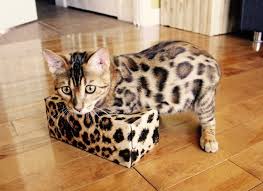 The Bengal cat is a domesticated breed developed through hybridization between domestic cats—most notably the Egyptian Mau and Abyssinian—and the Asian leopard cat (Prionailurus bengalensis). This lineage does not merely produce an exotic phenotype; it establishes a distinct physiological, behavioral, and clinical profile that directly influences how the breed should be managed in veterinary practice.
From a morphological standpoint, Bengals are long, muscular, and medium- to large-sized, with a broad head, pronounced whisker pads, high cheekbones, and wide, expressive eyes accentuated by characteristic periocular markings. Their physicality reflects what is often described as the “grace of a jungle cat”—a combination of stealth, agility, and explosive movement. However, in clinical terms, these traits are not superficial; they are indicative of heightened metabolic demand, neuromuscular activity, and behavioral intensity.
Behavioral Demands and Stress-Linked Clinical Expression
In practice, Bengal cats consistently demonstrate exceptionally high cognitive and physical requirements. Unlike typical domestic breeds, they require sustained environmental engagement—often 30 to 60 minutes of structured interactive activity daily, in addition to access to vertical climbing environments that accommodate their arboreal instincts.
Failure to meet these requirements is not benign. Chronic understimulation frequently manifests as stress-mediated pathological behaviors, including:
- Pica: Ingestion of non-nutritive materials, increasing the risk of gastrointestinal obstruction
- Psychogenic Alopecia: Excessive grooming resulting in alopecia and secondary dermatologic complications
- Inappropriate Elimination: Litter box aversion or urine marking driven by environmental or territorial stress
From a clinical perspective, these presentations are often misinterpreted as isolated behavioral issues, when in fact they represent environmental mismatch syndromes—a mismatch between innate behavioral programming and domestic living conditions.
Genetic and Systemic Disease Predispositions
Despite their robust appearance, Bengals carry a predictable set of inherited and breed-associated disorders, many of which remain subclinical until advanced stages:
- Hypertrophic Cardiomyopathy (HCM): A primary myocardial disorder characterized by left ventricular hypertrophy. It is a leading cause of morbidity and mortality, often progressing silently until complications such as congestive heart failure or Feline Aortic Thromboembolism (FATE) occur—manifesting as acute hind limb paralysis.
- Progressive Retinal Atrophy (PRA-b): A recessively inherited condition unique to the breed, resulting in early-onset photoreceptor degeneration and eventual blindness, frequently by two years of age.
- Pyruvate Kinase Deficiency (PK-Def): A metabolic disorder affecting erythrocyte survival, leading to intermittent hemolytic anemia, lethargy, and variable clinical severity.
- Flat-Chested Kitten Syndrome (FCKS): A developmental thoracic deformity observed in neonates, which may compromise cardiopulmonary function depending on severity.
These conditions underscore a critical principle: phenotypic vitality does not equate to genetic resilience.
Orthopedic Vulnerabilities in a High-Performance Breed
The Bengal’s athleticism—characterized by frequent jumping, climbing, and rapid directional movement—places sustained mechanical stress on joints. Clinically, this correlates with an increased incidence of:
- Patellar Luxation
- Hip Dysplasia
While these conditions may initially be subclinical, progressive joint instability leads to chronic inflammation, cartilage degradation, and osteoarthritis, particularly in aging individuals. Early detection and weight management are therefore essential components of long-term care.
Anesthetic and Pharmacological Sensitivities
From a pharmacological standpoint, Bengals require heightened caution in anesthetic protocols. Clinical reports and practitioner experience indicate increased sensitivity to certain agents, particularly ketamine.
Adverse responses may include:
- Dysphoric or prolonged recovery
- Neuromuscular hyperactivity
- Hyperthermia
- Cardiovascular instability
This sensitivity is hypothesized to be linked to variations in hepatic Cytochrome P450 enzyme activity, affecting drug metabolism and clearance. Consequently, individualized anesthetic planning and vigilant perioperative monitoring are strongly advised.
Nutritional Considerations and Metabolic Demand
The Bengal’s high lean muscle mass and activity level translate into elevated metabolic requirements compared to typical indoor cats. Optimal nutritional strategies include:
- High-protein diets (approximately 45–55% dry matter)
- Moderate-to-high fat content to sustain energy expenditure
- Supplementation with:
- Omega-3 fatty acids (anti-inflammatory support)
- Glucosamine and chondroitin (joint health)
Inadequate nutritional alignment may exacerbate both musculoskeletal strain and systemic health vulnerabilities.
Clinical Framing
Collectively, these factors position the Bengal cat not simply as a visually distinctive breed, but as a high-performance companion animal with specialized medical and environmental requirements.
In clinical practice, the Bengal should be approached not as a standard domestic cat, but as a genetically and behaviorally distinct population requiring proactive, precision-based care strategies.
2. Coat, Phenotype, and Selective Breeding Pressure
The Bengal’s defining visual identity—its sharply contrasted spotted (rosetted) or marbled coat—represents one of the most intensively selected phenotypes in companion animal breeding. Achieving this “wild-type” aesthetic while preserving a manageable domestic temperament has required sustained, high-pressure selective breeding within a relatively narrow genetic pool.
From a clinical genetics perspective, this process provides a clear illustration of how phenotypic refinement can reshape population-level health risk.
2.1 The Genetics Behind the Bengal Phenotype
Contrary to common perception, the Bengal’s exotic coat is not solely derived from its wild ancestor. Recent genetic analyses indicate that:
- Many defining coat traits originate from domestic cat gene variants, which were selectively amplified
- Wild Asian leopard cat DNA contributes to pattern framework, but not all visible traits
Notable examples include:
- “Glitter” phenotype:
A highly prized trait producing a soft, iridescent sheen. This is associated with mutations in the Fgfr2 gene, originating from domestic cat lineages rather than the wild progenitor. - “Charcoal” pattern:
A darker, high-contrast phenotype resulting from genomic interaction (incompatibility) between the leopard cat’s Asip gene and domestic alleles—highlighting the complex interplay between hybrid genomes.
Clinical interpretation:
These traits are not biologically neutral. They are the result of targeted allele fixation, often achieved at the expense of broader genetic variability.
2.2 The Clinical Cost: Amplification of Inherited Disease
The same selective pressure that stabilizes desirable coat traits also increases the probability of co-inheriting deleterious mutations, particularly within a restricted breeding population.
This manifests most clearly in autosomal recessive and heritable conditions, where asymptomatic carriers propagate disease alleles across generations.
Autosomal Recessive Disorders
- Progressive Retinal Atrophy (PRA-b):
A breed-specific, recessively inherited condition leading to early-onset blindness. Large-scale screening studies have demonstrated carrier rates of approximately 18% in European Bengal populations, underscoring the risk of silent transmission in the absence of DNA testing. - Pyruvate Kinase Deficiency (PK-Def):
A metabolic disorder affecting erythrocyte survival, resulting in intermittent hemolytic anemia. This mutation is believed to have been introduced through early outcrossing with breeds such as the Abyssinian and Egyptian Mau.
Key point:
In both cases, visually “ideal” individuals may be genetically compromised, reinforcing the need for mandatory genotypic screening rather than phenotypic selection alone.
Hypertrophic Cardiomyopathy (HCM)
While the precise genetic determinants of HCM in Bengals remain under investigation, its heritable nature and clinical impact are well established.
- Estimated prevalence: ~17% in Bengal populations
- Disease progression: Often subclinical for extended periods
- Clinical outcomes:
- Congestive heart failure
- Thromboembolism (e.g., FATE)
Clinical implication:
Early breeding programs likely propagated this condition unintentionally, as affected cats may appear clinically normal for years. Consequently, routine echocardiographic screening has become a cornerstone of responsible breeding protocols.
Breed-Specific Dermatological Conditions
Selective breeding pressures have also contributed to less widely recognized, but clinically relevant, conditions such as:
- Ulcerative Nasal Dermatitis (Bengal-specific):
Characterized by:- Crusting and fissuring of the rhinarium
- Hyperkeratosis
- Potential secondary infections
Although less life-threatening than cardiac or hematologic disorders, these conditions can significantly impact quality of life and require long-term dermatologic management.
2.3 Clinical Perspective: The Cost of Aesthetic Selection
The Bengal cat represents a well-documented example of the biological trade-offs inherent in selective breeding for extreme phenotype expression.
Key consequences include:
- Reduced genetic diversity
- Increased prevalence of recessive mutations
- Propagation of late-onset hereditary diseases
From a veterinary and pharmaceutical standpoint, this necessitates a shift toward:
- Proactive genetic screening (PRA-b, PK-Def)
- Routine cardiac monitoring (HCM)
- Longitudinal health tracking in breeding populations
Clinical Framing
The Bengal’s coat is not merely decorative—it is the visible endpoint of intensive genetic selection.
In clinical practice, it serves as a reminder that aesthetic optimization often carries measurable biological cost.
3. Behavioral and Physiological Profile: Clinical Relevance
The Bengal cat’s hybrid lineage necessitates a fundamental shift in clinical approach. Unlike conventional domestic breeds, Bengals retain strong elements of the Asian leopard cat’s behavioral architecture—including a high predatory drive, arboreal tendencies, and advanced cognitive capacity.
Accordingly, environmental enrichment must be prescribed as a medical necessity rather than a behavioral luxury.
From a clinical standpoint, failure to meet these intrinsic needs is not merely suboptimal—it is a primary driver of both behavioral pathology and systemic health risk.
3.1 Stress-Related Disease and Behavioral Pathology
Bengals exhibit significantly elevated cognitive and physical demands, typically requiring 30–60 minutes of structured, interactive activity daily. When these needs are unmet, chronic understimulation frequently progresses into stress-mediated clinical disorders.
Observed manifestations include:
- Pica: Compulsive ingestion of non-food materials
- Affects up to ~16% of understimulated high-energy cats
- Carries substantial risk of gastrointestinal obstruction
- Psychogenic Alopecia:
- Excessive grooming leading to hair loss and secondary skin complications
- Inappropriate Elimination:
- Urine spraying or litter box avoidance driven by anxiety or environmental dissatisfaction
- Aggression:
- Behavioral data suggests ~33% of aggression cases in Bengals are linked to understimulation
Clinical interpretation:
These conditions should be approached as stress-induced pathophysiological responses, rather than isolated behavioral abnormalities. Addressing the underlying environmental deficit is essential for resolution.
3.2 Orthopedic Strain and Injury Risk
The Bengal’s exceptional athleticism—capable of vertical leaps approaching 2 meters (≈7 feet)—results in repetitive mechanical loading of joints.
This biomechanical demand amplifies the clinical impact of pre-existing predispositions, including:
- Hip dysplasia
- Patellar luxation
Consequences include:
- Accelerated cartilage wear
- Chronic inflammation
- Early-onset osteoarthritis
Management strategies:
- Provision of stable, vertical structures (floor-to-ceiling cat trees, wall-mounted systems)
- Maintenance of lean body condition
- Nutritional support:
- Omega-3 fatty acids
- Glucosamine and chondroitin
From a preventive medicine perspective, these measures are not adjunctive—they are core components of musculoskeletal preservation.
3.3 Territorial Aggression and Multi-Cat Environmental Stress
Despite their strong human bonding, Bengals retain territorial instincts, particularly toward other felines. In multi-cat households, insufficient environmental structuring can precipitate:
- Inter-cat aggression
- Resource guarding
- Stress-induced elimination behaviors
A critical management principle is the “N + 1” resource rule:
- One more litter box, feeding station, and resting area than the number of cats
Additionally:
- Resources should be distributed across multiple locations
- Vertical space must be incorporated to allow:
- Escape routes
- Hierarchical separation
Clinical observation:
Environmental inadequacy in multi-cat Bengal households is a frequent, yet preventable, driver of chronic stress and behavioral pathology.
3.4 Owner Compliance and Separation-Related Distress
Bengals form unusually strong attachments to their owners and demonstrate a high dependency on interaction.
Clinical and behavioral data suggest that up to ~40% of Bengals exhibit separation-related distress, characterized by:
- Excessive vocalization
- Destructive behavior
- Agitation during owner absence
This behavioral intensity presents a significant challenge for owner compliance and is a known contributor to increased relinquishment risk in this breed.
3.5 Preventive Behavioral Medicine: Practical Strategies
Effective management requires reframing behavioral care as preventive medicine. Recommended interventions include:
- Structured daily routines to reduce unpredictability
- Puzzle feeders and foraging enrichment to simulate hunting behavior
- Interactive play sessions (minimum 30–60 minutes daily)
- Cognitive engagement tools, such as clicker training
These interventions serve to:
- Reduce stress hormone activation
- Prevent maladaptive behaviors
- Improve overall physiological stability
Clinical Framing
In Bengal cats, behavioral health and physical health are inseparable.
Environmental inadequacy is not a minor welfare issue—it is a primary etiological factor in disease development.
4. Genetic Architecture and Breeding Constraints
The Bengal cat’s genetic profile is shaped by two converging forces: hybrid origin and intensive selective breeding. Together, these have produced a population characterized by genetic bottlenecks, allele amplification, and uneven global health governance.
From a veterinary perspective, this places preventive genetics—not treatment—at the center of clinical management.
4.1 Genetic Bottlenecks and Allelic Amplification
The Bengal breed was established using a limited number of Asian leopard cats crossed with a small pool of domestic breeds, including the Egyptian Mau and Abyssinian. To stabilize desirable traits—such as rosetted patterns, marbling, and muscular conformation—breeders relied heavily on line breeding (controlled inbreeding).
While effective for phenotype standardization, this approach has predictable biological consequences:
- Reduced genetic diversity
- Increased homozygosity of recessive alleles
- Propagation of both recessive and dominant disease traits
As a result, Bengals exhibit a disproportionately elevated risk of inherited disorders compared to the general feline population.
4.2 Fragmented Global Enforcement of Genetic Screening
Although certain registries and breed organizations have implemented health requirements, global enforcement remains inconsistent and largely voluntary.
For example:
- Some organizations (e.g., regional registries) mandate PRA-b testing in at least one parent prior to litter registration
- However, many systems rely on self-reported compliance, with no standardized international framework
Clinical implication:
The burden of due diligence shifts from breeder oversight to owner verification, increasing the risk of unknowingly acquiring genetically compromised animals.
4.3 Practical Intervention: Verifiable Genetic Screening
From a preventive medicine standpoint, documentation—not verbal assurance—is essential. Prospective owners must request and verify objective test results for breeding pairs.
DNA Testing for Autosomal Recessive Disorders
Key conditions:
- Bengal Progressive Retinal Atrophy (PRA-b)
- Pyruvate Kinase Deficiency (PK-Def)
Both follow an autosomal recessive inheritance pattern, meaning:
- Disease manifests only if the offspring inherits two mutated alleles
- Carriers (heterozygous) remain clinically normal but propagate the mutation
Minimum acceptable standard:
- At least one parent must be N/N (genetically clear)
- This ensures offspring cannot be affected (though carriers may still occur)
Clinical relevance:
Given that PRA-b carrier prevalence approaches ~18% in European Bengal populations, absence of testing significantly increases disease risk.
Cardiac Screening for Hypertrophic Cardiomyopathy (HCM)
Unlike PRA-b and PK-Def, no reliable DNA test currently exists for HCM in Bengals. The disease demonstrates:
- Variable expression
- Late onset
- Potential for asymptomatic carriers during breeding years
Therefore, screening relies on imaging rather than genetics:
- Echocardiography performed by a board-certified veterinary cardiologist
- Conducted annually or biannually in breeding cats
Key consideration:
A single normal scan does not eliminate risk; longitudinal monitoring is required.
4.4 Practical Intervention: Health Guarantees as Legal Safeguards
While genetic testing addresses biological risk, health guarantees provide legal accountability.
However, it is critical to emphasize:
A health guarantee should never substitute for proper genetic screening.
A reputable breeder contract typically includes:
Short-Term Coverage (Environmental/Infectious)
- Duration: Several days post-adoption
- Covers:
- Parasites
- FeLV/FIV
- Upper respiratory infections
Long-Term Coverage (Genetic/Congenital)
- Duration: Typically 2–3 years
- Covers:
- HCM
- PRA-b
- PK-Def
If a covered condition is diagnosed within the guarantee period:
- Replacement of the animal is typically offered
- Monetary compensation is less common
Clinical perspective:
While such guarantees cannot mitigate emotional impact, they serve to:
- Enforce breeder responsibility
Discourage unethical breeding practices
4.5 Clinical Perspective: Prevention as the Primary Intervention
The Bengal cat exemplifies a category of patients in which genetic risk is both predictable and actionable.
Accordingly, the most effective intervention occurs before acquisition, through:
- Verified genetic screening (DNA-based and imaging-based)
- Transparent breeder documentation
- Informed owner decision-making
Clinical Framing
In Bengal cats, genetics is not a background variable—it is the primary determinant of long-term health trajectory.
Consequently, preventive screening at the breeding level remains the single most effective tool for reducing disease burden in this population.
5. Major Breed-Associated Diseases
Below is a structured overview integrating both classical Bengal-associated diseases and clinically observed risks. As previously outlined, these conditions are not incidental—they reflect the genetic architecture and functional demands of the breed. Early recognition and targeted screening remain the cornerstone of effective management.
5.1 Hypertrophic Cardiomyopathy (HCM)
Hypertrophic cardiomyopathy is the most significant cardiac disorder in Bengal cats, with an estimated prevalence of approximately 16–17% within the breed.
It is characterized by progressive hypertrophy of the left ventricular wall, leading to reduced chamber volume and impaired cardiac output.
Clinical consequences:
- Decreased cardiac efficiency
- Left atrial enlargement and blood stasis
- Increased risk of Feline Aortic Thromboembolism (FATE)
- Acute hind limb paralysis
- Cold extremities and absent pulses
- Progression to congestive heart failure and mortality
Clinical insight:
HCM is frequently silent. Notably, over 50% of cats with subclinical HCM may succumb to cardiovascular disease before clinical signs become evident, emphasizing the necessity of routine screening.
Therapeutic advancement:
Recent developments include the conditional FDA approval of sirolimus delayed-release formulations (e.g., Felycin-CA1), representing the first disease-modifying approach shown to delay myocardial hypertrophy progression.
5.2 Joint Disorders: Patellar Luxation
Patellar luxation involves displacement of the kneecap from the trochlear groove, resulting in joint instability.
Clinical progression:
- Early stages: intermittent limping or “skipping” gait
- Advanced stages:
- Persistent lameness
- Joint degeneration
Clinical insight:
Chronic instability leads to cartilage wear, inflammation, and osteoarthritis. Strict weight control is a critical intervention, as excess body mass significantly exacerbates joint stress. Severe cases may require surgical correction.
5.3 Hip Dysplasia
Hip dysplasia is an inheritable malformation of the coxofemoral joint, resulting in laxity and progressive degeneration.
Clinical indicators:
- Reduced mobility
- Pain during movement
- Early-onset lameness (sometimes as early as 6 months of age)
Clinical insight:
Given the Bengal’s high activity level, joint instability can significantly impair quality of life. Diagnosis requires pelvic radiography under sedation or anesthesia to ensure accurate positioning and minimize discomfort.
5.4 Pyruvate Kinase Deficiency (PK-Deficiency)
PK-deficiency is an autosomal recessive metabolic disorder affecting erythrocyte energy metabolism.
Pathophysiology:
- Reduced pyruvate kinase activity
- Decreased red blood cell lifespan
- Intermittent hemolytic anemia
Clinical signs:
- Lethargy
- Pale mucous membranes
- Jaundice (icterus)
- Weight loss
- Abdominal enlargement
Clinical insight:
The disease exhibits variable onset and severity. Because it is recessively inherited, DNA screening of breeding pairs is essential to prevent affected offspring.
5.5 Progressive Retinal Atrophy (PRA-b)
Bengal PRA (PRA-b) is a breed-specific autosomal recessive disorder leading to early and rapid retinal degeneration.
Disease course:
- Onset: typically 8–20 weeks of age
- Progression: rapid deterioration
- Outcome: complete blindness by approximately 1 year of age
Clinical signs:
- Dilated pupils under bright light
- Increased tapetal reflectivity
- Progressive visual impairment
Clinical insight:
Cats often compensate behaviorally, delaying detection. Given a carrier prevalence of ~18% in some populations, routine genetic screening is imperative.
5.6 Anesthetic Sensitivity
Bengals demonstrate heightened sensitivity to certain anesthetic agents, particularly ketamine.
Clinical risks:
- Dysphoric recovery
- Hyperthermia
- Muscle tremors and hypertonicity
- Respiratory depression
- Cardiac arrest
Mechanistic insight:
This sensitivity is likely linked to deficiencies in hepatic Cytochrome P450 metabolic pathways, resulting in delayed drug clearance.
Veterinary recommendation:
- Avoid high-risk anesthetic protocols
- Implement individualized anesthetic planning
Ensure intensive perioperative monitoring
5.7 Gastrointestinal Sensitivity and Chronic Enteropathy
Bengals are frequently affected by chronic gastrointestinal disturbances, including:
- Food intolerance
- Inflammatory bowel disease (IBD)
Clinical presentation:
- Chronic diarrhea
- Vomiting
- Weight instability
Clinical insight:
Chronic intestinal inflammation is clinically significant, as it may predispose to feline lymphoma over time.
Additionally, clinicians must rule out Tritrichomonas foetus (TF) infection:
- A protozoal parasite causing persistent, foul-smelling diarrhea
- Particularly prevalent in young pedigree cats, including Bengals
- Frequently misdiagnosed without PCR-based fecal testing
Clinical Synthesis
The Bengal cat’s disease profile reflects a convergence of:
- Cardiac vulnerability (HCM)
- Orthopedic instability (hip dysplasia, patellar luxation)
- Inherited metabolic and sensory disorders (PK-Def, PRA-b)
- Pharmacological sensitivities
- Chronic gastrointestinal susceptibility
Clinical Framing
In Bengal cats, disease risk is not random—it is structurally embedded within the breed’s genetic and functional design.
Consequently, anticipatory screening and individualized clinical management are essential to mitigating long-term morbidity and mortality.
6. Disease Risk: Expanded Clinical Summary Table
Condition | Clinical Depth & Pathophysiology | Key Clinical Risks | Diagnostic Strategy | Enhanced Prevention / Management |
Hypertrophic Cardiomyopathy (HCM) | Progressive hypertrophy of the left ventricular myocardium → impaired diastolic filling and reduced cardiac output. Often subclinical until late-stage disease. | Congestive heart failure; Feline Aortic Thromboembolism (FATE) causing acute hind-limb paralysis; sudden death. | Echocardiography (annual/biannual) by board-certified cardiologist; monitoring of left atrial size and wall thickness. | Routine cardiac screening; early detection. Use of sirolimus (Felycin-CA1) in subclinical cases to delay hypertrophy progression. |
Luxating Patella | Malalignment of extensor mechanism due to shallow trochlear groove → patellar displacement (commonly medial). Leads to chronic joint instability. | Intermittent lameness; abnormal gait; progression to osteoarthritis. | Orthopedic examination; grading of luxation severity; radiographs if needed. | Strict weight management; controlled activity; surgical correction in severe cases. |
Hip Dysplasia | Inheritable malformation of coxofemoral joint → joint laxity, abnormal biomechanics, and progressive cartilage degeneration. | Early-onset lameness (as early as 6 months); chronic pain; osteoarthritis. | Pelvic radiographs under sedation/anesthesia for accurate positioning and assessment. | Breeding control; weight management; joint supplementation (omega-3, glucosamine, chondroitin); analgesic protocols if needed. |
Pyruvate Kinase (PK) Deficiency | Autosomal recessive enzymatic defect → impaired glycolysis in erythrocytes → shortened RBC lifespan and hemolytic anemia. | Lethargy; pallor; jaundice (icterus); weight loss; abdominal enlargement; episodic crises. | DNA testing (PCR) for carrier/affected status; hematology for anemia evaluation. | Mandatory genetic screening; avoid carrier-to-carrier breeding; supportive care during crises. |
Progressive Retinal Atrophy (PRA-b) | Autosomal recessive degeneration of rods and cones → early-onset retinal failure. | Night blindness progressing to complete blindness (often by 1–2 years). | Genetic DNA testing; ophthalmic exam (fundoscopy showing tapetal hyperreflectivity, dilated pupils). | Mandatory DNA screening; elimination of carriers from breeding programs. |
Anesthetic Sensitivity | Impaired hepatic metabolism (Cytochrome P450 pathway) → delayed clearance of certain drugs, especially ketamine. | Dysphoria; hyperthermia; tremors; hypertonicity; respiratory or cardiac arrest. | Pre-anesthetic evaluation; review of prior anesthetic history. | Avoid ketamine; use isoflurane or sevoflurane; individualized anesthetic protocols; intensive monitoring. |
Chronic Enteropathy / GI Sensitivity | Multifactorial (immune + genetic); chronic intestinal inflammation. May overlap with infectious etiologies. | Chronic diarrhea; vomiting; weight instability; risk of progression to intestinal lymphoma. | Dietary trials; bloodwork; imaging; PCR fecal testing for Tritrichomonas foetus in young cats. | Diet modification (novel/hydrolyzed protein); rule out TF infection early; long-term monitoring and anti-inflammatory management. |
Clinical Interpretation
This expanded framework highlights a critical pattern in Bengal medicine:
- High prevalence of genetic and structural disease
- Frequent subclinical progression (HCM, PRA-b)
- Strong dependence on early diagnostic intervention rather than symptomatic treatment
Notably, several conditions (PRA-b, PK-deficiency) are fully preventable at the population level, while others (HCM, orthopedic disease) require lifelong surveillance and management.
Clinical Framing
The Bengal cat represents a model case in modern veterinary medicine where genetics, behavior, and biomechanics converge.
Effective care therefore depends not on reactive treatment, but on structured screening, early detection, and precision management protocols.
7. Preventive Strategy: From Acquisition to Lifelong Care
As highlighted, many Bengal-associated conditions are predictable rather than random. Consequently, the most effective clinical approach is not reactive treatment, but the implementation of a structured, lifelong preventive care strategy—beginning prior to acquisition and continuing through daily management and routine veterinary oversight.
7.1 Acquisition: Breeder Selection and Early Genetic Control
The foundation of long-term health in Bengal cats is established at the point of acquisition.
- Mandatory DNA Screening:
Prospective owners must request documented genetic testing results for both parents, specifically for:- Pyruvate Kinase Deficiency (PK-Def)
- Progressive Retinal Atrophy (PRA-b)
Given the autosomal recessive inheritance pattern, ensuring at least one parent is N/N (clear) effectively prevents affected offspring.
- Health Guarantees:
A reputable breeder should provide a 2–3 year genetic health guarantee, covering hereditary conditions such as HCM, PRA-b, and PK-Def. - Infectious Disease Screening:
Kittens should be verified free of:- Tritrichomonas foetus
- Giardia
- Coccidia
along with a documented veterinary wellness examination prior to sale.
7.2 Routine Cardiac Screening for HCM
Hypertrophic cardiomyopathy remains the most critical health risk in the breed due to its silent progression.
- Echocardiographic Monitoring:
- Initiate screening at ~1 year of age
- Repeat annually or bi-annually
- Performed by a veterinary cardiologist
- Clinical Intervention:
Early detection enables:- Use of sirolimus (Felycin-CA1) to delay disease progression
- Implementation of thromboprophylaxis (e.g., clopidogrel ± rivaroxaban) in high-risk cases
Clinical importance:
More than half of subclinical cases may progress to fatal outcomes without prior signs—making screening indispensable.
7.3 Environmental Enrichment as Preventive Medicine
For Bengals, environmental management is a core medical intervention, not a lifestyle preference.
- Behavioral Risk Reduction:
- Understimulation contributes to ~33% of aggression cases
- Up to 16% of high-energy cats may develop pica, increasing risk of intestinal obstruction
- Minimum Requirements:
- 30–60 minutes of interactive play daily
- Access to vertical climbing structures (cat trees, wall systems)
- Cognitive Enrichment:
- Puzzle feeders
- Clicker training
- Structured routines
These measures are essential for maintaining neurobehavioral stability and reducing stress-mediated disease expression.
7.4 Controlled Nutrition and Orthopedic Monitoring
The Bengal’s high muscle mass and athletic behavior impose significant mechanical demands on the musculoskeletal system.
- Early Orthopedic Screening:
- Perform pelvic and stifle radiographs during spay/neuter (≈3–6 months)
- Enables early detection of hip dysplasia and patellar luxation
- Nutritional Strategy:
- High protein: 45–55% (dry matter)
- Moderate-to-high fat: 15–20%
- Weight Management:
Maintaining a lean body condition is critical, as excess weight significantly accelerates:- Joint degeneration
- Onset of osteoarthritis
- Supplementation:
- Omega-3 fatty acids
- Glucosamine and chondroitin
These interventions support both joint integrity and systemic health.
7.5 Regular Veterinary Monitoring and Pharmacological Considerations
Long-term management must include breed-specific pharmacological awareness.
- Anesthetic Protocol Adjustments:
Bengals demonstrate increased sensitivity to certain agents, particularly ketamine, likely due to altered Cytochrome P450 metabolism. - Clinical risks include:
- Dysphoric recovery
- Hyperthermia
- Neuromuscular instability
- Cardiac complications
- Preventive approach:
- Avoid high-risk anesthetics
- Utilize safer alternatives (e.g., inhalant anesthetics such as isoflurane or sevoflurane)
- Ensure close perioperative monitoring
Clinical implication:
Pharmacological planning is not optional—it is a necessary component of safe veterinary care in this breed.
Clinical Synthesis
A comprehensive preventive strategy for Bengal cats integrates:
- Genetic control at acquisition
- Routine cardiac surveillance
- Behavioral and environmental management
- Nutritional and orthopedic optimization
- Pharmacological caution
Clinical Framing
In Bengal cats, prevention begins before ownership and continues as a structured, lifelong protocol.
When properly implemented, these strategies transform a high-risk genetic profile into a manageable and predictable clinical trajectory.
7. Preventive Strategy: From Acquisition to Lifelong Care
As highlighted, many Bengal-associated conditions are predictable rather than random. Consequently, the most effective clinical approach is not reactive treatment, but the implementation of a structured, lifelong preventive care strategy—beginning prior to acquisition and continuing through daily management and routine veterinary oversight.
7.1 Acquisition: Breeder Selection and Early Genetic Control
The foundation of long-term health in Bengal cats is established at the point of acquisition.
- Mandatory DNA Screening:
Prospective owners must request documented genetic testing results for both parents, specifically for:- Pyruvate Kinase Deficiency (PK-Def)
- Progressive Retinal Atrophy (PRA-b)
Given the autosomal recessive inheritance pattern, ensuring at least one parent is N/N (clear) effectively prevents affected offspring.
- Health Guarantees:
A reputable breeder should provide a 2–3 year genetic health guarantee, covering hereditary conditions such as HCM, PRA-b, and PK-Def. - Infectious Disease Screening:
Kittens should be verified free of:- Tritrichomonas foetus
- Giardia
- Coccidia
along with a documented veterinary wellness examination prior to sale.
7.2 Routine Cardiac Screening for HCM
Hypertrophic cardiomyopathy remains the most critical health risk in the breed due to its silent progression.
- Echocardiographic Monitoring:
- Initiate screening at ~1 year of age
- Repeat annually or bi-annually
- Performed by a veterinary cardiologist
- Clinical Intervention:
Early detection enables:- Use of sirolimus (Felycin-CA1) to delay disease progression
- Implementation of thromboprophylaxis (e.g., clopidogrel ± rivaroxaban) in high-risk cases
Clinical importance:
More than half of subclinical cases may progress to fatal outcomes without prior signs—making screening indispensable.
7.3 Environmental Enrichment as Preventive Medicine
For Bengals, environmental management is a core medical intervention, not a lifestyle preference.
- Behavioral Risk Reduction:
- Understimulation contributes to ~33% of aggression cases
- Up to 16% of high-energy cats may develop pica, increasing risk of intestinal obstruction
- Minimum Requirements:
- 30–60 minutes of interactive play daily
- Access to vertical climbing structures (cat trees, wall systems)
- Cognitive Enrichment:
- Puzzle feeders
- Clicker training
- Structured routines
These measures are essential for maintaining neurobehavioral stability and reducing stress-mediated disease expression.
7.4 Controlled Nutrition and Orthopedic Monitoring
The Bengal’s high muscle mass and athletic behavior impose significant mechanical demands on the musculoskeletal system.
- Early Orthopedic Screening:
- Perform pelvic and stifle radiographs during spay/neuter (≈3–6 months)
- Enables early detection of hip dysplasia and patellar luxation
- Nutritional Strategy:
- High protein: 45–55% (dry matter)
- Moderate-to-high fat: 15–20%
- Weight Management:
Maintaining a lean body condition is critical, as excess weight significantly accelerates:- Joint degeneration
- Onset of osteoarthritis
- Supplementation:
- Omega-3 fatty acids
- Glucosamine and chondroitin
These interventions support both joint integrity and systemic health.
7.5 Regular Veterinary Monitoring and Pharmacological Considerations
Long-term management must include breed-specific pharmacological awareness.
- Anesthetic Protocol Adjustments:
Bengals demonstrate increased sensitivity to certain agents, particularly ketamine, likely due to altered Cytochrome P450 metabolism. - Clinical risks include:
- Dysphoric recovery
- Hyperthermia
- Neuromuscular instability
- Cardiac complications
- Preventive approach:
- Avoid high-risk anesthetics
- Utilize safer alternatives (e.g., inhalant anesthetics such as isoflurane or sevoflurane)
- Ensure close perioperative monitoring
Clinical implication:
Pharmacological planning is not optional—it is a necessary component of safe veterinary care in this breed.
Clinical Synthesis
A comprehensive preventive strategy for Bengal cats integrates:
- Genetic control at acquisition
- Routine cardiac surveillance
- Behavioral and environmental management
- Nutritional and orthopedic optimization
- Pharmacological caution
Clinical Framing
In Bengal cats, prevention begins before ownership and continues as a structured, lifelong protocol.
When properly implemented, these strategies transform a high-risk genetic profile into a manageable and predictable clinical trajectory.
8. Practical Owner Advisory: From Pre-Acquisition to Early Detection
This final section serves as a critical interface between veterinary knowledge and owner action. In feline medicine—particularly with high-risk breeds such as the Bengal—client education is itself a life-saving intervention.
Cats are evolutionarily adapted to mask pain and illness. As a result, delayed recognition of disease remains one of the most significant contributors to poor clinical outcomes. Accordingly, veterinarians must guide owners not only in acquisition decisions, but also in structured at-home monitoring and early detection.
8.1 Pre-Acquisition Counseling: Verifying Breeder Transparency
The first and most impactful preventive step occurs before the animal is acquired. Veterinary professionals should strongly advise prospective owners to demand full transparency from breeders.
- Verification of Genetic Testing:
Buyers must request documented DNA test results for:- Pyruvate Kinase Deficiency (PK-Def)
- Progressive Retinal Atrophy (PRA-b)
Given their autosomal recessive inheritance:
- At least one parent must be N/N (clear)
- This ensures offspring cannot be clinically affected
- Cardiac Screening Requirements:
As no reliable genetic test exists for Hypertrophic Cardiomyopathy (HCM):- Buyers must request proof of recent echocardiograms
- Performed by a board-certified veterinary cardiologist
- Ideally conducted on a routine (annual/biannual) basis
- Health Guarantees:
A reputable breeder should provide a written agreement including:- A 2–3 year guarantee covering genetic and congenital conditions
Clinical clarification:
A health guarantee provides legal protection, but must never be considered a substitute for verified genetic and cardiac screening.
8.2 Post-Acquisition Monitoring: Recognizing Subclinical Disease
Once the Bengal enters the home environment, the owner becomes the primary observational interface for early disease detection.
Because Bengals are naturally highly active, even subtle behavioral or physiological changes may indicate underlying pathology.
Key early warning signs include:
- Reduced Activity (Lethargy):
- May indicate PK-deficiency–related anemia
- When combined with panting, may signal cardiac compromise (HCM progression)
- Gait Abnormalities:
- Intermittent limping or “skipping”
- Reluctance to jump
- “Bunny hopping” gait
These are hallmark indicators of:
- Patellar luxation
- Hip dysplasia
Critical emergency sign:
Sudden hind-limb paralysis accompanied by pain and cold extremities indicates Feline Aortic Thromboembolism (FATE)—a life-threatening complication of advanced cardiac disease requiring immediate intervention.
- Respiratory Changes:
- Panting after minimal exertion
- Increased resting respiratory rate
- Labored breathing (tachypnea)
These are strong indicators of congestive heart failure and require urgent evaluation.
8.3 Clinical Observation: The Risk of Delayed Presentation
Delayed presentation remains the primary driver of mortality in Bengal-associated diseases.
This is most critically illustrated in Hypertrophic Cardiomyopathy (HCM):
- The disease often progresses silently
- More than 50% of cats with subclinical HCM may die before any outward clinical signs are observed
By the time symptoms such as:
- Labored breathing
- Lethargy
- Hind-limb paralysis
become apparent, the disease has typically reached an advanced stage with significantly reduced survival probability.
Clinical Implication
Routine veterinary care must therefore extend beyond reactive consultation and include:
- Scheduled wellness examinations
- Early and repeated genetic screening
- Proactive cardiac monitoring (echocardiography)
These measures are the only reliable methods to detect disease during the subclinical window, where intervention remains effective.
Clinical Framing
In Bengal cats, survival is closely tied to timing.
The difference between early detection and delayed presentation is often the difference between manageable disease and irreversible outcome.
9. Conclusion: Predictable Risks in a High-Performance Breed
The Bengal cat represents a compelling case study in modern companion animal genetics—demonstrating how intentional hybridization and phenotype-driven selection can produce not only a visually striking animal, but also a highly predictable clinical profile.
Admired for its:
- Athleticism
- Intelligence
- Exotic, leopard-like appearance
the Bengal simultaneously carries a defined set of vulnerabilities, including:
- Cardiovascular risk, particularly hypertrophic cardiomyopathy (HCM)
- Orthopedic stress susceptibility, driven by high-impact locomotion
- Genetic disease burden, amplified through selective breeding
The Demands of a High-Performance Physiology
The Bengal is, fundamentally, a high-performance biological system. Its capacity for explosive movement and advanced cognition requires structured daily stimulation (30–60 minutes) and environmental enrichment.
Failure to meet these needs results in predictable, clinically relevant outcomes:
- Stress-mediated behavioral disorders
- Aggression and separation anxiety
- Compulsive conditions such as pica and overgrooming
From a veterinary standpoint, these are not incidental—they are preventable, management-dependent conditions.
Cardiovascular Vulnerability: The Silent Determinant of Outcome
Hypertrophic Cardiomyopathy (HCM) remains the most critical risk, with a prevalence of approximately 15–16.7%.
Its silent progression often leads to:
- Congestive heart failure
- Feline Aortic Thromboembolism (FATE)
Clinical reality:
By the time symptoms appear, intervention options are limited.
Standard of care:
- Routine echocardiographic screening
- Early-stage pharmacological management, including sirolimus-based therapy where indicated
Orthopedic and Mechanical Trade-Offs
The Bengal’s continuous high-impact activity amplifies inherited risks such as:
- Hip dysplasia
- Patellar luxation
Preventive management requires:
- Strict weight control
- Joint-supportive nutrition
- Early orthopedic assessment
Genetic and Pharmacological Considerations
The breed’s genetic bottleneck has concentrated several predictable and preventable conditions, including:
- Pyruvate Kinase Deficiency (PK-Def)
- Progressive Retinal Atrophy (PRA-b)
Additionally, Bengals exhibit distinct anesthetic sensitivities, particularly to ketamine, requiring tailored clinical protocols.
Clinical implication:
This is a breed where precision medicine is not optional—it is necessary.
The Role of Rapid Molecular Diagnostics in Modern Care
As veterinary medicine advances toward earlier and more precise intervention, molecular diagnostics are becoming an essential component of preventive care—particularly in genetically predisposed breeds such as the Bengal.
Tools such as the Qmini Real-Time PCR enable:
- Rapid pathogen detection in cases of chronic diarrhea or enteropathy
- Early identification of infectious agents such as Tritrichomonas foetus, which is frequently misdiagnosed as IBD in young Bengals
- Improved clinical decision-making through accurate, same-day molecular results
From a clinical workflow perspective, integrating in-clinic PCR diagnostics:
- Reduces diagnostic delay
- Minimizes empirical treatment
- Supports targeted, evidence-based therapy
In high-risk breeds, this represents a shift from reactive medicine to proactive disease control.
Final Clinical Perspective
The Bengal cat is not inherently fragile—but it is genetically non-neutral.
Its long-term health outcomes depend on:
- Responsible, data-driven breeding practices
- Consistent preventive veterinary care
- The integration of modern diagnostic technologies
- Owner commitment to meeting its physiological and behavioral needs
Closing Insight
The Bengal challenges the conventional model of companion animal care.
It is not a passive domestic species—but rather a managed hybrid athlete, requiring:
- Genetic awareness
- Environmental precision
- Clinical vigilance
When these elements are aligned, the Bengal does not merely adapt—it thrives within a framework of predictive, preventive, and precision veterinary medicine.
Source:
Animal Health Center. (2026). Best vet hospital in Rochester, NH.
Ashmiyah Bengal Cats. (2025). Coat patterns.
Australian Cat Federation. (2024, November 1). ACF Bengal standard.
Bengal Cats Toronto. (2017). Bengal cat health issues.
Bengal Rescue. (2026). Medical issues.
BengalCat. (2023). Do Bengal cats get along with other cats?
Big Cat Sanctuary Alliance. (n.d.). Position paper: Domestic/wild hybrid cats.
Bonagura, J. D., Stepien, R. L., Scansen, B. A., Bulmer, B. J., Church, W. M., Spier, A. W., & Gordon, S. G. (2021, April). ABCDs of feline cardiomyopathy. Cardiac Education Group.
CABI Digital Library. (n.d.). How to succeed in repairing medial patellar luxation in small dogs and cats.
Drapaki Rufi. (2025, August 18). How to choose a cat tree that meets the needs of a Bengal cat?
European College of Veterinary Ophthalmologists. (2019). ECVO manual: Breeds 2019 – Bengal cat.
Fudini. (2026). Bengal cat activity guide — exercise, enrichment & mental stimulation.
Gay, C. E. (2008). The leopard mimics – F1 and F2 Bengals. Sarez Bengals.
Guillaumin, J. (2024). Feline aortic thromboembolism: Recent advances and future prospects. Journal of Feline Medicine and Surgery, 26, 1-13. https://doi.org/10.1177/1098612X241257878
Houston, D. (2025). Feline hip dysplasia: Vet guide 2025. Ask A Vet.
Kerr, N. (2026, February 24). Out of the groove: Luxating patella in cats. Cat Talk, The Cat Fanciers’ Association.
Langford Vets. (n.d.). Bengal progressive retinal atrophy (PRA-b). University of Bristol.
Main Street Veterinary Clinic. (2026). Bengal – feline – breed info.
Martos Martinez-Caja, A., Rosseau, J., Vervaecke, H., & Moons, C. P. H. (2020). Behavior and health issues in Bengal cats as perceived by their owners: A descriptive study. Journal of Veterinary Behavior, 41, 12-21. https://doi.org/10.1016/j.jveb.2020.10.007
Meggitt, J. (n.d.). Bengal cat health problems. The Nest.
Monteris Bengal Cats. (2023). The Bengal breed.
New Zealand Cat Fancy. (2021, October). Health & conformation policy: Bengal group.
Ofri, R., Reilly, C. M., Maggs, D. J., Fitzgerald, P. G., Shilo-Benjamini, Y., Good, K. L., Grahn, R. A., Splawski, D. D., & Lyons, L. A. (2015). Characterization of an early-onset, autosomal recessive, progressive retinal degeneration in Bengal cats. Investigative Ophthalmology & Visual Science, 56(9), 5299-5308. https://doi.org/10.1167/iovs.15-16585
PawVortex. (2026, February 15). Bengal cat behavior problems: Anxiety, aggression & stress solutions.
PetMD. (n.d.). Bengal cat breed health and care.
Praslin Bengals. (2022). The history of the Bengal cat.
PRN Pharmacal. (2025, February). felycin-CA1 (sirolimus delayed-release tablets) product facts [Package insert]. TriviumVet.
Registered Bengals. (2025, June 1). Buyers checklist.
Registered Bengals. (n.d.). Bengal cat checklist.
Sittingpretty Cats. (2018). Bengal cat patterns: Marbled.
The Bengal Cat Club. (2015, December). Newsletter: Issue 2.
The Bengal Connection. (2026). Contracts & health guarantees: What to expect from your breeder.
The Bengal Connection. (n.d.). Avoid Bengal cat health issues with these 3 genetic screenings.
The Cosmic Pet. (2026, March 22). Bengal vs American Shorthair IQ: A deep dive.
Veterinary Genetics Laboratory. (n.d.). Erythrocyte pyruvate kinase deficiency (PK deficiency). University of California, Davis.
Waals, M. L. (2020, April 2). Flat chested kitten syndrome (FCKS). Elysian Bengals.
Waals, M. L. (2020, April 2). Ketamine and cats. Elysian Bengals.
Wikipedia. (2025, November 14). Bengal cat. In Simple English Wikipedia.
Wikipedia. (2026, March 19). Bengal cat. In Wikipedia.
Williams, S. (2024, March 25). Bengal cat coats are less wild than they look, genetic study finds. Stanford Medicine.