
Dog Frostbite: Canine Degenerative Spinal Neuropathy
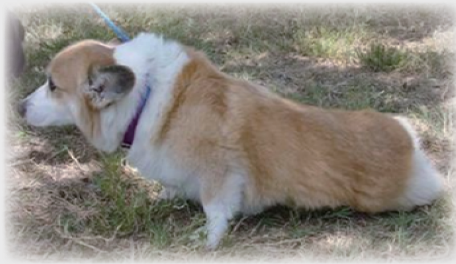
Bioguard Corporation Degenerative Myelopathy, DM is a progressive chronic degenerative disease of the central nervous system, which is a recessive genetic disease that mainly occurs in the spinal nerve, similar to human amyotrophic lateral sclerosis. It is known as lou gehrig’s disease. The age of onset of dogs is between 9 and 11 years old, and the common diseased breeds will be explained later. Pathogenesis Current research points out that the cause of DM is highly correlated with the mutation of superoxide dismutase-1 (SOD 1) gene. SOD mainly plays the role of scavenging free radicals in the body. It is an important antioxidant enzyme system in the body. It can convert the more active superoxide (Superoxide, O2–) into the less active hydrogen peroxide ( H2O2) reduces excessive peroxide production in the body; however, when the SOD 1 in the dog’s body is genetically defective, free radicals cannot be eliminated. The accumulation of excessive free radicals will cause the death of motor neuron cells and produce a lot of degeneration disease. Clinical symptoms The progression of the disease can be divided into four stages based on its severity: First Stage: From complete proprioceptive dysfunction to upper motor neuron spastic paresis. Second Stage: From difficulty in standing and walking to complete paralysis of the hind limbs. Third Stage: From neuronal paralysis of the lower body to paraplegia affecting the forelimbs. Fourth Stage: From neuronal paralysis of the lower limbs to loss of brainstem function. Based on previous cases, the transition from stage 1 to stage 4 typically occurs within 6 to 9 months. The cause of the disease remains unknown, and there is currently no medication available for treatment. However, physical therapy and rehabilitation can help slow the progression of spinal cord degeneration and reduce limb atrophy. Early detection In the early stages, monitor your dog for any clinical symptoms and schedule an outpatient examination at a veterinary hospital. To diagnose degenerative myelopathy (DM), further testing may include assessing the dog’s breed, conducting neurological examinations, analyzing cerebrospinal fluid, performing X-rays, MRI scans, CT scans, and genetic testing. Early detection and treatment are crucial. Research on DM has identified degenerative spinal neuropathy in 115 dog breeds, with 48 breeds showing a high risk of SOD1 genetic defects. Note According to statistics from the American Orthopaedic Association, Corgis have the highest rate of abnormalities among all breeds. Since genetic testing began in 2008, a total of 4,428 Corgis have been tested, with the following results: 13.1% were normal, 33.6% were carriers, and 53.3% showed mutations.
Breed-Related Diseases in Shih Tzus: Health Risks & Prevention
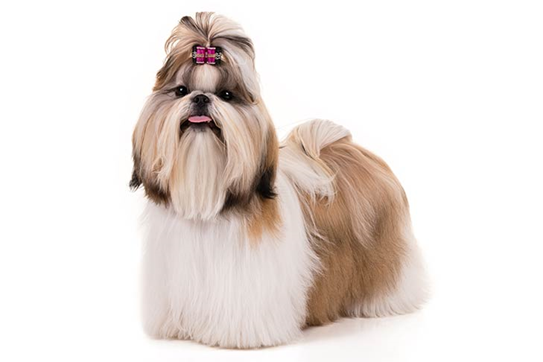
Table of Contents 1. Introduction The Shih Tzu is a small toy breed dog whose identity is inseparable from its role as a dedicated human companion. Often described as lively, affectionate, intelligent, and socially confident, the breed has been selectively developed for proximity to people rather than for functional tasks such as hunting or guarding. While many Shih Tzus display a sweet and playful disposition, behavioral expression varies among individuals, and some may exhibit fearfulness, excessive vocalization, stubbornness during training, or anxiety-related behaviors. As with all breeds, temperament reflects the interaction between genetics, early socialization, and environment. Historical Legacy: The “Lion Dog” and Buddhist Symbolism Although most commonly associated with imperial China, historical and genetic evidence suggests that the Shih Tzu likely originated in Tibet, where it was developed through crosses between the Lhasa Apso and Pekingese. The breed’s name translates to “lion dog,” referencing its resemblance to lions depicted in traditional Buddhist and Chinese art. Within Buddhist mythology, legend holds that Buddha was accompanied by a small lion dog capable of transforming into a powerful protector when danger arose. A distinctive white patch of hair on the crown of the head—often called the “Star of Buddha” or “Buddha’s kiss”—is traditionally believed to mark the spot where Buddha blessed the dog for its courage. The breed’s modern genetic landscape is shaped by a significant historical bottleneck. During the Chinese Communist Revolution in 1949, Shih Tzus were nearly eradicated due to their association with wealth and aristocracy. Consequently, all modern Shih Tzus descend from only 13–14 dogs exported to England and Scandinavia between 1928 and 1952, a fact that continues to influence inherited disease prevalence today. Temperament and Behavioral Expression The Shih Tzu is best understood as a pure companion breed, bred specifically for human interaction. Unlike working dogs, its behavioral priorities center on proximity, attention, and emotional engagement. Historically used as alert dogs in royal households, Shih Tzus retain a tendency toward sharp, sudden barking to signal the arrival of visitors. Without early training, this trait may develop into excessive vocalization. Despite high intelligence and responsiveness, the breed is known for a stubborn streak, making house training more challenging than in some other toy breeds. Their intense attachment to owners predisposes many Shih Tzus to separation anxiety, manifested as clinginess, distress vocalization, or destructive behaviors when left alone. Socially, they are typically trusting and confident, often approaching unfamiliar people and animals without hesitation. Physical Nuances and Grooming Requirements The Shih Tzu’s long, flowing coat is not merely cosmetic but represents a significant welfare consideration. Unlike fur, the breed’s coat more closely resembles human hair, growing continuously without seasonal shedding. As a result, daily brushing and regular professional grooming are essential to prevent painful matting. Matting most commonly develops in friction zones, including behind the ears, beneath the collar or harness, in the axillary region, and around the groin. Failure to maintain coat hygiene can lead to skin inflammation, infection, and chronic discomfort. Adult Shih Tzus typically weigh 4–7.5 kg (9–17 lbs). Despite their compact and sturdy appearance, they are physically fragile and susceptible to injury from falls or repeated jumping from elevated surfaces such as furniture. Critical Health and Welfare Priorities The Shih Tzu’s brachycephalic conformation underlies several breed-specific health risks that require proactive management. Category Primary Concerns and Clinical Implications Respiratory Brachycephalic Obstructive Airway Syndrome (BOAS) is characterized by narrowed nostrils, elongated soft palate, and a narrow trachea. Impaired airflow significantly increases the risk of heat intolerance and heatstroke, as effective panting is compromised. Ophthalmological Shallow orbits and prominent globes predispose the breed to keratoconjunctivitis sicca (dry eye), corneal ulcers, cataracts, glaucoma, and proptosis. Ulcerative keratitis is among the most frequently diagnosed ophthalmic conditions in Shih Tzus. Dental Shortened jaws lead to dental overcrowding, promoting plaque retention, periodontal disease, and early tooth loss if preventive dental care is not maintained. 2. Breed Characteristics and Lifestyle Considerations The Shih Tzu is fundamentally defined by its role as a pure companion breed, with behavioral traits that are closely intertwined with its physical structure and emotional needs. While the breed is adaptable to a wide range of living environments, including apartments and urban settings, its distinctive anatomy necessitates intentional lifestyle management to prevent avoidable morbidity and welfare compromise. Exercise and Activity Profile Shih Tzus are moderately active dogs that benefit from regular, low-impact physical activity rather than intense or prolonged exertion. Recommended Activity Level: A healthy adult Shih Tzu typically benefits from one to two daily walks, each lasting approximately 20–30 minutes at a comfortable pace. Many individuals remain well-conditioned with a single 30-minute walk supplemented by indoor play. Airway Protection: Due to the breed’s delicate tracheal anatomy, the use of a well-fitted harness rather than a neck collar is strongly recommended to minimize pressure on the airway and reduce the risk of tracheal irritation or collapse. Indoor Enrichment: During periods of extreme weather or poor air quality, indoor activities such as low-impact fetch, puzzle feeders, and scent-based enrichment tools (e.g., snuffle mats) provide adequate physical movement while supporting cognitive stimulation. Heat Sensitivity and Brachycephalic Risk The Shih Tzu’s brachycephalic (flat-faced) conformation has profound implications for thermoregulation and respiratory efficiency. Impaired Heat Dissipation: Shortened nasal passages and reduced airway diameter limit effective panting, the primary mechanism by which dogs dissipate heat. As a result, Shih Tzus expend greater respiratory effort to cool themselves and are prone to rapid overheating. Environmental Timing: Outdoor activity should be restricted to early morning or late evening, avoiding peak heat periods between 10:00 AM and 5:00 PM, even in temperate climates. Humidity Considerations: Elevated humidity further compromises evaporative cooling and increases airway resistance. Under such conditions, even brief walks may precipitate respiratory distress, heat exhaustion, or collapse, particularly in dogs with underlying airway abnormalities. Social Interaction and Behavioral Welfare Behaviorally, the Shih Tzu is deeply oriented toward human companionship and emotional proximity. Companion Dependency: Often described as “shadow dogs,” Shih Tzus commonly follow their owners throughout the home and display discomfort when socially isolated. Separation Anxiety
Boxer Dog Health Guide: Genetics, Disease Risks, and PCR Diagnostics
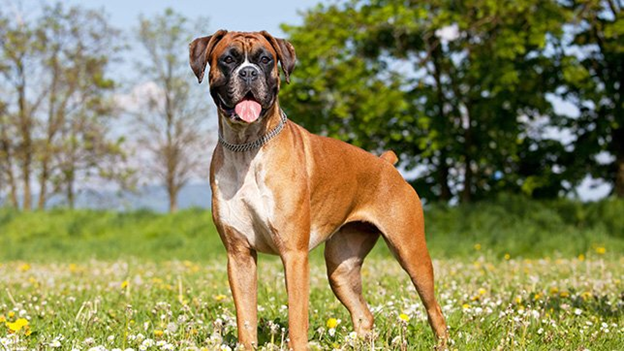
Table of Contents 1. Introduction Overview of the Boxer Breed The Boxer breed originated in late 19th-century Germany through the deliberate cross-breeding of the Bullenbeisser, a traditional large hunting breed, with the English Bulldog and other breeds. The goal was to produce an athletic, versatile working dog with a stable temperament. Historically used for hunting large game, Boxers were introduced to the United Kingdom in the 1930s and have since remained popular as both working and companion dogs. Physically, Boxers are medium-large, muscular dogs with a short coat and a moderately brachycephalic skull. Their distinctive features include a muzzle approximately one-third the length of the head, a broad upper jaw, an undershot lower jaw, and long, straight limbs. Common coat colors are fawn and brindle, with roughly 10% of Boxers being white. Modern Boxers are celebrated for their friendly, energetic, and curious temperament, although studies indicate that some may exhibit protective or guarding behaviors, and male Boxers may have a higher propensity for aggression, which should be monitored. Importance of Breed-Specific Disease Knowledge Awareness of breed-specific health risks is critical for owners, breeders, and veterinarians. Understanding the Boxer’s unique health profile enables the development of Breed Health and Conservation Plans, prioritizing conditions such as cancer, cardiac disorders, and Degenerative Myelopathy (DM). For breeders, this knowledge informs responsible breeding decisions that can reduce inherited disease prevalence. Owners and veterinarians benefit from early recognition of clinical signs, such as fainting or sudden death associated with Arrhythmogenic Right Ventricular Cardiomyopathy (ARVC), which can allow life-saving interventions before severe disease progression. Modern Diagnostic Tools Early detection and monitoring of Boxer-specific diseases have been greatly enhanced by modern diagnostic tools: DNA Testing: Enables identification of genetic risk factors. For Boxers, tests are available for ARVC1 and ARVC2 gene variants, as well as the SOD1A mutation linked to Degenerative Myelopathy, classifying dogs as clear, carriers, or at-risk. Holter Monitoring: A 24-hour Holter monitor is the gold standard for detecting ARVC, capturing intermittent ventricular premature complexes (VPCs) that may be missed in a standard ECG. Echocardiography with Doppler: Provides detailed visualization of heart structures and blood flow, essential for diagnosing Subaortic Stenosis (SAS) and other valvular conditions. 2. History and Origins The Boxer breed was developed in late 19th-century Germany through the deliberate cross-breeding of the traditional large hunting breed Bullenbeisser with English Bulldogs and other breeds. The goal was to produce an athletic working dog with a stable temperament. Originally bred for hunting and guarding, the Boxer was first officially registered in the United Kingdom in 1939 and has since evolved into a highly popular family companion, valued for both intelligence and character. Over time, specific physical and behavioral traits were emphasized to define the breed: Strength and Agility: Boxers are medium-large, muscular dogs with an athletic, square build, well-developed muscles, and high endurance. Playful Temperament: Known for being curious, lively, and energetic, Boxers retain their playful nature well into adulthood. They are also widely regarded as sweet-tempered and high-spirited, making them engaging companions for families. Loyalty and Trainability: Boxers are eager to please, respond well to consistent training, and thrive on positive reinforcement, often appearing proud and satisfied when praised. Courage and Protective Instincts: While naturally sociable, Boxers may demonstrate home-protective or guarding behaviors, such as alert barking toward strangers. These instincts are typically balanced by a fundamentally friendly and submissive nature with familiar people. While the breed retains its historical strength and agility, its modern role has shifted primarily to that of a beloved family dog, celebrated for its intelligence, energy, and affectionate personality. 3. Modern Diagnostic and Preventive Tools 1. Cardiomyopathy (Arrhythmogenic Right Ventricular Cardiomyopathy, ARVC) Also known as Boxer Cardiomyopathy, ARVC is an adult-onset, inherited disease affecting the heart’s electrical system. Pathophysiology: Normal myocardial tissue is gradually replaced by fatty or fibrous tissue, disrupting electrical conduction. Clinical Signs: May include syncope (fainting), exercise intolerance, lethargy, and sudden cardiac death. Less than 5% develop congestive heart failure. Genetics: Variants in ARVC1 (striatin gene) and ARVC2 are implicated, though the disease shows incomplete penetrance. Diagnosis: 24-hour Holter monitoring is the gold standard, as intermittent ventricular premature complexes (VPCs) may be missed on a standard ECG. Management: Anti-arrhythmic drugs (e.g., sotalol, mexiletine) are used alongside Omega-3 fatty acids and sometimes L-carnitine supplementation. 2. Aortic Stenosis (Subaortic Stenosis, SAS) SAS is a common congenital heart defect in Boxers. Description: Abnormal tissue below the aortic valve obstructs blood flow, causing the left ventricle to hypertrophy. Clinical Signs: Mild cases may be asymptomatic; moderate to severe cases can present with weakness, fainting, or sudden death. Breeding Considerations: Affected dogs should not be bred, as the condition is hereditary. Diagnosis: Confirmed via echocardiography with Doppler, allowing detailed visualization of obstruction and measurement of blood flow. 3. Bone and Joint Problems Boxers are susceptible to various musculoskeletal disorders. Hip Dysplasia: Screening via radiographs is recommended at ≥2 years of age for breeding candidates. Cranial Cruciate Ligament (CCL) Ruptures: Leads to instability and pain in the knee joint. Prevention and Management: Maintaining healthy weight, high-quality diet, and avoiding excessive strain is key. Supplements like glucosamine-chondroitin may aid joint health, particularly in older dogs. 4. Degenerative Myelopathy (DM) DM is a progressive, incurable neurological disorder affecting the spinal cord. Onset: Typically appears between 7–14 years of age. Signs: Early signs include knuckling, dragging rear paws, and hind limb weakness. Progression leads to paralysis of hind and eventually front limbs, urinary incontinence, and potentially compromised respiratory function. Genetics: Caused by a recessive SOD1 mutation; dogs can be clear, carriers, or at-risk. Management: No cure exists, but regular physical activity and assistive devices (e.g., wheelchairs, lifting harnesses) improve quality of life. 5. Cancer Neoplasia is a major health concern in Boxers. Predisposition: Boxers are particularly prone to Mast Cell Tumors (MCTs) and may also develop tumors of the brain, thyroid, mammary glands, testes, heart, spleen, and lymphoma. Prevalence: One study reported a 14.2% prevalence, higher than many other medium-large breeds. White Boxers: Dogs with white markings may be slightly more susceptible to
Alaskan Malamute Guide: Health, Care, and Genetic Screening
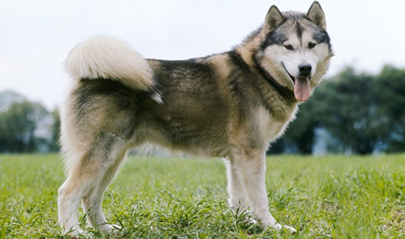
Table of Contents 1. Introduction Overview of the Alaskan Malamute Breed The Alaskan Malamute is a powerful, heavy-duty spitz-type dog, historically bred as a freight-carrying sled dog in the Arctic. Its name derives from the Mahlemut Inuit tribe, who developed the breed to haul heavy loads across Alaska’s Norton Sound region. Known as the “Freight Train of the North,” Malamutes were indispensable partners for survival, assisting in hunting seals and polar bears, transporting goods, and providing warmth in tribal shelters. Frequently mistaken for Siberian Huskies, Malamutes are larger and more robust, designed for strength and endurance rather than speed. Their history as working dogs has shaped their physical abilities and behavioral traits, making them both highly capable and demanding companions. Breed-Specific Traits and Temperament Understanding the Malamute’s unique personality is essential for potential owners. They are highly intelligent but strong-willed and independent, combining loyalty, affection, and playfulness with a persistent “puppy-like charm” into adulthood. Their pack-oriented heritage means they require a confident, consistent leader to prevent dominance issues. Key behavioral traits: Vocalizations: Rather than typical barking, Malamutes are vocal and expressive, often howling, making “woo-woo” sounds, or “singing.” Exercise Needs: Extremely active, requiring a minimum of two hours of vigorous daily exercise; without adequate stimulation, they may become destructive or overly vocal. Prey Drive: High prey drive requires caution around smaller animals and can contribute to same-sex aggression. Grooming: Their thick double coat protects them in freezing climates but leads to heavy seasonal shedding, requiring daily brushing to maintain coat health. Health Needs and Veterinary Considerations Expert veterinary care is critical, as Malamutes are predisposed to several hereditary health conditions, many of which are autosomal recessive. Responsible breeding and early detection are key to maintaining a healthy population. Common health concerns include: Hip Dysplasia: Malformation of the hip joint that can lead to arthritis and reduced mobility; x-ray screening is essential for breeding dogs. Alaskan Malamute Polyneuropathy (AMPN): A neuromuscular genetic disorder causing weakness, muscle wasting, and a characteristic bunny-hopping gait; DNA testing identifies carriers and affected individuals. Day Blindness (Cone Degeneration): Sensitivity to bright light, causing difficulty seeing during the day while retaining night vision. Hypothyroidism: An underactive thyroid that can affect weight, skin, and energy levels. Gastric Dilation and Volvulus (GDV/Bloat): A life-threatening twisting of the stomach, most common in deep-chested breeds, requiring immediate veterinary attention. To reduce these risks, the Alaskan Malamute Club of America mandates testing for hip dysplasia, polyneuropathy, and ocular phenotypes in breeding dogs. Owners are advised to maintain a balanced, protein-rich diet while monitoring weight, as their thick coat can easily conceal obesity. Early socialization and consistent, reward-based training provide the foundation for a healthy, well-adjusted companion. 2. History and Origins The Alaskan Malamute is an ancient Arctic breed originating in Alaska’s Norton Sound region, where it was developed by the Mahlemut Inupiaq people. These dogs were indispensable partners for human survival, assisting in hunting polar bears and seals and providing warmth in tribal shelters during freezing nights. Bred to pull heavy sleds over vast, frozen landscapes, the Malamute earned the nickname “Freight Train of the North” for its exceptional strength and ability to haul freight over long distances. The breed’s reputation for resilience grew during the 1896 Gold Rush, and Malamutes later participated in notable historical missions, including Admiral Byrd’s Antarctic expeditions and World War II search and rescue operations. Their physical and behavioral traits, honed over centuries, allowed them to thrive in extreme Arctic conditions. The American Kennel Club (AKC) officially recognized the Alaskan Malamute in 1935, formalizing the preservation of the breed’s pure bloodlines and distinctive characteristics. While the sources do not explicitly mention the United Kennel Club (UKC), references frequently highlight the role of the Kennel Club (UK) and the importance of using Assured Breeders to maintain breed standards and promote health. To endure harsh Arctic climates, Malamutes evolved several adaptive traits: Insulating Double Coat: A dense, woolly undercoat paired with a coarse, water-repellent outer layer protects against freezing temperatures. Immense Strength: Unlike Siberian Huskies, which were bred for speed, Malamutes prioritize power and substantial bone, enabling them to pull loads multiple times their own body weight. Specialized Features: Erect ears enhance alertness, and the well-furred plumed tail, carried over the back, provides both a majestic appearance and protection from the elements. These adaptations, combined with their strong pack instincts and endurance, establish the Malamute as one of the most capable and iconic Arctic working breeds. 3. Physical Characteristics Size and Sexual Dimorphism Alaskan Malamutes are large, powerful dogs, with a standard height of 23 to 25 inches at the shoulder and a typical weight range of 75 to 85 pounds. The breed exhibits clear sexual dimorphism, with males generally larger and heavier than females. Adult males may reach 25 to 28 inches in height and weigh up to 85 pounds, while females typically measure 23 to 25 inches and weigh between 65 and 75 pounds. Some Malamutes from working lines can surpass these dimensions, reaching weights of up to 100 pounds, emphasizing the breed’s capacity for heavy-duty work. Coat Types and Seasonal Shedding The Alaskan Malamute is equipped with a specialized thick double coat adapted for survival in Arctic climates. This coat consists of: A soft, dense, woolly undercoat that provides insulation. A straight, harsh, water-repellent outer coat that stands off from the body and protects against moisture and wind. Due to this dense coat, Malamutes are heavy shedders year-round. They also experience pronounced seasonal shedding twice annually—spring and autumn—commonly referred to as “blowing” the undercoat. During these periods, daily or even twice-daily brushing is necessary to manage loose fur and prevent matting. Recognizable Markings and Differences from Huskies Distinctive physical features set Malamutes apart from other sled dogs: Tail: A well-furred, plumed tail carried over the back, both functional for warmth and aesthetically striking. Head and Ears: Erect, triangular ears, a broad head, and almond-shaped eyes contribute to an alert and expressive appearance. Coat Colors and Markings: Coat colors include gray, black, sable, and red, always
Pug Health and Common Diseases: From Breed Traits to PCR Diagnostic
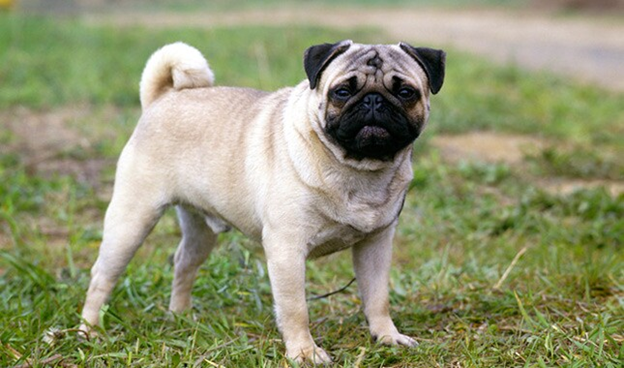
Table of Contents 1. Introduction The Pug is among the oldest recognized companion dog breeds, with origins tracing back more than two millennia to imperial China. Unlike many modern breeds shaped by functional roles such as hunting, herding, or guarding, the Pug was selectively developed almost exclusively for companionship and symbolic value within ruling households. This unique breeding trajectory has resulted in a dog whose physical form has long been governed by human aesthetic preference rather than biological performance. Historical records describe Pugs as highly prized animals within Chinese imperial courts, where they were bred for specific facial features associated with nobility and spiritual symbolism. As the breed spread to Europe through early global trade networks, these aesthetic traits were further refined and standardized. Over time, selection increasingly favored shortened muzzles, prominent eyes, and compact body conformation, characteristics now formally classified as brachycephalic. While these traits define the modern Pug’s appearance, they also underpin a distinct and well-documented disease profile. From a veterinary and molecular perspective, extreme craniofacial shortening alters airway anatomy, ocular protection, thermoregulation, and musculoskeletal biomechanics. As a result, Pugs exhibit a disproportionately high prevalence of conditions such as brachycephalic obstructive airway syndrome, corneal injury, dermatological disease associated with skin folds, and inherited neurological disorders. Understanding breed-related disease in the Pug therefore requires more than a catalog of clinical symptoms. It demands an appreciation of how historical selection pressures, genetic architecture, and modern breeding practices converge to influence health outcomes. This article examines the major inherited and conformation-associated diseases affecting Pugs, integrating veterinary medicine, genetics, and evidence-based clinical management to inform responsible ownership and breeding strategies. 2. Physical Characteristics and Breed Conformation Building on their history as imperial companions, the modern Pug is physically characterized by compact strength and a distinctive craniofacial structure. This combination is traditionally summarized by the Latin motto “multum in parvo”, meaning “a lot in a little,” reflecting a breed that is small in size yet substantial in build and presence. General Build and Proportions Despite their classification as a toy breed, Pugs are notable for their solid and muscular frame. Weight and Height: Adult Pugs typically weigh between 14 and 18 pounds and measure approximately 10 to 14 inches at the shoulder. Body Shape: The breed is described as square and cobby, indicating a short-backed, thickset body with good substance. Proportional Balance: Breed standards emphasize overall symmetry. Excessively long limbs, a narrow frame, or disproportionate body length are considered deviations from ideal conformation. Each anatomical component should contribute to a compact, well-integrated whole. Distinguishing Facial Features The Pug’s facial anatomy is its most recognizable feature and plays a central role in both breed identity and health considerations. Head: The skull is large, round, and massive, without doming or indentation. A flat skull profile is preferred over an apple-shaped contour. Eyes: Pugs possess very large, dark, and prominent globular eyes, producing an alert and expressive appearance. The orbits are relatively shallow, contributing to ocular prominence. Muzzle: The muzzle is short, blunt, and square, a conformation classified as brachycephalic, characterized by significant shortening of the facial bones. Dentition: A slightly undershot bite is typical, with the lower incisors extending marginally beyond the upper incisors. Facial Wrinkles: Deep and well-defined skin folds are a hallmark of the breed. Historically, forehead wrinkles resembling the Chinese character for “prince” (王) were selectively valued. Coat and Coloration The Pug’s coat reflects its development as a companion animal rather than a working breed. Texture: The coat is short, fine, smooth, and glossy, lying close to the body. Coarse or woolly textures are not characteristic. Accepted Colors: Recognized coat colors include fawn and black, with fawn ranging from pale silver to deep apricot tones. Markings: In fawn individuals, darker pigmentation forms a distinct black mask, black ears, and a dorsal trace, a narrow black line extending along the spine toward the tail. Conformation-Associated Health Considerations The defining physical traits of the Pug are closely associated with a breed-specific health profile. Brachycephalic Airway Changes: The shortened muzzle and compact nasal passages are associated with brachycephalic obstructive airway syndrome (BOAS), which can affect breathing efficiency and heat tolerance. Ocular Exposure: Prominent eyes and shallow orbits increase susceptibility to corneal injury, ulceration, and globe displacement following trauma. Skin Fold Conditions: Deep facial wrinkles may retain moisture and debris, creating a microenvironment conducive to intertrigo and secondary microbial overgrowth. Body Condition Sensitivity: The breed’s compact frame predisposes it to excess weight gain, which may exacerbate respiratory, orthopedic, and metabolic stress when not appropriately managed. 3. Temperament and Lifestyle Characteristics Pugs are defined by their even-tempered, affectionate, and sociable nature, often described as possessing a “multum in parvo” (a lot in a little) personality. They balance a playful, mischievous sense of humor with a dignified, stable temperament, making them one of the most cherished companion breeds. The “Shadow” Companion A hallmark of the Pug’s lifestyle is its absolute devotion to its human family: Constant Presence: Pugs are famously called “shadows” because they tend to follow their owners from room to room, craving physical closeness and attention. Emotional Intuition: They are highly sensitive to their owners’ moods and often respond with an eager-to-please attitude. Need for Interaction: Pugs thrive on human companionship and can become distressed if left alone for extended periods. Social Compatibility Pugs are known for their friendliness and ability to integrate seamlessly into diverse households: Children: They have a natural affinity for children. Unlike some delicate toy breeds, Pugs are sturdy enough to withstand supervised play and heavy-handed affection. Other Pets: Properly socialized Pugs generally get along well with other dogs and can coexist peacefully with cats and other small animals. Strangers: They are typically friendly toward newcomers and rarely show aggression, often greeting visitors with a wagging tail. The “Clown” Persona Pugs are often called the “clowns” of the canine world due to their expressive faces and entertaining antics: Mischief and Dignity: They combine playful antics with poise, amusing their owners while maintaining a sense of self. Willful Nature: Despite a strong
Breed-related disease: Bichon Frise
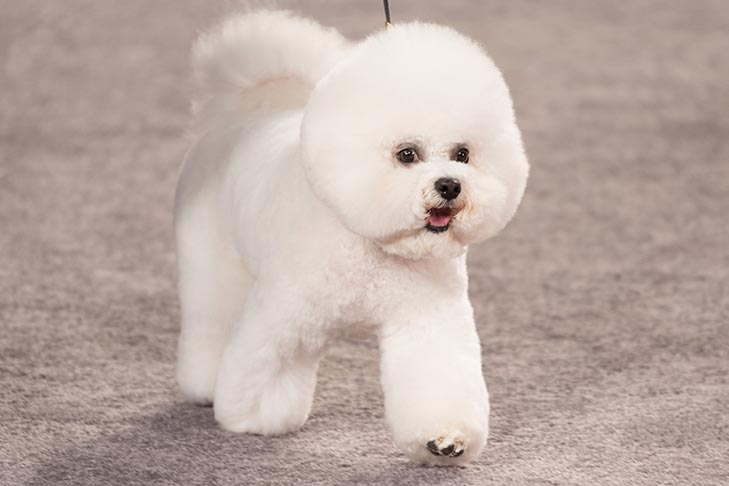
The Bichon Frise is often depicted as a French dog. Although the Bichon breed type are originally Spanish, used as sailing dogs, also as herding dogs sometimes, the French developed them into a gentle lap-dog variety. The Bichon type arose from the water dogs, and is descended from the poodle-type dogs and either the Barbet or one of the water spaniel class of breeds. Modern Bichons have developed into four categories: the Bichon Frise or Tenerife, the Maltese, the Bolognese, and the Havanese. These are often treated as separate breeds. A good-size Bichon will stand a shade under a foot tall at the shoulder. The breed’s glory is a white hypoallergenic coat, plush and velvety to the touch, featuring rounded head hair that sets off the large, dark eyes and black leathers of the nose and lips. With its happy-go-lucky attitude, the playful, vivacious, and bouncy Bichon dog delights everyone. It is good with kids and amicable towards pets, other dogs, and strangers. This affectionate, responsive, and sensitive dog also loves to play and be cuddled, but when it is left alone, it may bark excessively. The Bichon dog breed, with a lifespan of about 12 to 15 years, is prone to some serious health problems like: Heart Disease: Bichons are prone to multiple types of heart disease, which can occur both early and later in life. Liver Problems: Your Bichon is more likely than other dogs to have a liver disorder called portosystemic shunt (PSS). Some of the blood supply that should go to the liver goes around it instead, depriving the liver of the blood flow it needs to grow and function properly. If your friend has PSS, his liver cannot remove toxins from his bloodstream effectively. Hip Dysplasia Hip dysplasia is a hereditary condition that prevents the thigh bone from adjusting perfectly to the hip joint. Hip dysplasia is common among Bichon Frise, but it does not affect them all. The dog usually has symptoms of pain and lameness. However, hip dysplasia does not always cause discomfort in the Bichon Frise, but it can develop into arthritis as your dog ages. Incontinence Incontinence can affect your Bichon Frise at any age. If your dog has been previously housetrained, it is important to remember that loss of bladder or bowel control is a physical problem, not a behavioral one. Incontinence is most commonly found in older Bichon Frises, especially females. Source: https://en.wikipedia.org/wiki/Bichon_Frise Photo credit: https://en.wikipedia.org/wiki/Bichon_Frise
Breed-related disease: Japanese Bobtail
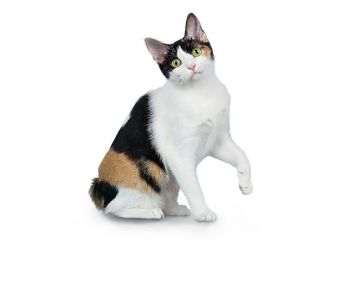
The Japanese Bobtail is a breed of domestic cat with an unusual bobtail more closely resembling the tail of a rabbit than that of other cats. The variety is native to Japan and Southeast Asia, though it is now found throughout the world. The breed has been known in Japan for centuries, and it frequently appears in traditional folklore and art. Japanese bobtails have two coat types: long and short. The coat can be solid, bi-color, calico, or tabby, but this breed is most commonly white with colored spots, or what some call the van pattern. Both long and short coats are silky smooth, easy to groom, and low-shedding. However, although Japanese bobtails usually shed less than other breeds, they do have shedding seasons in the spring and fall and are not considered hypoallergenic. The Japanese Bobtail is active and intelligent. It’s not unusual to find him splashing his paw in water, carrying toys around, or playing fetch. He is highly curious and loves to explore. Japanese Bobtails are talkative, communicating with a wide range of chirps and meows. Their voices are described as almost songlike. These are outgoing cats who get along well with children and other pets, including dogs, and adjust to travel with ease. They love people and are often seen riding on a shoulder so they can supervise everything going on. We know that because you care so much about your cat, you want to take great care of her. That is why we have summarized the health concerns we will be discussing with you over the life of your Japanese bobtail. Dental Disease: Dental disease is one of the most common chronic problems in pets who don’t have their teeth brushed regularly. Unfortunately, most cats don’t take very good care of their own teeth, and this probably includes your Japanese bobtail. Without extra help and care from you, your cat is likely to develop potentially serious dental problems. Dental disease starts with food residue, which hardens into tartar that builds up on the visible parts of the teeth, and eventually leads to infection of the gums and tooth roots. Protecting your cat against dental disease from the start by removing food residue regularly may help prevent or delay the need for advanced treatment of dental disease. Heart Disease: Cardiomyopathy is the medical term for heart muscle disease, either a primary inherited condition or secondary to other diseases that damage the heart. The most common form, called hypertrophic cardiomyopathy, or HCM, is a thickening of the heart muscle often caused by an overactive thyroid gland. Another example is dilated cardiomyopathy, or DCM, which can be caused by a dietary deficiency of the amino acid taurine. While DCM was a big problem in the past, all major cat food producers now add taurine to cat food, so DCM is rarely seen in cats with high-quality diets today. FLUTD: When your cat urinates outside the litter box, you may be annoyed or furious, especially if your best pair of shoes was the location chosen for the act. But don’t get mad too quickly—in the majority of cases, cats who urinate around the house are sending signals for help. Although true urinary incontinence, the inability to control the bladder muscles, is rare in cats and is usually due to improper nerve function from a spinal defect, most of the time, a cat that is urinating in “naughty” locations is having a problem and is trying to get you to notice. What was once considered to be one urinary syndrome has turned out to be several over years of research, but current terminology gathers these different diseases together under the label of Feline Lower Urinary Tract Diseases, or FLUTD. Renal Failure: Renal failure refers to the inability of the kidneys to properly perform their functions of cleansing waste from the blood and regulating hydration. Kidney disease is extremely common in older cats, but is usually due to exposure to toxins or genetic causes in young cats. Even very young kittens can have renal failure if they have inherited kidney defects, so we recommend screening for kidney problems early, before any anesthesia or surgery, and then regularly throughout life. Severe renal failure is a progressive, fatal disease, but special diets and medications can help cats with kidney disease live longer, fuller lives. Source: https://www.cbvetclinic.com/client-resources/breed-info/japanese-bobtail-longhair/ https://www.cat-lovers-only.com/japanese-bobtail.html Photo crédit: https://www.petfinder.com/cat-breeds/japanese-bobtail/
Airedale Terrier Health Problems and Genetic Diagnostic Approaches
Table of Contents 1. Introduction 1.1 Overview of the Airedale Terrier as a Versatile, Working Terrier Breed The Airedale Terrier, universally celebrated as the “King of Terriers” due to being the largest of all terrier breeds, is an intelligent, bold, and robust dog. However, despite their sturdy nature, prospective and current owners must be aware of common Airedale Terrier health problems to ensure a long and fulfilling life for their companions. The breed originated in the mid-19th century in the valley of the River Aire in Yorkshire, England, when working-class miners and farmers crossed the Old English Black and Tan Terrier with the Otterhound. As a working breed, the Airedale Terrier is exceptionally versatile, often described as a “Jack of All Trades”. Initially bred to hunt otters, badgers, foxes, and river rats, the breed’s courage and stamina allowed it to excel in diverse tasks. Historically, Airedales have hunted big game such as bears and mountain lions, retrieved waterfowl, and assisted in driving cattle and sheep. Their fearless temperament made them invaluable during World War I, where they served as sentries, Red Cross ambulance dogs locating wounded soldiers, and messengers delivering dispatches under fire. Post-war, their intelligence and protective instincts established them as ideal candidates for law enforcement, search and rescue operations, and other working roles. U.S. President Theodore Roosevelt famously remarked, “An Airedale can do anything any other dog can do and then lick the other dog, if he has to.” 1.2 Importance of Breed-Specific Health Knowledge for Owners and Veterinarians Despite being generally sturdy and healthy, with a lifespan of 10 to 14 years, Airedales are genetically predisposed to several hereditary health conditions. Understanding these risks is critical for both owners and veterinary professionals. Tailoring Preventive Health Plans Many canine diseases are genetically linked. Knowledge of Airedales’ predispositions—such as hip dysplasia, hypothyroidism, dilated cardiomyopathy (DCM), and skin allergies—enables veterinarians to create customized preventive care schedules and monitor for early warning signs during routine check-ups. Overcoming the Breed’s Stoicism Airedales are known to be stoic, often masking pain or illness until conditions become severe. Awareness of breed-specific health vulnerabilities allows for early detection of subtle signs, reducing the risk of delayed intervention. Guiding Responsible Breeding Health screening is essential prior to breeding. Recommended evaluations include radiographic assessments for hip dysplasia and testing for bleeding disorders such as von Willebrand’s disease. Such proactive measures help reduce the transmission of hereditary conditions to offspring. Directing Future Veterinary Research Comprehensive breed health data, such as that from the Airedale Terrier Club of America’s National Health Survey, informs veterinary research priorities, supports breed clubs in disease prevention strategies, and promotes evidence-based care for Airedales nationwide. 2. Breed History and Origins The Airedale Terrier boasts a rich and storied history as a highly adaptable and capable breed. Early in their development, these dogs were known by several different names, including the Bingley Terrier, the Waterside Terrier, the Rough Coated Terrier, and the Working Terrier. 2.1 Geographic Origins The breed originated during the mid-19th century in the valley (or “dale”) of the River Aire, located in the West Riding of Yorkshire, England. Working-class residents, mill workers, and miners of this region sought to create a larger, more versatile dog capable of excelling in water rat hunting competitions and assisting in controlling local vermin along riverbanks. 2.2 Genetic Lineage To achieve this ideal working companion, Yorkshire breeders crossed the now-extinct rough-coated Old English Black and Tan Terrier (closely related to today’s Welsh Terrier) with the Otterhound, along with select local terrier breeds. This intentional crossbreeding aimed to combine: The terrier’s tenacity and grit The Otterhound’s superior scenting ability and swimming skill The resulting breed possessed both physical endurance and intelligence, making the Airedale Terrier capable of handling a wide range of working roles. 2.3 Historical Roles and Versatility Thanks to this unique genetic heritage, the Airedale evolved into an exceptionally versatile all-around working and farm dog rather than a typical “go-to-ground” terrier. Historically, the breed excelled in: Hunting In Britain: foxes, badgers, weasels, otters, and water rats In the United States: big game (bear, mountain lions), upland birds, and waterfowl Recognized as a “three-in-one” gundog: capable of retrieving, flushing, and tracking War Dogs World War I: served as sentries, messengers delivering vital communications under fire, and Red Cross ambulance dogs locating wounded soldiers Praised for courage, stamina, and loyalty Police and Guide Dogs Adopted by British law enforcement (Hull Docks, 1908) for patrol and scent work Used successfully as guide dogs, therapy dogs, and search and rescue workers 2.4 Contribution to Other Breeds In addition to establishing its legacy as the “King of Terriers”, the Airedale Terrier contributed genetically to the development of other breeds, most notably the Yorkshire Terrier, leaving a lasting impact on terrier lineage worldwide. 3. Physical Characteristics The Airedale Terrier is renowned for its distinctive appearance, combining size, strength, and the classic terrier expression. Breed standards emphasize balance, muscularity, and functional traits suited for a versatile working dog. 3.1 Size and Stature: The “King of Terriers” The Airedale Terrier earned the nickname “King of Terriers” because it is the largest of all terrier breeds. Height: Males typically measure 23–24 inches at the shoulder; females are slightly smaller. Weight: Generally ranges from 35–70 pounds. Females typically weigh 35–45 pounds, and males 50–70 pounds. Historical Variation: In the U.S., some breeders developed an oversized variation called the “Oorang” Airedale, used for big game hunting, weighing 60–120 pounds. 3.2 Head The Airedale exhibits a classic, well-balanced terrier head that is long, flat, and proportionate between skull and foreface. Stop: Barely perceptible, giving a clean profile. Muzzle and Jaw: Deep, powerful, and muscular foreface with delicate chiseling; includes a distinctive beard characteristic of the breed. Eyes and Ears: Dark, small, and alert, expressing intelligence and terrier character. Ears are V-shaped, fold slightly above the skull, and are carried to the side of the head. 3.3 Body and Build The Airedale possesses a strong, sturdy, and muscular build, somewhat “cobby” in structure. Outline: Square, with leg length
Breed-related disease: Norwegian Forest Cat
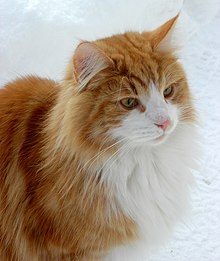
John K. Rosembert The Norwegian Forest cat is a breed of domestic cat originating in Northern Europe. It is a big, strong cat, similar to the Maine Coon breed, with long legs, bushy tail, and sturdy body. The breed is very good at climbing, since they have strong claws they are one of the few domestic cats capable of descending a tree head first With their thick coat of warm, water-resistant fur, the Norwegian Forest Cat is a truly rugged cat. In fact, most experts agree that its ancestors belonged to the Vikings and were used to catch and control vermin on Viking ships. It is also one of the oldest breeds: its ancestors were brought to Norway by Vikings over a thousand years ago and interbred with longhaired cats imported to Norway by Crusaders. True to its name, the Norwegian Forest Cat is built to survive Norway’s cold and snow! Over the centuries, the Norwegian Forest Cat walked Norwegian forests and farms, honing their hunting skills. In 1938, the first Norwegian Forest Cat club was formed to preserve the breed. However, crossbreeding during WWII almost led to the breed’s extinction. Luckily, another official breeding program saved the breed, which didn’t leave Norway until the 1970s. He might have the words “forest cat” in his name, but the Norwegian Forest cat is far from feral. He loves people, in a low-key, cool Norwegian kind of way. He won’t harass you for attention, unless his meals are late but he will follow you around and hang out wherever you are. Their temperament can make him a good choice for families with children and other pets, especially if he has been raised with them. Just make sure children treat him with the gentle respect he deserves. He has an average activity level, not a couch potato but not super-active, either. Below we summarized some of the most common health issues of Norwegian Forest Cat breed in order to help you prevent some predictable risks in your pet. Hypertrophic Cardiomyopathy is the most common heart problem diagnosed in cats. Symptoms include laboured or rapid breathing and lethargy. Although there’s no cure, quality of life can be improved greatly by treatment to control the heart rate and reduce lung congestion. Pyruvate Kinase (PK) is an enzyme deficiency that damages a cat’s red blood cells. The Norwegian Forest is one of the breeds that seems to be more predisposed to it than others. Early signs include anaemia, increased heart rate, muscle wastage and lethargy. Diagnosis involves a full biochemistry profile. Sadly, a bone marrow transplant is the only treatment. Polycystic Kidney Disease can affect Norwegian Forest cats. It’s where lots of fluid-filled cysts develop in the kidneys, leading ultimately to kidney failure. Many cats affected by it won’t display symptoms until middle-age or older and although it’s not curable, supportive treatment can help to minimize the impact for as long as possible. Retinal Dysplasia can affect this breed. Often, this is limited to tiny blind spots over the retina that don’t need to be treated. However, if the dysplasia covers a large area, there’s a greater chance of secondary problems such as cataracts or retinal detachment that will require treatment. Hip Dysplasia is usually an inherited disease that can affect Forest cats. Treatment depends on severity, and in serious cases can involve orthopedic referral and hip surgery. Sources: https://www.everypaw.com/all-things-pet/norwegian-forest-cat-breed-info-health-advice http://www.vetstreet.com/cats/norwegian-forest-cat#personality Photo credit: http://www.vetstreet.com/cats/norwegian-forest-cat#personality https://en.wikipedia.org/wiki/Norwegian_Forest_cat#/media/File:Norwegian_Forest_Cat_in_snow_(closeup)_(cropped).jpg
Breed-related disease: Border Collie
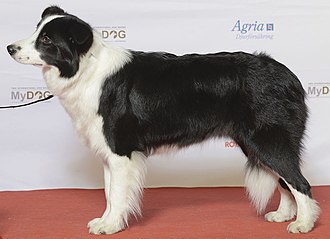
The classic working farm dog, the Border Collie originated in the border country between Scotland and England. Farmers bred their own individual varieties of sheepdogs for the hilly area. As Borders often tended their flock alone, they had to think independently and be able to run around 50 miles a day in hilly country. Considered highly intelligent, extremely energetic, acrobatic and athletic, they frequently compete with great success in sheepdog trials and dog sports. They are often cited as the most intelligent of all domestic dogs. Border Collies continue to be employed in their traditional work of herding livestock throughout the world and are kept as pets. Border collies are active, working dogs best suited to country living. If confined without activity and company, these dogs can become unhappy and destructive. The breed is highly intelligent, learns quickly and responds well to praise. Border collies are extremely energetic dogs and must have the opportunity to get lots of exercise. They love to run. They also need ample attention from their owners and a job to do, whether that be herding livestock or fetching a ball. They should be socialized well from the time they are young to prevent shyness around strangers, and they should have obedience training, which can help deter nipping behavior and a tendency to run off or chase cars. Below we resume some important diseases more common in your Border Collie. Dental Disease Dental disease is the most common chronic problem in pets affecting 80% of all dogs by age two. Unfortunately, your Border Collie is more likely than other dogs to have problems with her teeth. Dental disease starts with tartar build-up on the teeth and progresses to infection of the gums and roots of the teeth. If we don’t prevent or treat dental disease, your buddy may lose her teeth and be in danger of damaging her kidneys, liver, heart, and joints. In fact, your Border Collie’s life span may even be cut short by one to three years! Cancer Cancer is a leading cause of death in older dogs. Your Collie will likely live longer than many other breeds and therefore is more prone to get cancer in his golden years. Many cancers are curable by surgical removal, and some types are treatable with chemotherapy. Early detection is critical! Multidrug Resistance Multidrug resistance is a genetic defect in a gene called MDR1. If your Border Collie has this mutation, it can affect the way his body processes different drugs, including substances commonly used to treat parasites, diarrhea, and even cancer. For years, veterinarians simply avoided using ivermectin in herding breeds, but now there is a DNA test that can specifically identify dogs who are at risk for side effects from certain medications. Testing your pet early in life can prevent drug-related toxicity. Neurological disorders Although the Border Collie is generally a breed noted for its vitality, they are unfortunately prone to canine epilepsy, a neurological disorder that is the result of an irregular neuroelectric activity. Signs of idiopathic epilepsy include seizures in the form of spasms, twitching, convulsions, and in extreme cases, a loss of consciousness. Idiopathic epilepsy is the most common form of the disease seen in Border Collies. A hereditary condition, IE is usually observed between 6 months and 5 years of age. Heart disorders A congenital heart disease is a common genetic defect that Border Collies are sadly predisposed to, Patent Ductus Arteriosus(POA) is a hereditary abnormality commonly observed in dogs. This heart disease typically leads to an overload of blood on the left side of the heart. In severe cases, it may lead to heart failure and death. Hormonal disorders Another inherited disease that Border Collies are unfortunately subjected to include hypothyroidism, a condition that disrupts the normal production of hormones. You may observe varying signs in a dog affected by this condition, including inactivity or lethargy, weight gain, and hair loss. Once your vet has run a series of tests, if the dog has been diagnosed with this genetic defect, the dog may be placed on medication to regulate their hormonal levels. Sources: http://www.vetstreet.com/dogs/border-collie#health https://www.pet-medcenter.com/storage/app/media/PDF/Dog_pdf/border-collie.pdf Photo Credit: https://en.wikipedia.org/wiki/Border_Collie#/media/File:BORDER_COLLIE,_Simaro_Million_Dollar_Baby_(24290879465)_2.jpg