
Table of Contents
1. Introduction
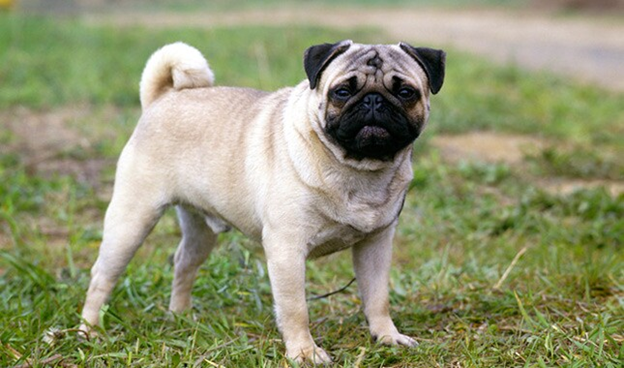 The Pug is among the oldest recognized companion dog breeds, with origins tracing back more than two millennia to imperial China. Unlike many modern breeds shaped by functional roles such as hunting, herding, or guarding, the Pug was selectively developed almost exclusively for companionship and symbolic value within ruling households. This unique breeding trajectory has resulted in a dog whose physical form has long been governed by human aesthetic preference rather than biological performance.
Historical records describe Pugs as highly prized animals within Chinese imperial courts, where they were bred for specific facial features associated with nobility and spiritual symbolism. As the breed spread to Europe through early global trade networks, these aesthetic traits were further refined and standardized. Over time, selection increasingly favored shortened muzzles, prominent eyes, and compact body conformation, characteristics now formally classified as brachycephalic.
While these traits define the modern Pug’s appearance, they also underpin a distinct and well-documented disease profile. From a veterinary and molecular perspective, extreme craniofacial shortening alters airway anatomy, ocular protection, thermoregulation, and musculoskeletal biomechanics. As a result, Pugs exhibit a disproportionately high prevalence of conditions such as brachycephalic obstructive airway syndrome, corneal injury, dermatological disease associated with skin folds, and inherited neurological disorders.
Understanding breed-related disease in the Pug therefore requires more than a catalog of clinical symptoms. It demands an appreciation of how historical selection pressures, genetic architecture, and modern breeding practices converge to influence health outcomes. This article examines the major inherited and conformation-associated diseases affecting Pugs, integrating veterinary medicine, genetics, and evidence-based clinical management to inform responsible ownership and breeding strategies.
2. Physical Characteristics and Breed Conformation
Building on their history as imperial companions, the modern Pug is physically characterized by compact strength and a distinctive craniofacial structure. This combination is traditionally summarized by the Latin motto “multum in parvo”, meaning “a lot in a little,” reflecting a breed that is small in size yet substantial in build and presence.
General Build and Proportions
Despite their classification as a toy breed, Pugs are notable for their solid and muscular frame.
- Weight and Height: Adult Pugs typically weigh between 14 and 18 pounds and measure approximately 10 to 14 inches at the shoulder.
- Body Shape: The breed is described as square and cobby, indicating a short-backed, thickset body with good substance.
- Proportional Balance: Breed standards emphasize overall symmetry. Excessively long limbs, a narrow frame, or disproportionate body length are considered deviations from ideal conformation. Each anatomical component should contribute to a compact, well-integrated whole.
Distinguishing Facial Features
The Pug’s facial anatomy is its most recognizable feature and plays a central role in both breed identity and health considerations.
- Head: The skull is large, round, and massive, without doming or indentation. A flat skull profile is preferred over an apple-shaped contour.
- Eyes: Pugs possess very large, dark, and prominent globular eyes, producing an alert and expressive appearance. The orbits are relatively shallow, contributing to ocular prominence.
- Muzzle: The muzzle is short, blunt, and square, a conformation classified as brachycephalic, characterized by significant shortening of the facial bones.
- Dentition: A slightly undershot bite is typical, with the lower incisors extending marginally beyond the upper incisors.
- Facial Wrinkles: Deep and well-defined skin folds are a hallmark of the breed. Historically, forehead wrinkles resembling the Chinese character for “prince” (王) were selectively valued.
Coat and Coloration
The Pug’s coat reflects its development as a companion animal rather than a working breed.
- Texture: The coat is short, fine, smooth, and glossy, lying close to the body. Coarse or woolly textures are not characteristic.
- Accepted Colors: Recognized coat colors include fawn and black, with fawn ranging from pale silver to deep apricot tones.
- Markings: In fawn individuals, darker pigmentation forms a distinct black mask, black ears, and a dorsal trace, a narrow black line extending along the spine toward the tail.
Conformation-Associated Health Considerations
The defining physical traits of the Pug are closely associated with a breed-specific health profile.
- Brachycephalic Airway Changes: The shortened muzzle and compact nasal passages are associated with brachycephalic obstructive airway syndrome (BOAS), which can affect breathing efficiency and heat tolerance.
- Ocular Exposure: Prominent eyes and shallow orbits increase susceptibility to corneal injury, ulceration, and globe displacement following trauma.
- Skin Fold Conditions: Deep facial wrinkles may retain moisture and debris, creating a microenvironment conducive to intertrigo and secondary microbial overgrowth.
- Body Condition Sensitivity: The breed’s compact frame predisposes it to excess weight gain, which may exacerbate respiratory, orthopedic, and metabolic stress when not appropriately managed.
3. Temperament and Lifestyle Characteristics
Pugs are defined by their even-tempered, affectionate, and sociable nature, often described as possessing a “multum in parvo” (a lot in a little) personality. They balance a playful, mischievous sense of humor with a dignified, stable temperament, making them one of the most cherished companion breeds.
The “Shadow” Companion
A hallmark of the Pug’s lifestyle is its absolute devotion to its human family:
- Constant Presence: Pugs are famously called “shadows” because they tend to follow their owners from room to room, craving physical closeness and attention.
- Emotional Intuition: They are highly sensitive to their owners’ moods and often respond with an eager-to-please attitude.
- Need for Interaction: Pugs thrive on human companionship and can become distressed if left alone for extended periods.
Social Compatibility
Pugs are known for their friendliness and ability to integrate seamlessly into diverse households:
- Children: They have a natural affinity for children. Unlike some delicate toy breeds, Pugs are sturdy enough to withstand supervised play and heavy-handed affection.
- Other Pets: Properly socialized Pugs generally get along well with other dogs and can coexist peacefully with cats and other small animals.
- Strangers: They are typically friendly toward newcomers and rarely show aggression, often greeting visitors with a wagging tail.
The “Clown” Persona
Pugs are often called the “clowns” of the canine world due to their expressive faces and entertaining antics:
- Mischief and Dignity: They combine playful antics with poise, amusing their owners while maintaining a sense of self.
- Willful Nature: Despite a strong desire to please, Pugs can be stubborn, making consistent, patient training essential.
- Vocalization: Generally quiet and not considered “yappy,” Pugs communicate through a variety of sounds, including snorts, grunts, and snoring.
Living Environment and Activity Needs
The Pug’s physical build and temperament dictate a lifestyle that prioritizes indoor comfort:
- Urban Suitability: With low-to-moderate energy levels and indoor adaptability, Pugs are well-suited to apartment living and city environments.
- Exercise Limitations: They are not built for endurance activities and generally require 20 minutes of moderate daily exercise to manage their high risk of obesity.
- Environmental Sensitivity: Due to their brachycephalic (flat-faced) structure, Pugs are highly sensitive to heat and struggle to regulate body temperature through panting. They must live in a climate-controlled environment and should never be exercised in hot or humid weather.
4. Overview of Breed-Specific Health Considerations
From a population health perspective, Pugs are no longer considered “typical dogs.” Their distinctive body conformation is associated with a substantially higher prevalence of multiple medical conditions when compared with mesocephalic and dolichocephalic breeds. Large-scale epidemiological studies indicate that Pugs are nearly twice as likely to be diagnosed with one or more health disorders annually, with many of these conditions directly linked to extreme craniofacial and skeletal traits.
Key Health Priorities
Veterinary researchers, welfare organizations, and breed health committees consistently identify several conditions as having the most significant impact on Pug health and quality of life.
- Respiratory Compromise (BOAS)
Brachycephalic Obstructive Airway Syndrome represents the most significant welfare concern in the breed. Population studies have shown that Pugs are up to 54 times more likely to be diagnosed with BOAS than non-brachycephalic dogs. The condition typically involves a combination of stenotic nares, an elongated soft palate, and varying degrees of laryngeal collapse, resulting in increased respiratory effort, exercise intolerance, and impaired thermoregulation. - Obesity
Pugs have a markedly increased risk of excessive weight gain, with studies indicating they are approximately three times more likely to develop obesity compared with other breeds. In brachycephalic dogs, elevated body fat further compromises airway function and places additional mechanical stress on joints and the spine. - Ophthalmic Vulnerability
Due to shallow orbits and prominent globes, Pugs are predisposed to ocular trauma and surface disease. Common conditions include corneal ulceration, keratoconjunctivitis sicca (dry eye), and proptosis, a vision-threatening emergency typically associated with blunt trauma.
Dermatological and Musculoskeletal Predispositions
Several hallmark physical traits contribute to secondary health risks.
- Skin Fold Dermatitis (Intertrigo)
Deep facial wrinkles and tail pockets can retain moisture and debris, creating an environment conducive to bacterial or yeast overgrowth and recurrent dermatitis. - Demodectic Mange
Pugs show a higher-than-average prevalence of demodicosis, particularly the generalized form, which is often associated with underlying immune dysregulation. - Orthopedic Disorders
The breed is predisposed to patellar luxation and hip dysplasia, with some survey-based screening programs reporting hip dysplasia rates exceeding 60% in tested populations. Less commonly, Legg–Calvé–Perthes disease may occur in young dogs, leading to progressive degeneration of the femoral head.
Neurological Conditions
Neurological disease represents a particularly serious concern in the Pug.
- Pug Dog Encephalitis (PDE)
Also termed necrotizing meningoencephalitis, PDE is a severe, inflammatory brain disorder that appears to be breed-specific. It most often affects young to middle-aged Pugs and currently carries a poor prognosis. - Congenital Spinal Malformations
The characteristic screw tail is frequently associated with hemivertebrae, malformed vertebrae that may cause spinal instability, chronic pain, or progressive neurologic deficits, including paresis and incontinence. - Pug Myelopathy
This late-onset condition, sometimes described clinically as progressive hindlimb weakness, leads to declining coordination and mobility in senior dogs and may ultimately result in paralysis.
The Role of Screening and Preventive Care
Improving long-term welfare outcomes in Pugs relies on early detection, responsible breeding practices, and informed clinical monitoring. For example, a DNA-based test is available to identify genetic risk markers associated with Pug Dog Encephalitis. In addition, the Respiratory Function Grading (RFG) scheme provides a standardized assessment of airway health and is increasingly used to guide breeding decisions and anesthetic risk evaluation.
In parallel, emerging breeding approaches, sometimes referred to as the “Retro Pug” movement, aim to reduce disease burden by selecting for more moderate craniofacial proportions and functional anatomy while preserving breed temperament and identity.
5. Dermatological and Infectious Conditions
Pugs are nearly twice as likely as other dog breeds to experience one or more health conditions each year, with dermatological disorders representing one of the most frequently diagnosed categories. This increased risk is closely linked to their distinctive physical conformation. In particular, deep facial wrinkles, redundant skin folds, and a compact body shape create localized microenvironments that retain moisture, heat, and debris, predisposing the breed to infections, inflammatory skin disease, and parasitic infestations.
5.1 Cheyletiella Dermatitis (Walking Dandruff)
Cheyletiella dermatitis is a form of superficial mange caused by Cheyletiella mites, which reside on the surface of the skin rather than burrowing into it.
- Clinical Features: The condition is characterized by excessive, scale-like dandruff, most commonly observed along the dorsal midline.
- “Walking” Appearance: The colloquial term “walking dandruff” refers to the visible movement of mites beneath loose skin scales.
- Contagious Potential: Cheyletiella mites are highly contagious, readily spreading between dogs and other household pets, including cats and rabbits. Transient pruritic lesions may also occur in humans.
- Diagnosis and Control: Diagnosis is typically achieved via acetate tape preparations, flea combing, or superficial skin scrapings followed by microscopic examination. Effective management requires miticidal topical or systemic therapy, environmental decontamination, and simultaneous treatment of all in-contact animals to prevent reinfestation.
5.2 Demodectic Mange (Demodicosis)
Demodicosis results from an abnormal proliferation of Demodex mites, which are considered part of the normal canine skin microbiota.
- Breed Predisposition: Epidemiological studies indicate that Pugs are approximately 5.6 times more likely to develop demodectic mange compared with the general canine population.
- Transmission: Demodex mites are transferred from the dam to puppies during the first days of life and are not contagious to humans or other dogs.
- Clinical Presentation: Affected dogs may develop patchy alopecia, erythema, scaling, and secondary bacterial infections. Disease may be localized, often involving the face or forelimbs, or generalized, which is more common in Pugs and may reflect inherited immune dysfunction.
- Management: Localized cases may resolve spontaneously as immune competence matures. Generalized demodicosis requires long-term veterinary supervision, typically involving acaricidal therapy, medicated bathing, and monitoring for secondary infections.
5.3 Staphylococcal Skin Infections
Staphylococcal bacteria are normal residents of canine skin but can become pathogenic when cutaneous defenses are compromised.
- Predisposing Factors: In Pugs, infections are frequently associated with moisture retention in skin folds, systemic illness, stress, or concurrent allergic disease.
- Clinical Signs: Lesions often present as papules, pustules, folliculitis, or urticarial-like eruptions. In non-haired regions, lesions may resemble dermatophytosis.
- Treatment: Management typically includes systemic or topical antibiotics, along with antiseptic bathing using chlorhexidine or benzoyl peroxide formulations to restore skin barrier integrity.
5.4 Yeast Infections
Overgrowth of Malassezia yeast is a common secondary condition in Pugs due to their extensive skin folds.
- Common Sites: Infections most often occur in intertriginous areas, including facial wrinkles, axillae, groin, neck folds, interdigital spaces, and the tail pocket.
- Clinical Indicators: Hallmark signs include a strong musty odor, persistent pruritus, erythematous skin, and chronic cases of hyperpigmentation and lichenification.
- Preventive Importance of Drying: Because yeast thrives in humid environments, meticulous drying of skin folds after bathing or swimming is essential. Treatment typically involves topical or systemic antifungal agents prescribed by a veterinarian.
5.5 Allergic Skin Disease
Pugs exhibit a high prevalence of hypersensitivity disorders, with data suggesting they are 5.9 times more likely to develop allergic dermatitis than non-Pug dogs.
- Allergen Categories: Reactions may be triggered by environmental allergens (such as pollens or dust mites), contact irritants, or dietary components.
- Clinical Presentation: Allergic disease commonly manifests as chronic pruritus, facial rubbing, paw licking, recurrent otitis externa, and secondary skin infections.
- Dietary Evaluation: In suspected food allergies, veterinarians frequently recommend a strict elimination diet trial using hydrolyzed or novel protein sources for up to 12 weeks. Common dietary allergens in dogs include beef, dairy, chicken, wheat, and soy.
Maintenance and Prevention Summary
Frequency | Action | Objective |
Daily | Clean and thoroughly dry facial wrinkles | Reduce moisture and microbial overgrowth |
Weekly | Perform a full-body skin inspection | Early identification of infection or parasitism |
Monthly | Bathe with a gentle or antimicrobial shampoo | Control skin oils, allergens, and odor |
Seasonal | Increase brushing during shedding periods | Improve ventilation of the skin and coat |
6. Neurological Disorders
Neurological disease represents one of the most serious welfare concerns in Pugs. Several conditions occur with increased frequency in this breed, ranging from inherited inflammatory brain disease to age-related neurodegeneration. These disorders can significantly impact mobility, behavior, and overall quality of life, and often require advanced veterinary assessment.
6.1 Pug Dog Encephalitis (Necrotizing Meningoencephalitis)
Pug Dog Encephalitis, formally termed Necrotizing Meningoencephalitis (NME), is a fatal, breed-specific inflammatory disease of the brain that primarily affects young to middle-aged Pugs.
- Etiology: The precise cause remains unknown, though current evidence suggests a strong genetic and immune-mediated component.
- Clinical Course: The disease typically progresses rapidly, with affected dogs developing seizures, behavioral changes, blindness, ataxia, and eventually coma.
- Prognosis: Despite supportive and immunosuppressive therapies, the condition is considered uniformly fatal, often leading to death within days to weeks following onset.
- Diagnosis: A definitive diagnosis is usually made post-mortem through histopathological examination of brain tissue, although advanced imaging and cerebrospinal fluid analysis may raise suspicion during life.
6.2 Epilepsy
Pugs demonstrate an increased predisposition to idiopathic epilepsy, defined by recurrent seizure activity in the absence of detectable structural or metabolic abnormalities.
- Presentation: Seizures may vary in frequency and severity, ranging from isolated episodes to more frequent generalized convulsions.
- Diagnosis: Epilepsy is typically diagnosed by exclusion, following neurological examination, bloodwork, and imaging to rule out other causes of seizures.
- Management Considerations: Long-term seizure control strategies are determined on an individual basis by a veterinarian, with the goal of reducing seizure frequency while preserving quality of life.
6.3 Degenerative Neurological Conditions
As Pugs age, some develop progressive neurodegenerative syndromes affecting the spinal cord or peripheral nerves.
- Clinical Signs: Common manifestations include hindlimb weakness or dragging, loss of coordination, reluctance or inability to jump, and urinary or fecal incontinence.
- Disease Progression: These conditions typically progress slowly over time, with severity increasing as neuronal function declines.
- Etiology: The underlying causes remain poorly defined and may involve a combination of genetic predisposition, spinal malformations, and age-related degeneration.
- Impact: While not immediately life-threatening, these disorders can significantly impair mobility and independence, often necessitating long-term supportive care.
7. Ocular Disorders
Pugs are among the most ophthalmologically vulnerable breeds due to their large, globular eyes that sit in shallow orbits, leaving them highly exposed to trauma, environmental irritants, and infection. Ophthalmic disorders are the most prevalent category of health issues in Pugs, affecting approximately 16.25% of the breed.
7.1 Corneal Ulcers
A corneal ulcer is a painful lesion of the eye’s transparent outer layer. Pugs are 13 times more likely to develop corneal ulcers than non-brachycephalic dogs.
- Clinical Signs: Squinting, redness, excessive tearing, or pawing at the eyes.
- Risk Factors: Deep or “melting” ulcers, caused by bacterial enzymatic degradation, can rapidly progress to blindness or globe rupture.
- Special Considerations: Avoid pressure on the Pug’s neck or scruff during handling, as the fragile eye is at risk of rupture.
7.2 Dry Eye (Keratoconjunctivitis Sicca) and Pigmentary Keratitis
These conditions often occur concurrently due to chronic irritation of the exposed ocular surface.
- Dry Eye (KCS): Insufficient tear production prevents proper eye lubrication, predisposing the cornea to infection and ulceration.
- Pigmentary Keratitis: Chronic irritation can induce black pigment deposition on the cornea. It is extremely prevalent, affecting 91.9% of Pugs, and can eventually impair vision or cause blindness.
- Management: Both disorders usually require lifelong topical therapy, including tear substitutes, anti-inflammatory drops, or cyclosporine-based medications, to maintain corneal health and preserve sight.
7.3 Additional Predisposed Eye Conditions
The Pug’s unique anatomy also increases the risk of several serious ocular emergencies:
- Proptosis: The eyeball is forced out of its socket, sometimes trapping the eyelids behind the globe. Trauma or even mild neck pressure can trigger this. Immediate veterinary intervention is critical.
- Distichiasis: Extra eyelashes grow along the eyelid margin, constantly rubbing the cornea, causing chronic irritation.
- Entropion: The eyelid rolls inward, with hairs scraping the cornea and promoting ulceration or infection.
- Progressive Retinal Atrophy (PRA): A degenerative condition of retinal cells leading to irreversible blindness over time.
7.4 Ocular Warning Signs and Recommended Action
Clinical Sign | Possible Condition | Recommended Action |
Visible eyeball protrusion | Proptosis | Immediate Emergency Vet Visit |
Persistent squinting or redness | Corneal Ulcer / Entropion | Urgent Veterinary Examination |
Black spots or corneal clouding | Pigmentary Keratitis | Long-term Veterinary Eye Drops |
Thick discharge or dry appearance | Dry Eye (KCS) | Tear Production Assessment by Vet |
7.5 Preventive Measures
- Use a harness instead of a collar to reduce neck and head pressure.
- Daily cleaning of the eyes to remove debris and prevent irritation.
- Monitor for behavioral changes such as pawing at the eyes or squinting, and consult a veterinarian promptly.
8. Musculoskeletal Disorders
Pugs are one of the most physically distinct breeds, with their characteristic “square and cobby” body and screw tail directly associated with multiple orthopedic and spinal challenges. While many Pugs live active, happy lives, these conformational traits significantly increase the risk of musculoskeletal disorders, making the breed medically unique.
8.1 Hemivertebrae (Spinal Malformations)
Hemivertebrae are congenital wedge-shaped vertebrae that can disrupt spinal alignment and stability.
- Breed Risk: Common in screw-tailed breeds like the Pug; the tail kink is often caused by vertebral malformations in the coccygeal region.
- Clinical Signs: Weak or uncoordinated gait, wobbliness (ataxia), fecal or urinary incontinence, and, in severe cases, paralysis.
- Onset: Symptoms often emerge during rapid growth (4–6 months), though some dogs remain asymptomatic.
- Management: No DNA test currently exists. Breeders are advised to X-ray screen breeding dogs after 12 months. Severe cases may require neurosurgery at specialist referral centers.
8.2 Hip Dysplasia
A multifactorial deformity of the hip socket influenced by genetics, environment, and diet.
- Prevalence: Surprisingly high for a small breed; a 2010 survey found nearly 64% of Pugs affected, ranking the breed second among 157 tested.
- Quality of Life: Most Pugs with hip dysplasia can remain active and pain-free with proper weight management, veterinary care, and exercise. Major surgical interventions are less commonly required than in large breeds.
8.3 Legg-Calvé-Perthes Disease
This vascular disorder results in necrosis of the femoral head, causing bone disintegration.
- Early Signs: Limping, irritability, and muscle atrophy in puppies aged 4–6 months.
- Surgical Treatment: Femoral Head and Neck Ostectomy (FHO) removes the diseased bone. Scar tissue forms a “false joint,” allowing continued mobility.
- Prognosis: Excellent; most Pugs are pain-free and fully functional postoperatively due to their small size.
8.4 Patellar Luxation (Dislocating Kneecaps)
The kneecap slides out of its normal groove, intermittently locking or causing skipping gait.
- Clinical Presentation: Intermittent “skipping” lameness, often referred to as the “Pug skip”.
- Severity: Graded 1–4, from mild (incidental) to severe (permanently dislocated).
- Management: Grades 1–2 are often conservatively managed; Grades 3–4 may require surgical realignment, such as trochleoplasty or corrective osteotomy.
8.5 Orthopedic Screening Recommendations
Condition | Primary Screening Method | Recommended Timing |
Hemivertebrae | Radiographs (X-rays) | After 12 months |
Hip Dysplasia | OFA or PennHip Evaluation | 2 years of age |
Patellar Luxation | Veterinary Physical Exam (Putnam Scoring) | 2 years of age |
Legg-Calvé-Perthes Disease | Physical Exam & X-ray | At first sign of limping |
9. Immunological Considerations
Pugs, like other small breeds, are particularly sensitive to routine vaccinations, and this sensitivity is often closely linked to their body weight and the number of vaccines administered during a single visit.
9.1 Symptoms of Vaccine Sensitivity
Most vaccine-associated adverse events (VAAEs) in Pugs are mild and appear within hours to a few days after vaccination.
- Common Signs: Facial swelling, hives (urticaria), lethargy, and localized soreness at the injection site.
- Severe Reactions: Rarely, highly sensitive Pugs may experience serious complications or anaphylaxis. Owners should monitor their dogs closely for several hours post-vaccination and contact a veterinarian immediately if unusual symptoms arise.
9.2 Risk Factors Specific to Pugs
Research identifies several factors that elevate the risk of adverse events in this breed:
- Body Weight: Smaller dogs are at higher risk. Pugs, typically 14–18 lbs (6.3–8.1 kg), fall into a category with elevated susceptibility, particularly those under 10 kg.
- Number of Vaccines per Visit: Each additional vaccine increases the likelihood of an adverse reaction; in dogs under 10 kg, the risk rises by 27% per extra vaccine.
- Age and Neuter Status: Pugs aged 1–3 years are 35–64% more likely to experience a reaction compared to younger puppies. Neutered dogs show a 27–38% higher risk than intact dogs.
9.3 Vaccines Most Frequently Associated with Reactions
Some vaccines are more commonly linked to VAAEs in Pugs:
- Rabies: Highest rate of reported adverse events, possibly due to bovine protein content and adjuvants such as aluminum or thimerosal.
- Leptospirosis: Among bacterial vaccines (bacterins), it is noted for causing the most reactions.
- Bordetella (Intranasal): Lowest reported rate of adverse events, likely because it bypasses injection and avoids systemic protein exposure.
9.4 Management and Prevention
Veterinarians may implement strategies tailored for small breeds like Pugs to reduce risks:
- Staggered Schedules: Administering fewer vaccines per visit to reduce cumulative antigen exposure.
- Dose Considerations: Emerging research suggests that adult dogs under 12 lbs may respond adequately to a half-dose of some vaccines, though more efficacy studies are needed before this can be widely recommended.
- Reduced Antigen Formulations: Using vaccines with lower protein content to minimize immunogenic reactions, whenever available.
10. Conclusion
The Pug is far more than just a companion animal; it is a living piece of history, tracing its roots to the imperial palaces of ancient China as far back as 400 B.C. Their “multum in parvo”—a lot in a little—build, combined with playful and affectionate personalities, has made them global favorites. Yet the breed’s continued well-being now hinges on a shift toward health-conscious care and responsible breeding.
10. 1 The Burden of “Cute” Conformation
Many of the features that endear Pugs to owners—the flat face, deep wrinkles, and prominent eyes—are also the primary drivers of their most serious health crises:
Respiratory Crisis: Pugs are nearly 54 times more likely than other dogs to suffer from Brachycephalic Obstructive Airway Syndrome (BOAS).
Ocular Risks: Their shallow eye sockets increase the risk of corneal ulcers 13-fold, and they are highly prone to proptosis (eyeball displacement).
Dermatological Issues: Their characteristic skin folds make them nearly 11 times more likely than other breeds to develop painful infections.
Veterinary consensus now recognizes that, due to these combined vulnerabilities, Pugs can no longer be considered “typical dogs” in terms of health.
10.2 Improving Quality of Life: Roles of Key Stakeholders
Ensuring a long, comfortable life of 12–15 years requires collaboration between owners, veterinarians, and breeders:
Owners: Must maintain strict weight control (Pugs are 3.4 times more prone to obesity) and perform daily care such as cleaning facial wrinkles and using harnesses instead of collars to reduce ocular and airway risks.
Veterinarians: Early detection of conditions like Pug Dog Encephalitis (PDE) or spinal hemivertebrae through DNA testing—specifically using reliable tools like the Bioguard Qmini system—enables effective palliative care and precise symptom management.
Breeders: Long-term welfare depends on embracing moderate conformation, exemplified by the “Retro Pug” movement, which promotes longer snouts, straighter legs, and fewer wrinkles to restore functionality and resilience.
Pugs have been devoted companions for centuries. Our responsibility now is to prioritize biological health over aesthetic preference, safeguarding this ancient breed’s future and ensuring it remains a beloved companion for generations to come.
10.3 The Role of Molecular Diagnostics in Preventive Care
As veterinary medicine continues to move toward earlier detection and preventive health management, molecular diagnostics are becoming an essential component of care for genetically and conformationally predisposed breeds such as the Pug. While many Pug-associated disorders require clinical evaluation and imaging, DNA-based testing provides critical insight into inherited disease risk that cannot be identified through physical examination alone.
In this context, real-time PCR plays a valuable role in advancing animal disease diagnostics. Advanced platforms like the Bioguard Qmini Real-time PCR Series are designed to deliver exceptional sensitivity and specificity. By accurately detecting genetic risk markers and disease-associated pathogens, the Qmini system empowers veterinarians to identify conditions early—often before clinical symptoms appear. By enabling reliable molecular analysis within veterinary and laboratory settings, real-time PCR technology contributes to earlier risk stratification, informed breeding decisions, and proactive clinical monitoring—particularly for conditions such as Pug Dog Encephalitis.
As part of Bioguard’s commitment to innovative solutions for animal disease, integrating advanced PCR diagnostics into routine veterinary practice supports a shift from reactive treatment toward preventive, evidence-based care, ultimately improving long-term health outcomes and welfare in vulnerable breeds.
Source:
DogTime. (n.d.). Pug dog breed information.
https://dogtime.com/dog-breeds/pug#/slide/1.
Vetstreet. (n.d.). Pug.
http://www.vetstreet.com/dogs/pug#health
American Kennel Club. (n.d.). Pug breed standard.
http://images.akc.org/pdf/breeds/standards/Pug.pdf
American Kennel Club. (n.d.). Pug.