
Table of Contents
1. Introduction
Overview of the Alaskan Malamute Breed
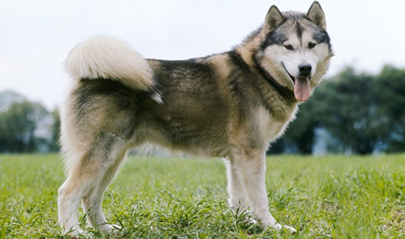 The Alaskan Malamute is a powerful, heavy-duty spitz-type dog, historically bred as a freight-carrying sled dog in the Arctic. Its name derives from the Mahlemut Inuit tribe, who developed the breed to haul heavy loads across Alaska’s Norton Sound region. Known as the “Freight Train of the North,” Malamutes were indispensable partners for survival, assisting in hunting seals and polar bears, transporting goods, and providing warmth in tribal shelters.
Frequently mistaken for Siberian Huskies, Malamutes are larger and more robust, designed for strength and endurance rather than speed. Their history as working dogs has shaped their physical abilities and behavioral traits, making them both highly capable and demanding companions.
Breed-Specific Traits and Temperament
Understanding the Malamute’s unique personality is essential for potential owners. They are highly intelligent but strong-willed and independent, combining loyalty, affection, and playfulness with a persistent “puppy-like charm” into adulthood. Their pack-oriented heritage means they require a confident, consistent leader to prevent dominance issues.
Key behavioral traits:
- Vocalizations: Rather than typical barking, Malamutes are vocal and expressive, often howling, making “woo-woo” sounds, or “singing.”
- Exercise Needs: Extremely active, requiring a minimum of two hours of vigorous daily exercise; without adequate stimulation, they may become destructive or overly vocal.
- Prey Drive: High prey drive requires caution around smaller animals and can contribute to same-sex aggression.
- Grooming: Their thick double coat protects them in freezing climates but leads to heavy seasonal shedding, requiring daily brushing to maintain coat health.
Health Needs and Veterinary Considerations
Expert veterinary care is critical, as Malamutes are predisposed to several hereditary health conditions, many of which are autosomal recessive. Responsible breeding and early detection are key to maintaining a healthy population.
Common health concerns include:
- Hip Dysplasia: Malformation of the hip joint that can lead to arthritis and reduced mobility; x-ray screening is essential for breeding dogs.
- Alaskan Malamute Polyneuropathy (AMPN): A neuromuscular genetic disorder causing weakness, muscle wasting, and a characteristic bunny-hopping gait; DNA testing identifies carriers and affected individuals.
- Day Blindness (Cone Degeneration): Sensitivity to bright light, causing difficulty seeing during the day while retaining night vision.
- Hypothyroidism: An underactive thyroid that can affect weight, skin, and energy levels.
- Gastric Dilation and Volvulus (GDV/Bloat): A life-threatening twisting of the stomach, most common in deep-chested breeds, requiring immediate veterinary attention.
To reduce these risks, the Alaskan Malamute Club of America mandates testing for hip dysplasia, polyneuropathy, and ocular phenotypes in breeding dogs. Owners are advised to maintain a balanced, protein-rich diet while monitoring weight, as their thick coat can easily conceal obesity. Early socialization and consistent, reward-based training provide the foundation for a healthy, well-adjusted companion.
2. History and Origins
The Alaskan Malamute is an ancient Arctic breed originating in Alaska’s Norton Sound region, where it was developed by the Mahlemut Inupiaq people. These dogs were indispensable partners for human survival, assisting in hunting polar bears and seals and providing warmth in tribal shelters during freezing nights. Bred to pull heavy sleds over vast, frozen landscapes, the Malamute earned the nickname “Freight Train of the North” for its exceptional strength and ability to haul freight over long distances.
The breed’s reputation for resilience grew during the 1896 Gold Rush, and Malamutes later participated in notable historical missions, including Admiral Byrd’s Antarctic expeditions and World War II search and rescue operations. Their physical and behavioral traits, honed over centuries, allowed them to thrive in extreme Arctic conditions.
The American Kennel Club (AKC) officially recognized the Alaskan Malamute in 1935, formalizing the preservation of the breed’s pure bloodlines and distinctive characteristics. While the sources do not explicitly mention the United Kennel Club (UKC), references frequently highlight the role of the Kennel Club (UK) and the importance of using Assured Breeders to maintain breed standards and promote health.
To endure harsh Arctic climates, Malamutes evolved several adaptive traits:
- Insulating Double Coat: A dense, woolly undercoat paired with a coarse, water-repellent outer layer protects against freezing temperatures.
- Immense Strength: Unlike Siberian Huskies, which were bred for speed, Malamutes prioritize power and substantial bone, enabling them to pull loads multiple times their own body weight.
- Specialized Features: Erect ears enhance alertness, and the well-furred plumed tail, carried over the back, provides both a majestic appearance and protection from the elements.
These adaptations, combined with their strong pack instincts and endurance, establish the Malamute as one of the most capable and iconic Arctic working breeds.
3. Physical Characteristics
Size and Sexual Dimorphism
Alaskan Malamutes are large, powerful dogs, with a standard height of 23 to 25 inches at the shoulder and a typical weight range of 75 to 85 pounds. The breed exhibits clear sexual dimorphism, with males generally larger and heavier than females. Adult males may reach 25 to 28 inches in height and weigh up to 85 pounds, while females typically measure 23 to 25 inches and weigh between 65 and 75 pounds. Some Malamutes from working lines can surpass these dimensions, reaching weights of up to 100 pounds, emphasizing the breed’s capacity for heavy-duty work.
Coat Types and Seasonal Shedding
The Alaskan Malamute is equipped with a specialized thick double coat adapted for survival in Arctic climates. This coat consists of:
- A soft, dense, woolly undercoat that provides insulation.
- A straight, harsh, water-repellent outer coat that stands off from the body and protects against moisture and wind.
Due to this dense coat, Malamutes are heavy shedders year-round. They also experience pronounced seasonal shedding twice annually—spring and autumn—commonly referred to as “blowing” the undercoat. During these periods, daily or even twice-daily brushing is necessary to manage loose fur and prevent matting.
Recognizable Markings and Differences from Huskies
Distinctive physical features set Malamutes apart from other sled dogs:
- Tail: A well-furred, plumed tail carried over the back, both functional for warmth and aesthetically striking.
- Head and Ears: Erect, triangular ears, a broad head, and almond-shaped eyes contribute to an alert and expressive appearance.
- Coat Colors and Markings: Coat colors include gray, black, sable, and red, always featuring white markings on the face, legs, and underbelly.
While often confused with Siberian Huskies, Malamutes are larger, more solid, and more robust. They possess substantial bone and muscular build, reflecting their specialization in strength and endurance for hauling heavy loads, whereas Huskies are generally lighter, more streamlined, and optimized for speed. As the largest of the sled dog breeds, Malamutes have a broader and heavier frame, emphasizing raw power over agility.
4. Temperament and Behavior
Temperament Overview
The Alaskan Malamute exhibits a complex personality that balances deep affection with a formidable “iron will.” Loyal and playful, they are devoted companions, yet their history as independent workers has instilled a strong-willed and stubborn nature, which can be challenging for inexperienced owners. Highly intelligent, Malamutes often demonstrate a “what’s in it for me” attitude, choosing to ignore commands if they do not perceive a clear benefit or if their leader is inconsistent. Their occasional disobedience is not a sign of poor intelligence but rather a reflection of their independent streak and need for structured guidance within a “pack.”
Exercise and Physical Stimulation
Maintaining both physical and mental wellbeing requires at least two hours of vigorous daily exercise. Malamutes thrive when given purposeful tasks that channel their ancestral drive to work. Recommended activities include:
- Hiking and Jogging: Ideal partners for long-distance treks, provided they are safely leashed.
- Sledding and Skijoring: Participating in sledding, even off-season, satisfies their natural desire to pull.
- Cart-Pulling and Weight Pulling: Using carts in summer or competing in weight-pulling contests engages their strength effectively.
- Mental Enrichment: Puzzle toys, obedience training, and brain games are essential for maintaining cognitive stimulation.
Vocalizations and Instincts
Malamutes are highly vocal, though they rarely bark traditionally. Instead, they communicate using howls, “singing,” and “woo woo” sounds, and may even respond to sirens. They also retain a strong prey drive, a legacy of their hunting ancestry, which makes supervision around smaller animals essential. Mature Malamutes may demonstrate same-sex aggression and often attempt to assert dominance within multi-dog households.
Behavioral Management Strategies
Without proper physical and mental engagement, Malamutes can become destructive, targeting furniture, gardens, or household items. Effective management strategies include:
- Digging Prevention: Malamutes are expert diggers, capable of creating substantial holes; burying chicken wire at fence bases can help prevent escapes.
- Secure Containment: They view fences as challenges rather than barriers, so a tall, reinforced fence is necessary to prevent roaming.
- Consistent Training: Reward-based training from an early age establishes boundaries. Techniques such as “Nothing in Life is Free” (NILF) reinforce the owner’s leadership by requiring the dog to earn resources through obedience.
5. Nutrition and Diet
A balanced, protein-rich diet is essential to support the Alaskan Malamute’s highly active lifestyle and maintain its substantial muscle mass. Providing high-quality, nutrient-dense food ensures optimal health, energy, and overall wellbeing.
Weight Management
Maintaining an ideal weight is critical, as obesity can exacerbate hereditary conditions such as hip dysplasia and hypothyroidism. Malamutes’ thick double coat can easily conceal excess weight, so owners should regularly palpate the ribs to accurately assess body condition.
Growth and Skeletal Health
For growing puppies, feeding a large-breed growth formula helps regulate growth rate, potentially reducing the risk of joint disorders in adulthood. Supplementing with joint-support nutrients and incorporating low-impact exercise further promotes healthy skeletal development, particularly in dogs predisposed to hip or joint issues.
Hydration Guidelines
Active Malamutes require constant access to fresh water, but owners should prevent rapid ingestion immediately after heavy exercise to minimize digestive complications.
Bloat Prevention (Gastric Dilation and Volvulus, GDV)
As a deep-chested breed, Malamutes are particularly susceptible to bloat, a potentially fatal condition where the stomach twists, cutting off blood supply. To reduce risk:
- Meal Frequency: Divide daily food into two to three smaller meals instead of one large portion.
- Slow Feeding: Use slow-feeding bowls to prevent rapid consumption.
- Exercise Timing: Allow at least one hour after eating before engaging in strenuous activity.
- Bowl Placement: Position bowls directly on the floor, minimizing risk factors associated with elevated feeding.
By adhering to these dietary guidelines, owners can support muscle maintenance, skeletal health, and digestive safety, ensuring that the Malamute remains strong, healthy, and active throughout its life.
6. Exercise and Enrichment
As an exceptionally high-energy breed developed to haul freight over long distances, the Alaskan Malamute requires substantial daily activity to maintain both physical fitness and mental wellbeing. They are best suited to very active households that can incorporate them into regular family adventures.
Daily Heavy Exercise Requirements
Malamutes need a minimum of two hours of vigorous exercise daily, significantly more than many other large breeds. Recommended activities include:
- Stamina-Based Workouts: Long walks, hiking, and jogging are ideal once the dog reaches full physical maturity.
- Structured Outdoor Time: Free-roaming in a securely fenced yard allows safe running and play, helping release pent-up energy.
- Environmental Considerations: Their thick double coat is well-adapted to cold climates; heavy exercise in hot weather should be limited to prevent overheating.
Mental Stimulation and Enrichment
Due to their high intelligence and working heritage, Malamutes require cognitive challenges alongside physical activity. Insufficient mental stimulation can result in destructive behaviors and mischief. Recommended enrichment includes:
- Brain Puzzles and Toys: Interactive toys that challenge problem-solving skills help occupy them during short periods of isolation.
- Training as Enrichment: Consistent, reward-based training sessions stimulate their minds and reinforce boundaries, catering to their pack-oriented nature.
- Social Interaction: They thrive on companionship with their “human pack” and may become bored or mischievous if ignored.
Suggested Activities
To engage both their physical strength and cognitive abilities, structured activities should tap into the breed’s working heritage:
- Obedience Training: Continuous positive reinforcement training is crucial for managing their independent and sometimes stubborn disposition.
- Weight Pulling and Sledding: Malamutes excel in pulling sleds or carts. Many clubs provide opportunities for sledding without snow, combining mental and physical enrichment.
- Scent Games and Exploration: Their natural curiosity and intelligence make them ideal candidates for tracking, exploration, and scent-based activities.
- Backpacking and Outdoor Sports: Their endurance and power suit them for backpacking, hiking, and camping, making them excellent outdoor companions.
Because of their strong prey drive and independent streak, Malamutes should remain on a lead during exercise unless in a secure, escape-proof environment.
7. Grooming and Coat Care
The Alaskan Malamute’s thick double coat—comprising a soft, insulating undercoat and a coarse, water-repellent outer layer—requires consistent and thorough maintenance. Due to year-round shedding, this breed is not ideal for fur-allergic owners or those who prefer low-maintenance pets.
Brushing and Coat Maintenance
Proper grooming is essential for both comfort and coat health:
- Daily Brushing: Regular brushing is highly recommended to manage constant shedding and prevent mats, with increased frequency during shedding seasons.
- Seasonal Shedding (“Blowing”): Malamutes undergo intense shedding in spring and autumn, often requiring brushing twice daily to handle the volume of loose undercoat.
- Recommended Tools:
- Pin Brush: Ideal for general grooming.
- Comb: Essential for delicate areas and mat prevention.
- Deshedding Tool: Effective during seasonal blows to remove loose undercoat efficiently.
- Benefits: Frequent grooming distributes natural oils, promoting a healthy, shiny coat and minimizing skin irritation.
General Hygiene and Professional Care
Comprehensive grooming goes beyond coat maintenance:
- Professional Grooming: Recommended every six months to maintain coat quality and manage dense fur effectively.
- Nail Trimming: Essential to prevent pain and mobility issues caused by overgrown nails.
- Dental Care: Routine brushing with pet-safe toothpaste helps prevent periodontal disease and supports overall health.
- Ear Cleaning: Regular ear care reduces the risk of infections.
- Bathing and Temperature Management: While bathing is important, owners should exercise caution in warm weather. Malamutes are sensitive to overheating, so it is best to bathe them in cooler conditions or keep them indoors during high temperatures.
8. Breed-Related Diseases
While the Alaskan Malamute is generally a robust and resilient breed, it is predisposed to several hereditary and acquired health conditions. Early recognition, preventive care, and responsible breeding are essential to safeguard their health and longevity.
Common Hereditary Conditions
Condition | Description | Screening / Prevention | Management |
Hip Dysplasia | Malformation of the hip joint leading to arthritis and reduced mobility | X-ray screening via BVA/Kennel Club Hip Dysplasia Scheme; large-breed growth diet for puppies | Joint supplements, weight management, surgery in severe cases |
Alaskan Malamute Polyneuropathy (AMPN) | Autosomal recessive neuromuscular disease causing peripheral nerve damage, progressive muscle wasting, and “bunny hopping” gait | DNA testing to identify carriers and affected dogs | Symptomatic care: physical therapy, supportive management; no cure |
Hypothyroidism | Underactive thyroid affecting metabolism, energy, skin, and coat | Annual thyroid function testing | Daily thyroid hormone supplementation and monitoring |
Day Blindness (Cone Degeneration) | Sensitivity to bright light (hemeralopia), vision impaired during daylight | Genetic/blood screening before breeding | Avoidance of bright light; management mainly preventive |
Cataracts | Clouding of the lens, leading to blindness | Annual eye exams and phenotype screening | Surgical removal to restore vision |
Bloat (Gastric Dilation and Volvulus, GDV) | Life-threatening twisting of the stomach, cutting off blood supply | Preventive measures: multiple small meals, slow feeders, avoid exercise immediately after meals | Emergency veterinary intervention required |
Infectious Diseases | Susceptible to parvo, distemper, rabies, and other bacterial/viral infections | Routine vaccination and boosters | Supportive care as needed |
Key Preventive Measures
- Early Veterinary Care: Puppies should be examined by a veterinarian soon after adoption to establish a preventive care regimen.
- Responsible Breeding: Purchase from Kennel Club Assured Breeders who perform mandatory health screenings and DNA testing to minimize hereditary conditions.
- Nutrition and Exercise: Proper diet, controlled growth, and adequate exercise support musculoskeletal and metabolic health.
- Routine Monitoring: Annual veterinary exams, dental care, and eye/thyroid evaluations are recommended for early detection of age-related or breed-specific conditions.
9. Breeding and Reproduction
Responsible Breeding and Ethical Considerations
Ethical breeding of the Alaskan Malamute prioritizes the preservation of the breed’s health, temperament, and physical integrity. Prospective owners are strongly encouraged to acquire puppies exclusively from Kennel Club Assured Breeders, who adhere to higher welfare standards and conduct mandatory health testing. Conversely, puppy mills, pet stores, and online sellers often prioritize profit over animal welfare, and should be avoided.
Responsible breeders demonstrate their commitment by:
- Transparency: Providing detailed medical histories and health clearances of both parents and grandparents.
- Temperament Selection: Prioritizing stable, well-adjusted temperaments to reduce risks of aggression or anxiety.
- Selective Breeding for Health: Choosing breeding pairs with hip scores below the breed median to minimize the incidence of hip dysplasia.
- Community Integrity: Sharing information on hereditary conditions with other breeders to curb the spread of genetic defects and ensure the long-term viability of the breed.
Health Screening and Genetic Testing
Many Malamute health conditions are autosomal recessive, meaning a dog can appear healthy while carrying a gene that can be passed to offspring. Therefore, DNA testing and clinical screening are essential for all breeding stock.
The Alaskan Malamute Club of America (AMCA) requires:
- Hip Dysplasia: X-ray screening through recognized schemes such as the BVA/Kennel Club; minimum submission age: 1 year.
- Eye Abnormalities: Annual screenings for phenotype abnormalities, including cataracts.
- Alaskan Malamute Polyneuropathy (AMPN): DNA testing for the G>T mutation in the NDRG1 gene, classifying dogs as clear, carrier, or affected.
Additional recommended but optional screenings include:
- Elbow Dysplasia
- Cardiac Disease
- Thyroid Disease
- Cone Degeneration
A firm ethical rule: affected Malamutes should never be used for breeding.
Gestation, Neonatal Screening, and Litter Care
Although gestation length is not explicitly stated in the sources, breeders must pay close attention to early development and screening:
- Chondrodysplasia Screening: Puppies can be evaluated for this form of dwarfism via x-rays between 5–12 weeks of age.
- Day Blindness (Cone Degeneration): Symptoms, such as bumping into objects in bright light, typically appear around 7–8 weeks and disappear at night.
- Polyneuropathy Monitoring: Clinical signs, including rear-leg weakness or the “bunny hopping” gait, may appear as early as 3 months.
- Early Socialization: Exposure to people, animals, and various environments during the critical puppy stage fosters a well-mannered adult.
- Veterinary Care: A full veterinary check-up immediately after adoption is recommended to establish preventive health measures.
- Reproduction Control: Veterinarians generally advise neutering around 6 months of age, though timing should be tailored to the individual dog and discussed with a professional.
10. Training and Socialization
Early Socialization
Training and socialization should begin as early as possible, as Malamute puppies are highly inquisitive and learn quickly during this critical developmental period. Early exposure to a variety of people, other animals, and environments is essential to cultivate confidence, adaptability, and well-mannered behavior.
Well-socialized Malamutes typically interact friendly and cooperatively with other dogs and humans. However, owners should remain aware that, as adults (around two to three years), they may exhibit same-sex aggression or assert a desire to become the dominant dog in the household if boundaries are not consistently maintained.
Training Methodology: Positive Reinforcement and Consistency
The most effective training approach for Alaskan Malamutes is reward-based and consistent. Key principles include:
- Positive Reinforcement: Using treats, praise, and interactive games to encourage desired behaviors.
- Engagement: Malamutes are highly intelligent but can be mischievous or independent, showing a “what’s in it for me” attitude. Training sessions should be creative, mentally stimulating, and varied to prevent boredom.
- Avoid Punishment: Physical punishment or harsh methods should never be used, as they are cruel and damage the crucial bond between owner and dog.
Consistency is critical. Without a confident and steady leader, a Malamute may quickly assume the pack leader role, leading to dominance issues.
Establishing Leadership and Preventing Dominance Issues
Malamutes thrive in households where they perceive structure and guidance. Recommended strategies include:
- “Nothing in Life is Free” (NILF): Requiring the dog to earn rewards—such as food, attention, or toys—through obedience reinforces boundaries and fosters respect.
- Clear Boundaries: Owners must define acceptable behavior early, consistently enforcing rules while maintaining a kind but firm demeanor.
- Professional Support: Due to the breed’s intelligence, strength, and independent streak, first-time owners may find them challenging. Enrolling in formal obedience classes or consulting an accredited dog trainer is highly advised to ensure proper leadership and training techniques.
By combining early socialization, reward-based training, and consistent leadership, owners can raise a well-adjusted, confident, and cooperative Alaskan Malamute that thrives within the household and community.
11. Living with an Alaskan Malamute
Home Environment
Alaskan Malamutes are high-energy, intelligent, and independent dogs that require a secure and stimulating home environment:
- Fenced Yard: A high, escape-proof fence is essential, as Malamutes are expert diggers and climbers.
- Indoor Stimulation: When indoors, provide interactive toys, puzzle feeders, and regular training exercises to prevent boredom-related destructive behaviors.
- Environmental Enrichment: Daily walks, exploration, and mentally challenging games are crucial for a healthy, happy Malamute.
Family Compatibility
Malamutes can form deep bonds with their human families and are known for their affectionate and loyal nature. Key considerations include:
- Children: Generally compatible with children, especially when raised together. Supervision is recommended, as their size and strength can unintentionally knock over small children during play.
- Other Pets: Due to their high prey drive, caution is advised around small animals. Proper early socialization improves tolerance, but Malamutes may show same-sex aggression or attempt to dominate other dogs.
- Pack-Oriented Behavior: They thrive on social interaction and may become bored or mischievous if left alone for long periods.
Travel, Climate Adaptation, and Indoor Life
- Climate Sensitivity: Malamutes have a thick double coat suited for cold weather. They tolerate freezing temperatures well but are prone to overheating in warm climates. Limit travel and outdoor activities in hot weather, and cool shelter must always be available.
- Indoor Life: While adaptable to indoor living, they require ample space and daily enrichment to expend energy. A small apartment without sufficient exercise is generally unsuitable.
- Travel and Outdoor Adventures: Malamutes enjoy long hikes, camping, and sledding activities. Owners should always ensure secure leashing or containment in open areas due to their independent nature and strong prey drive.
By providing a structured, enriched, and climate-appropriate living environment, owners can ensure their Alaskan Malamute remains healthy, engaged, and well-adjusted while integrating safely and happily into family life.
12. Conclusion
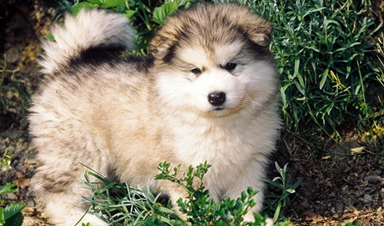 The Alaskan Malamute is an ancient Arctic breed that originated with the Mahlemut Inupiaq people of Norton Sound, serving as essential partners for survival by hauling heavy freight and hunting large game. Often called the “Freight Train of the North,” their history is defined by immense power and endurance, traits that saw them play pivotal roles in the Alaska Gold Rush, Antarctic explorations, and World War II search and rescue missions. Their temperament is a unique blend of dignified loyalty and a playful “puppy-like charm,” but they also possess a formidable “iron will” and independent streak, requiring a consistent leader who understands their strong pack mentality.
Caring for a Malamute requires an active lifestyle, high maintenance, and close attention to breed-specific health risks. They demand a minimum of two hours of heavy daily exercise, specialized double-coat grooming, and a protein-rich diet with strict weight management to support musculoskeletal health.
From a veterinary perspective, hereditary conditions such as Alaskan Malamute Polyneuropathy (AMPN) and Day Blindness (Cone Degeneration) can now be detected via DNA testing using PCR technology, enabling early identification of carriers and affected dogs. Additionally, the breed’s susceptibility to infectious diseases such as parvovirus, distemper, and rabies can be efficiently monitored and diagnosed using the Qmini real-time PCR analyzer (Qmini PCR), which provides rapid, sensitive, and accurate detection of pathogenic DNA or RNA in clinical samples.
By integrating Qmini PCR testing into routine preventive care, veterinarians and breeders can make informed decisions, ensuring that puppies are healthy and free from hereditary or infectious risks. Responsible ownership, combined with PCR-guided monitoring, early socialization, structured exercise, and veterinary oversight, allows Alaskan Malamutes to thrive as healthy, loyal, and long-lived companions, while minimizing genetic and infectious threats.
Alaskan Malamute Club of America. (2022, March 23). Parent club health statement. https://www.alaskanmalamute.org
Alaskan Malamute Club of America. (2023). Polyneuropathy. https://www.alaskanmalamute.org
Alaskan Malamute Club, Victoria Inc. (n.d.). Dayblindness in Alaskan Malamutes. https://www.amcvic.org
American Kennel Club. (n.d.). Alaskan Malamute dog breed information. https://www.akc.org/dog-breeds/alaskan-malamute/
Animal Health Center. (n.d.). Best vet hospital in Rochester, NH. https://animalhealthcenternh.com/client-resources/breed-info/alaskan-malamute/
Kit Copson (2025, November). Alaskan Malamute Dog Breed: Info, Pictures, Facts & History https://www.yourpurebredpuppy.com/health/alaskanmalamutes.html
Bourns, K. (1968, March). Day-blindness. Minnesota Malamute Club. Originally published in Dogs in Canada.
British Veterinary Association. (2022, May). British Veterinary Association/Kennel Club hip dysplasia scheme – Procedure rules and regulations. https://www.bva.co.uk
Copson, K. (2025, November 24). Alaskan Malamute dog breed: Info, pictures, facts & history – Dogster. https://www.dogster.com/dog-breeds/alaskan-malamute
Embrace Pet Insurance. (2025, January 8). Alaskan Malamute | Explore the world of Alaska Malamute puppies & dogs. https://www.embracepetinsurance.com/dog-breeds/alaskan-malamute
Greyhound Welfare & Integrity Commission. (n.d.). Fact sheet – Gastric dilation and volvulus. https://www.gwic.org
PDSA. (n.d.). Alaskan Malamute breed information. https://www.pdsa.org.uk/pet-help-and-advice/looking-after-your-pet/puppies-dogs/large-dogs/alaskan-malamute
Reddit. (2026). Differences between sub husky and Malamutes? r/AlaskanMalamute. https://www.reddit.com/r/AlaskanMalamute
VCA Animal Hospitals. (n.d.). Alaskan Malamute. https://vcahospitals.com/know-your-pet/dog-breeds/alaskan-malamute