
Table of Contents
1. Introduction
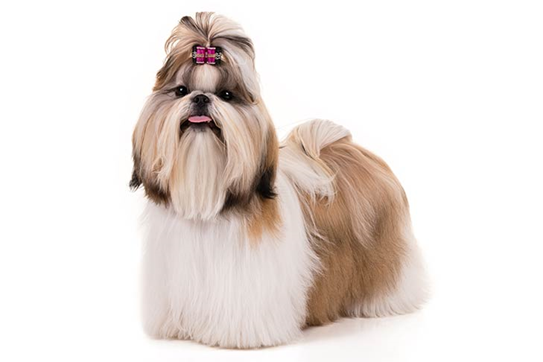 The Shih Tzu is a small toy breed dog whose identity is inseparable from its role as a dedicated human companion. Often described as lively, affectionate, intelligent, and socially confident, the breed has been selectively developed for proximity to people rather than for functional tasks such as hunting or guarding. While many Shih Tzus display a sweet and playful disposition, behavioral expression varies among individuals, and some may exhibit fearfulness, excessive vocalization, stubbornness during training, or anxiety-related behaviors. As with all breeds, temperament reflects the interaction between genetics, early socialization, and environment.
Historical Legacy: The “Lion Dog” and Buddhist Symbolism
Although most commonly associated with imperial China, historical and genetic evidence suggests that the Shih Tzu likely originated in Tibet, where it was developed through crosses between the Lhasa Apso and Pekingese. The breed’s name translates to “lion dog,” referencing its resemblance to lions depicted in traditional Buddhist and Chinese art.
Within Buddhist mythology, legend holds that Buddha was accompanied by a small lion dog capable of transforming into a powerful protector when danger arose. A distinctive white patch of hair on the crown of the head—often called the “Star of Buddha” or “Buddha’s kiss”—is traditionally believed to mark the spot where Buddha blessed the dog for its courage.
The breed’s modern genetic landscape is shaped by a significant historical bottleneck. During the Chinese Communist Revolution in 1949, Shih Tzus were nearly eradicated due to their association with wealth and aristocracy. Consequently, all modern Shih Tzus descend from only 13–14 dogs exported to England and Scandinavia between 1928 and 1952, a fact that continues to influence inherited disease prevalence today.
Temperament and Behavioral Expression
The Shih Tzu is best understood as a pure companion breed, bred specifically for human interaction. Unlike working dogs, its behavioral priorities center on proximity, attention, and emotional engagement.
Historically used as alert dogs in royal households, Shih Tzus retain a tendency toward sharp, sudden barking to signal the arrival of visitors. Without early training, this trait may develop into excessive vocalization. Despite high intelligence and responsiveness, the breed is known for a stubborn streak, making house training more challenging than in some other toy breeds.
Their intense attachment to owners predisposes many Shih Tzus to separation anxiety, manifested as clinginess, distress vocalization, or destructive behaviors when left alone. Socially, they are typically trusting and confident, often approaching unfamiliar people and animals without hesitation.
Physical Nuances and Grooming Requirements
The Shih Tzu’s long, flowing coat is not merely cosmetic but represents a significant welfare consideration. Unlike fur, the breed’s coat more closely resembles human hair, growing continuously without seasonal shedding. As a result, daily brushing and regular professional grooming are essential to prevent painful matting.
Matting most commonly develops in friction zones, including behind the ears, beneath the collar or harness, in the axillary region, and around the groin. Failure to maintain coat hygiene can lead to skin inflammation, infection, and chronic discomfort.
Adult Shih Tzus typically weigh 4–7.5 kg (9–17 lbs). Despite their compact and sturdy appearance, they are physically fragile and susceptible to injury from falls or repeated jumping from elevated surfaces such as furniture.
Critical Health and Welfare Priorities
The Shih Tzu’s brachycephalic conformation underlies several breed-specific health risks that require proactive management.
|
Category |
Primary Concerns and Clinical Implications |
|
Respiratory |
Brachycephalic Obstructive Airway Syndrome (BOAS) is characterized by narrowed nostrils, elongated soft palate, and a narrow trachea. Impaired airflow significantly increases the risk of heat intolerance and heatstroke, as effective panting is compromised. |
|
Ophthalmological |
Shallow orbits and prominent globes predispose the breed to keratoconjunctivitis sicca (dry eye), corneal ulcers, cataracts, glaucoma, and proptosis. Ulcerative keratitis is among the most frequently diagnosed ophthalmic conditions in Shih Tzus. |
|
Dental |
Shortened jaws lead to dental overcrowding, promoting plaque retention, periodontal disease, and early tooth loss if preventive dental care is not maintained. |
2. Breed Characteristics and Lifestyle Considerations
The Shih Tzu is fundamentally defined by its role as a pure companion breed, with behavioral traits that are closely intertwined with its physical structure and emotional needs. While the breed is adaptable to a wide range of living environments, including apartments and urban settings, its distinctive anatomy necessitates intentional lifestyle management to prevent avoidable morbidity and welfare compromise.
Exercise and Activity Profile
Shih Tzus are moderately active dogs that benefit from regular, low-impact physical activity rather than intense or prolonged exertion.
- Recommended Activity Level: A healthy adult Shih Tzu typically benefits from one to two daily walks, each lasting approximately 20–30 minutes at a comfortable pace. Many individuals remain well-conditioned with a single 30-minute walk supplemented by indoor play.
- Airway Protection: Due to the breed’s delicate tracheal anatomy, the use of a well-fitted harness rather than a neck collar is strongly recommended to minimize pressure on the airway and reduce the risk of tracheal irritation or collapse.
- Indoor Enrichment: During periods of extreme weather or poor air quality, indoor activities such as low-impact fetch, puzzle feeders, and scent-based enrichment tools (e.g., snuffle mats) provide adequate physical movement while supporting cognitive stimulation.
Heat Sensitivity and Brachycephalic Risk
The Shih Tzu’s brachycephalic (flat-faced) conformation has profound implications for thermoregulation and respiratory efficiency.
- Impaired Heat Dissipation: Shortened nasal passages and reduced airway diameter limit effective panting, the primary mechanism by which dogs dissipate heat. As a result, Shih Tzus expend greater respiratory effort to cool themselves and are prone to rapid overheating.
- Environmental Timing: Outdoor activity should be restricted to early morning or late evening, avoiding peak heat periods between 10:00 AM and 5:00 PM, even in temperate climates.
- Humidity Considerations: Elevated humidity further compromises evaporative cooling and increases airway resistance. Under such conditions, even brief walks may precipitate respiratory distress, heat exhaustion, or collapse, particularly in dogs with underlying airway abnormalities.
Social Interaction and Behavioral Welfare
Behaviorally, the Shih Tzu is deeply oriented toward human companionship and emotional proximity.
- Companion Dependency: Often described as “shadow dogs,” Shih Tzus commonly follow their owners throughout the home and display discomfort when socially isolated.
- Separation Anxiety Risk: Their strong attachment predisposes them to separation anxiety, which may manifest as vocalization, destructive behavior, or inappropriate elimination if independence is not gradually and positively reinforced.
- Alert Vocalization: Historically used as alert dogs within imperial households, Shih Tzus may vocalize in response to unfamiliar sounds or movement. Without early socialization and behavioral guidance, this tendency can evolve into excessive or inappropriate barking.
Physical Features and Associated Medical Risks
The breed’s hallmark physical traits—long hair, pendulous ears, and prominent eyes—require consistent maintenance to prevent secondary disease.
|
Physical Feature |
Primary Medical Risk |
Required Preventive Care |
|
Continuously Growing Coat |
Matting that traps moisture and debris, leading to dermatitis and skin infection |
Daily brushing and professional grooming every 4–8 weeks |
|
Floppy, Hair-Filled Ear Canals |
Reduced ventilation and moisture retention, predisposing to recurrent otitis externa |
Routine ear cleaning with veterinarian-approved solutions; periodic hair management |
|
Facial Skin Folds |
Chronic moisture accumulation causing intertrigo, odor, and bacterial or yeast overgrowth |
Daily facial cleansing and thorough drying, particularly after meals |
|
Prominent, Bulbous Eyes |
Increased risk of corneal trauma and ulceration from hair contact or minor injury |
Maintaining hair in a secure topknot and monitoring for redness, discharge, or corneal opacity |
3. Dermatological Conditions and Allergic Disease
Atopy, or canine allergic dermatitis, represents one of the most prevalent and clinically challenging chronic conditions affecting the Shih Tzu. The breed demonstrates heightened immune reactivity, predisposing affected individuals to exaggerated inflammatory responses following exposure to environmental allergens—such as pollens, molds, dust mites, and mildew—as well as specific dietary antigens.
Due to the Shih Tzu’s dense coat, skin folds, and limited airflow across the skin surface, allergic inflammation is frequently compounded by secondary infections and prolonged disease courses if not adequately managed.
Clinical Signs and Presentation
Although the fundamental pathophysiology of atopy is consistent across breeds, its clinical expression in the Shih Tzu is strongly influenced by anatomical factors:
- Intense Pruritus: Persistent scratching, chewing, or licking is the hallmark clinical feature and often precedes visible skin lesions.
- Erythema and Inflammation: Affected areas commonly exhibit redness, irritation, and focal moist dermatitis (“hot spots”).
- Secondary Infections: Chronic inflammation and moisture retention predispose to secondary bacterial pyoderma and Malassezia yeast overgrowth, frequently accompanied by a strong musty or “cheesy” odor.
Alopecia and Skin Remodeling: Long-standing disease may result in hair loss, epidermal thickening (lichenification), increased seborrhea, and hyperpigmentation, reflecting chronic inflammatory change.
Commonly Affected Anatomical Sites
In Shih Tzus, allergic dermatitis tends to localize to regions characterized by friction, moisture, or reduced ventilation:
- Distal Limbs: Paws and interdigital spaces are frequent targets for excessive licking and chewing.
- Head and Ears: Facial pruritus is common, and pendulous ears predispose to allergic-triggered otitis externa.
Ventral Body and Skin Folds: The abdomen, axillae, facial folds, and tail base are recurrent sites of inflammation and infection.
Comprehensive Management Strategies
Atopic disease in the Shih Tzu is typically lifelong and requires a multimodal management approach tailored to disease severity, secondary complications, and owner compliance.
|
Management Strategy |
Clinical Rationale and Application |
|
Targeted Medical Therapy |
Immunomodulatory agents such as oclacitinib (Apoquel®) or lokivetmab (Cytopoint®) are commonly used to suppress pruritic signaling pathways. Corticosteroids or antimicrobials may be required during acute exacerbations. |
|
Dietary Elimination Trials |
Hydrolyzed-protein or novel-protein diets are employed for a minimum of 8–12 weeks to evaluate food-responsive dermatitis and reduce antigen exposure. |
|
Topical Therapy and Hygiene |
Regular bathing with medicated shampoos containing chlorhexidine, ketoconazole, or soothing agents (e.g., colloidal oatmeal) reduces microbial burden and removes surface allergens. |
|
Environmental Control |
Limiting exposure to known triggers, maintaining clean indoor environments, and minimizing contact with grasses or irritants can significantly reduce flare frequency. |
Diagnostic Considerations and Differential Diagnosis
Clinical signs of allergic dermatitis in Shih Tzus may closely resemble those of other systemic or parasitic diseases. Consequently, diagnosis by exclusion is essential.
Conditions that must be ruled out include:
- Endocrinopathies, particularly hypothyroidism, which can present with alopecia, seborrhea, and recurrent skin infections.
- Hyperadrenocorticism (Cushing’s disease), associated with thin skin, hair loss, and impaired immune defense.
- Parasitic dermatoses, such as demodicosis or flea allergy dermatitis, which may mimic or exacerbate allergic disease.
A structured diagnostic approach—combining dermatologic examination, cytology, skin scrapings, endocrine testing, and dietary trials—is critical for accurate diagnosis and effective long-term disease control.
4. Ear Disorders
Shih Tzus are statistically predisposed to ear disease, with otic disorders consistently ranking among the most frequently reported health issues in the breed. Although the overall prevalence may be lower than in some other brachycephalic breeds (e.g., French Bulldogs), ear health remains a major welfare concern due to the chronic, painful, and recurrent nature of these conditions when inadequately managed.
Otitis Externa
Otitis externa, defined as inflammation of the external ear canal, is the most common ear disorder diagnosed in Shih Tzus. The breed’s susceptibility is primarily driven by a combination of anatomical, dermatological, and immunological factors.
Key Biological Risk Factors
Several breed-specific traits contribute to the development of otitis externa:
- Pendulous Ear Conformation: The floppy (pendulous) ear pinnae restrict airflow into the ear canal, reducing natural ventilation.
- Continuous Hair Growth in the Ear Canal: Unlike many breeds, Shih Tzus exhibit ongoing hair growth within the external auditory canal, which traps debris and moisture.
- Moisture Retention: Limited airflow combined with dense hair creates a warm, humid microenvironment ideal for bacterial and fungal (yeast) proliferation, particularly Malassezia species.
Clinical Signs and Owner-Observed Changes
Early recognition of otitis externa is essential to prevent progression to chronic disease. Common signs include:
- Behavioral Indicators: Persistent head shaking, frequent scratching or rubbing of the ears, and signs of discomfort.
- Inflammatory Changes: Redness, swelling, and increased sensitivity or pain when the ear is handled. A healthy pale pink ear canal may progress to dark red or thickened tissue with chronic inflammation.
- Discharge and Odor: Accumulation of dark, waxy, or purulent discharge accompanied by a strong, unpleasant odor.
Triggers and Underlying Causes
In Shih Tzus, otitis externa is rarely a primary condition and is most often secondary to systemic or dermatologic disease:
- Allergic Disease (Atopy): Environmental allergies commonly manifest in the ears, face, and paws, making allergic otitis one of the most frequent presentations in the breed.
- Excess Moisture Exposure: Inadequate drying after bathing, swimming, or exposure to humid environments can precipitate infection.
- Secondary Infection and Immune Compromise: Chronic skin disease, endocrine disorders, or generalized immune dysfunction may predispose to recurrent bacterial or yeast infections extending into the ear canal.
Prevention and Long-Term Management
Preventive care and early intervention are critical in reducing recurrence and long-term discomfort:
- Routine Ear Hygiene: Regular cleaning with a veterinarian-approved ear cleanser using cotton balls or gauze helps remove debris and reduce microbial load. Cotton swabs (Q-tips) should be avoided due to the risk of canal trauma and debris impaction.
- Hair Management: Selective trimming or plucking of excessive ear canal hair may be recommended to improve ventilation, though this should be performed under veterinary guidance to avoid irritation.
- Veterinary Monitoring: Periodic otoscopic examinations are essential, particularly for dogs with known allergies or recurrent infections. This is especially important in senior Shih Tzus, where otitis may coexist with or mask age-related hearing loss.
5. Respiratory Disorders
Breathing Difficulties and Brachycephalic Obstructive Airway Syndrome (BOAS)
Brachycephalic Obstructive Airway Syndrome (BOAS) is a chronic, progressive respiratory disorder affecting Shih Tzus as a direct consequence of selective breeding for a shortened skull. In this conformation, the reduction in bony facial length is not accompanied by a proportional reduction in associated soft tissues, resulting in relative tissue overcrowding within the upper airway. This mismatch leads to persistent airflow resistance and increased respiratory effort throughout life.
Anatomical Components of BOAS
Although brachycephaly is the underlying driver, BOAS is characterized by a constellation of structural abnormalities that frequently coexist:
- Stenotic Nares: Narrowed nostrils that limit nasal airflow and increase inspiratory resistance.
- Elongated Soft Palate: Excessively long soft palate that overlaps the epiglottis, partially obstructing the laryngeal opening during respiration.
- Tracheal Hypoplasia: Congenital narrowing of the trachea, further increasing airflow resistance and respiratory workload.
- Secondary Airway Changes: Chronic negative pressure generated during breathing may lead to everted laryngeal saccules, tonsillar hypertrophy, and laryngeal collapse, all of which exacerbate obstruction over time.
These secondary changes often represent irreversible disease progression if early intervention is not undertaken.
Clinical Manifestations
The clinical expression of BOAS extends beyond visibly labored breathing and may involve multiple organ systems:
- Abnormal Respiratory Sounds: Including stertor (low-pitched snoring or snorting sounds) and stridor (high-pitched inspiratory noise), particularly during exertion or excitement.
- Gastrointestinal Signs: Increased respiratory effort often results in aerophagia, leading to flatulence, chronic gagging, regurgitation, or vomiting.
- Signs of Hypoxia: Cyanosis of the oral mucosa, exercise intolerance, and compensatory postures such as standing with elbows abducted to maximize thoracic expansion.
- Sleep-Disordered Breathing: Many affected Shih Tzus experience intermittent airway obstruction during sleep, including episodes of apnea, which may contribute to chronic fatigue and cardiovascular strain.
Thermoregulation and Heat-Related Risk
Efficient thermoregulation in dogs relies heavily on panting. In Shih Tzus, shortened nasal passages and reduced airflow severely compromise this mechanism. As a result, heat dissipation is markedly impaired, placing affected individuals at a heightened risk of heat exhaustion and heatstroke. Notably, life-threatening hyperthermia may occur during minimal exertion, emotional stress, or exposure to humid conditions.
Management and Preventive Strategies
Management of BOAS is centered on reducing respiratory workload, preventing secondary damage, and minimizing environmental stressors:
- Environmental Control: Physical activity should be restricted to cooler periods of the day, with avoidance of high temperatures and humidity.
- Equipment Selection: Use of a harness rather than a neck collar is essential to avoid external compression of the trachea.
- Weight Optimization: Maintaining a lean body condition is critical, as excess adipose tissue significantly worsens airway obstruction and respiratory effort.
- Surgical Intervention: Corrective procedures such as stenotic nares resection (rhinoplasty) and soft palate resection (palatoplasty) can substantially improve airflow. Early surgical intervention is associated with better long-term outcomes and reduced progression to secondary airway collapse.
- Anesthetic Risk Management: Shih Tzus with BOAS are at increased risk during anesthesia due to compromised airways. However, successful surgical correction can reduce anesthetic risk in subsequent procedures when appropriate protocols are followed.
6. Ophthalmic Disorders
The Shih Tzu’s characteristic large, prominent eyes represent one of the breed’s most significant welfare vulnerabilities. Their brachycephalic craniofacial conformation, combined with shallow orbital sockets, results in inadequate mechanical protection of the ocular surface. Consequently, Shih Tzus are among the dog breeds most predisposed to both inherited ophthalmic disease and trauma-related eye injury.
6.1 Common Ophthalmic Conditions
Ocular disease in the Shih Tzu is multifactorial, arising from anatomical exposure, eyelid abnormalities, and immune-mediated processes.
Ulcerative Keratitis (Corneal Ulcers)
Among all ophthalmic disorders affecting the breed, ulcerative keratitis is the most frequently diagnosed condition.
- Pathophysiology: Shih Tzus commonly exhibit lagophthalmos (incomplete eyelid closure) and macroblepharon (excessively large palpebral fissure), resulting in chronic corneal exposure and desiccation.
- Reduced Corneal Sensitivity: Brachycephalic dogs often have diminished corneal sensation, impairing the blink reflex and delaying recognition of injury.
- Clinical Consequences: Untreated corneal ulcers may progress rapidly to stromal melting, globe perforation, endophthalmitis, or permanent vision loss, representing a true ophthalmic emergency.
Additional Common Ophthalmic Disorders
Beyond corneal ulceration, several ocular conditions occur with increased frequency in the breed:
|
Condition |
Clinical Description |
|
Keratoconjunctivitis Sicca (KCS) |
A highly prevalent condition, often immune-mediated, characterized by reduced tear production, thick mucoid discharge, corneal dryness, and chronic inflammation. |
|
Entropion |
Most commonly medial canthal entropion, in which eyelid margins roll inward, causing constant corneal abrasion by hair. |
|
Distichiasis and Trichiasis |
Abnormal eyelash growth or misdirected facial hair rubbing against the ocular surface; caruncular trichiasis is particularly common. |
|
Glaucoma |
Shih Tzus have a documented genetic predisposition, including associations with the SRBD1 gene. Acute glaucoma presents with pain, corneal edema, ocular enlargement, and rapid vision loss. |
|
Cataracts |
May be age-related or hereditary, with earlier onset than in many breeds. Cataracts can induce secondary uveitis and progressive visual impairment. |
6.2 Critical Ophthalmic Emergency: Globe Proptosis
Due to shallow orbital anatomy, Shih Tzus are at a markedly elevated risk of globe proptosis, a condition in which the eyeball is displaced anteriorly and trapped by the eyelids.
- Triggering Events: Minor trauma, altercations with other animals, or excessive pressure applied to the neck—such as from choke collars or improper handling—can precipitate this condition.
- Clinical Urgency: Proptosis is a severe, painful emergency requiring immediate veterinary intervention. Surgical repositioning may be attempted, but enucleation is often necessary in cases of extensive optic nerve or extraocular muscle damage.
6.3 Preventive Ophthalmic Care
While not all ocular disease can be prevented, consistent management substantially reduces the risk of severe injury and disease progression:
- Harness Use: Shih Tzus should never be walked on a neck collar. Harnesses are essential to reduce the risk of airway compression and ocular trauma.
- Facial Grooming: Facial hair should be kept trimmed or secured in a topknot to prevent corneal irritation from stray hairs.
- Daily Hygiene: Regular cleaning of facial folds and the periocular area helps reduce moisture accumulation and bacterial contamination.
- Early Detection: Owners should monitor for squinting, corneal cloudiness, excessive tearing, redness, or behavioral signs of ocular pain and seek prompt veterinary evaluation.
Below is Section 7, edited into a formal, clinical, journal-style format aligned with the tone and structure of the preceding sections. Redundancy has been removed, data points clarified, and the focus kept on pathology, diagnosis, management, and breeding responsibility.
7. Musculoskeletal Disorders
Hip Dysplasia
Hip dysplasia in the Shih Tzu is a hereditary orthopedic disorder characterized by abnormal development of the coxofemoral (hip) joint, resulting in joint laxity, instability, and progressive degenerative change. Although hip dysplasia is more commonly associated with large-breed dogs, it represents a clinically relevant musculoskeletal concern in Shih Tzus and may significantly affect mobility and quality of life.
Prevalence and Risk Factors
Available radiographic and clinical data highlight several important epidemiological features of hip dysplasia in this breed:
- Incidence: Radiologic evaluation of suspected cases has identified an incidence rate of approximately 6.75% in Shih Tzus.
- Sex Predisposition: Male Shih Tzus are statistically more frequently affected than females, consistent with broader trends observed in canine orthopedic disease.
- Laterality: The condition most commonly presents as bilateral hip dysplasia, affecting both hip joints in nearly 90% of diagnosed cases.
- Genetic Influence: Hip dysplasia is primarily inherited; however, environmental modifiers—including excessive caloric intake, inappropriate calcium-phosphorus balance, and rapid growth during puppyhood—may influence disease expression and severity.
Disease Progression and Associated Complications
Hip dysplasia is a progressive condition, with clinical severity often increasing as degenerative changes accumulate:
- Joint Laxity and Subluxation: Poor acetabular coverage allows partial or complete displacement of the femoral head during weight-bearing.
- Degenerative Joint Disease: Chronic instability leads to osteoarthritis, characterized by cartilage erosion, osteophyte formation, and synovial inflammation.
- Functional Impairment: Affected dogs may exhibit exercise intolerance, difficulty rising or climbing stairs, reluctance to jump, or an abnormal gait pattern, including hopping or skipping during movement.
Diagnostic Evaluation and Clinical Management
Early recognition and intervention are critical for preserving joint function and minimizing pain:
- Diagnostic Imaging: Radiographic evaluation (X-rays) remains the diagnostic standard, with quantitative assessment tools such as the Norberg angle index used to evaluate joint congruity and severity.
- Clinical Monitoring: Routine orthopedic examinations and gait assessments are recommended beginning at approximately one year of age, particularly in dogs with a known familial risk.
- Medical Management: Conservative treatment strategies include weight management, non-steroidal anti-inflammatory drugs (NSAIDs), and adjunctive therapies such as omega-3 fatty acids, glucosamine, and chondroitin sulfate to support joint health.
- Surgical Intervention: In severe or refractory cases, surgical options may be considered to restore comfort and function, although these are less commonly pursued in small-breed patients.
Implications for Responsible Breeding
Given its genetic basis, hip dysplasia represents a critical consideration in breeding programs. Veterinary organizations and breed clubs strongly advocate for:
- Pre-breeding Screening: Radiographic hip evaluation of both sire and dam prior to mating.
- Transparency: Reputable breeders should provide documented hip scores or certification to prospective owners.
- Selective Breeding: Avoidance of breeding affected individuals is essential to reduce disease prevalence and improve long-term breed welfare.
8. Endocrine Disorders
Endocrine disorders in the Shih Tzu present a particular diagnostic challenge because their clinical signs frequently overlap with dermatological, behavioral, and metabolic conditions discussed in earlier sections. While these disorders are generally manageable, they almost invariably require lifelong medical therapy and structured monitoring to maintain disease control and quality of life.
8.1 Hypothyroidism
Hypothyroidism is one of the most commonly diagnosed endocrine disorders in adult dogs and occurs when the thyroid gland fails to produce adequate amounts of thyroxine (T4), a hormone essential for regulating metabolism. In approximately 95% of canine cases, hypothyroidism results from immune-mediated destruction of the thyroid gland (lymphocytic thyroiditis) or idiopathic glandular atrophy.
Clinical Manifestations
The clinical presentation in Shih Tzus often evolves gradually and may be mistaken for aging or chronic skin disease:
- Dermatological Changes: Symmetrical alopecia is common, particularly affecting the lateral trunk, neck, and tail, often producing a characteristic “rat tail” appearance. The skin may become dry, scaly, oily, or markedly hyperpigmented, with recurrent secondary infections.
- Metabolic and Behavioral Signs: Reduced activity levels, exercise intolerance, cold sensitivity, and progressive weight gain without increased caloric intake are typical.
- Facial and Neurological Features: Accumulation of dermal mucopolysaccharides can cause facial thickening, resulting in a dull or “tragic” facial expression. In advanced or long-standing cases, peripheral neuropathy may develop, manifesting as generalized weakness, proprioceptive deficits, or a stiff, abnormal gait.
Diagnosis and Treatment
Diagnosis requires thyroid-specific laboratory testing, typically including:
- Total T4
- Free T4 (by equilibrium dialysis)
- Thyroid-stimulating hormone (TSH)
The cornerstone of treatment is lifelong oral supplementation with synthetic sodium levothyroxine. Medication is usually administered once or twice daily, ideally on an empty stomach to optimize absorption. With appropriate dosing and periodic monitoring, most Shih Tzus demonstrate marked clinical improvement and maintain a normal lifespan.
8.2 Hyperadrenocorticism (Cushing’s Disease)
Hyperadrenocorticism, commonly referred to as Cushing’s disease, is a prevalent endocrine disorder in Shih Tzus characterized by chronic excess cortisol production. In approximately 80–85% of cases, the disease is pituitary-dependent, resulting from a functional pituitary adenoma that overstimulates the adrenal glands. Less commonly, cortisol excess arises from an adrenal tumor.
Clinical Presentation
Because cortisol affects multiple organ systems, the disease produces a broad and often insidious constellation of signs:
- Polyuria and Polydipsia: Marked increases in water intake and urine output are frequently the earliest indicators.
- Polyphagia: Dogs often exhibit an exaggerated, persistent appetite.
- Body Conformation Changes: Progressive abdominal muscle weakness and hepatomegaly result in a characteristic pot-bellied appearance.
- Dermatological Deterioration: The skin becomes thin and fragile, hair regrowth is poor following clipping, and recurrent bacterial or yeast infections are common.
- Respiratory Signs: Excessive, unexplained panting occurs even at rest and is a common owner complaint.
Diagnosis and Long-Term Management
Because clinical signs develop gradually, hyperadrenocorticism is frequently misattributed to normal aging. Diagnosis relies on a combination of clinical suspicion and endocrine testing, including ACTH stimulation or low-dose dexamethasone suppression tests.
Management is typically medical rather than surgical and requires sustained oversight:
- Pharmacologic Therapy: Medications such as trilostane (Vetoryl®) are used to inhibit cortisol synthesis; selegiline may be considered in select pituitary-dependent cases.
- Monitoring Requirements: Frequent blood testing is essential during treatment initiation and dose adjustments to avoid adrenal insufficiency and ensure therapeutic efficacy.
Diagnostic Overlap and Clinical Caution
Many endocrine disorders in Shih Tzus produce signs that closely resemble allergic dermatitis, chronic otitis, or recurrent skin infections. Failure of dermatologic disease to respond to conventional allergy management should prompt evaluation for underlying endocrine pathology.
9. Importance of Preventive Care and Veterinary Monitoring
Preventive care in the Shih Tzu is not optional but clinically essential, as the breed’s conformation and genetic background predispose it to multisystem disease involving the respiratory, ocular, dermatological, endocrine, and musculoskeletal systems. Many of these conditions are chronic, progressive, and interrelated; therefore, early detection and continuous monitoring are critical to reducing cumulative disease burden and preserving long-term quality of life.
Structured Veterinary Monitoring Schedule
Routine veterinary examinations enable early identification of disease processes that may progress insidiously, such as brachycephalic airway compromise, endocrine dysfunction, or degenerative joint disease.
- Adult Dogs (1–9 years): A minimum of one comprehensive physical examination annually, including evaluation of body condition, airway function, ocular health, skin integrity, and orthopedic status.
- Senior Dogs (≥10 years): Shih Tzus are generally considered geriatric by age 10, though individuals with pre-existing disease may reach this stage earlier (8–9 years). These dogs benefit from biannual geriatric assessments.
- Advanced Diagnostic Screening: Senior wellness evaluations should include complete blood count, serum biochemistry, urinalysis, and—when clinically indicated—diagnostic imaging (radiography or ultrasonography) to detect subclinical cardiac, hepatic, renal, or musculoskeletal disease.
Core Pillars of Preventive Care
|
Preventive Domain |
Clinical Importance |
|
Weight Management |
Critical to disease prevention. Obesity exacerbates brachycephalic airway obstruction, increases cardiovascular strain, and accelerates orthopedic degeneration, including intervertebral disc disease (IVDD) and osteoarthritis. |
|
Professional Grooming |
Medically necessary. The Shih Tzu’s continuously growing hair does not self-shed. Without professional grooming every 4–8 weeks and daily brushing, matting promotes moisture retention, dermatitis, and secondary bacterial or yeast infections. |
|
Ophthalmic Surveillance |
Early detection of redness, discharge, corneal clouding, or squinting is essential. Preventive strategies include securing facial hair away from the eyes and using a harness rather than a collar to reduce the risk of corneal ulcers and globe proptosis. |
|
Ear and Dental Hygiene |
Regular ear cleaning reduces the incidence of otitis externa in floppy, hair-filled ear canals. Daily tooth brushing is strongly recommended, as dental overcrowding accelerates periodontal disease, which is associated with systemic cardiac and renal complications. |
Environmental and Lifestyle Management
The Shih Tzu’s brachycephalic anatomy severely limits effective thermoregulation and mechanical resilience, necessitating targeted environmental control.
- Heat Stress Prevention: Physical activity should be restricted to cooler periods of the day (before 10:00 AM or after 5:00 PM). Access to a climate-controlled indoor environment is essential, particularly in warm or humid climates.
- Injury Prevention: Due to their compact size and susceptibility to spinal disease, Shih Tzus should be discouraged from jumping from elevated surfaces such as beds or sofas. Use of ramps or steps is strongly advised.
- Allergen Mitigation: For dogs with allergic dermatitis, environmental management may include hypoallergenic cleaning products, limiting grass exposure during high-pollen seasons, frequent washing of bedding, and the use of air filtration systems.
Preventive Care as a Welfare Strategy
In the Shih Tzu, preventive veterinary care functions not merely as disease avoidance but as a welfare-preserving strategy. Through routine monitoring, early diagnostics, and consistent lifestyle management, many breed-associated conditions can be identified earlier, managed more effectively, and prevented from progressing to irreversible morbidity.
10. Conclusion
The Shih Tzu is a long-lived, affectionate companion breed whose health challenges are closely linked to genetics, conformation, and lifestyle factors. Despite their relatively favorable longevity compared with other brachycephalic breeds, Shih Tzus remain predisposed to multisystem disorders involving the respiratory tract, skin, eyes, ears, endocrine system, and musculoskeletal framework. Preserving both quality and duration of life therefore requires a proactive, evidence-based partnership between owners and veterinary professionals.
Preserving Quality of Life Through Preventive Care
Maintaining long-term welfare in the Shih Tzu depends on consistent management of known risk areas. Respiratory and thermal safety is essential due to impaired heat dissipation associated with brachycephalic anatomy. Ophthalmic vigilance is critical, as corneal ulcers, keratoconjunctivitis sicca, and glaucoma remain among the most common and vision-threatening conditions in the breed. Dermatological maintenance, dental hygiene, and strict weight control further reduce the cumulative burden of chronic inflammation and secondary disease.
Integrating Molecular Diagnostics into Breed Health Management
As veterinary medicine continues to shift toward early detection and precision-based care, molecular diagnostics have become increasingly relevant in the management of breeds with overlapping and nonspecific clinical presentations such as the Shih Tzu. Many conditions described in this breed—particularly allergic dermatitis, recurrent otitis externa, and endocrine disease—present with similar outward signs, increasing the risk of delayed or incorrect diagnosis when relying solely on clinical observation.
In this context, real-time PCR serves as a valuable adjunct to traditional diagnostics. Advanced diagnostic platforms, such as the Bioguard Qmini Real-time PCR Series, are designed to deliver exceptional sensitivity. By integrating these tools, veterinarians can rapidly differentiate between allergic, endocrine, and infectious causes—ensuring precise treatment for complex cases. When integrated appropriately, molecular diagnostics contribute to a transition from reactive treatment toward preventive, data-driven veterinary care, particularly in aging or high-risk Shih Tzus.
Role of Real-time PCR Diagnostics in Preventive Care for Shih Tzus
|
Clinical Domain |
Common Shih Tzu Conditions |
Diagnostic Challenge |
Role of Bioguard Qmini Real-time PCR |
Clinical Value |
|
Dermatology |
Atopy, recurrent pyoderma, Malassezia dermatitis |
Clinical overlap with endocrine disease; empiric treatment failure |
Detection of infectious agents contributing to chronic skin disease |
Supports targeted therapy and antimicrobial stewardship |
|
Otology |
Chronic otitis externa |
Mixed or recurrent infections |
Identification of bacterial or yeast DNA in persistent cases |
Improves long-term disease control |
|
Endocrinology |
Hypothyroidism, Cushing’s disease |
Symptoms mimic allergy or aging |
Adjunct tool alongside hormonal testing |
Rules out infectious mimics (e.g., Demodex, fungal) to confirm primary endocrine diagnosis. |
|
Respiratory/Systemic Health |
BOAS-associated complications |
Subtle or multifactorial presentations |
Exclusion of infectious contributors |
Enhances diagnostic confidence |
|
Geriatric Monitoring |
Multisystem disease |
Subclinical disease progression |
High-sensitivity molecular screening |
Enables earlier intervention |
|
Preventive Medicine |
Breed predisposition |
Symptom-based diagnosis alone |
Integration of molecular data |
Supports precision veterinary care |
Final Perspective
While no diagnostic platform replaces thorough clinical examination, integrating molecular tools such as real-time PCR into routine veterinary workflows strengthens diagnostic accuracy and supports long-term welfare outcomes. For a breed as historically significant and emotionally bonded to humans as the Shih Tzu, this integrated approach ensures that longevity is matched with sustained comfort, function, and quality of life.
Source:
Dale, F., Brodbelt, D. C., West, G., Church, D. B., Lee, Y. H., & O’Neill, D. G. (2024). Demography, common disorders and mortality of Shih Tzu dogs under primary veterinary care in the UK. Canine Medicine and Genetics, 11(1), 2.
Dadashzadeh, M., & Alizadeh, S. (2024). Radiological study of the incidence of coxofemoral joint dysplasia in dogs using Norberg angle index method. Veterinary and Comparative Biomedical Research, 1(1), 78–82.
Marchini, L., Fachini, F. A., Rabelo, I. P., & Moraes, P. C. (2024). Oftalmopathies in 574 dogs of the breed Shih tzus attended at the Veterinary Hospital: Retrospective study. Ciência Animal Brasileira, 25.
Musulin, A., & Nađ, M. (2024). A comprehensive review of brachycephalic obstructive airway disease: Pathophysiology, diagnosis, management, and future perspectives. Veterinarska Stanica, 55(6), 729–743.
Ohara, K., Kobayashi, Y., Tsuchiya, N., Furuoka, H., & Matsui, T. (2001). Renal dysplasia in a Shih Tzu dog in Japan. Journal of Veterinary Medical Science, 63(10), 1127–1130.
Rajaei, S. M., Faghihi, H., & Zahirinia, F. (2024). The Shih Tzu eye: Ophthalmic findings of 1000 eyes. Veterinary Ophthalmology, 27(5), 447–451.
Professional Veterinary and Medical Resources
Clode, A. (2016). Differentiating nuclear sclerosis from cataracts. Clinician’s Brief.
Cornell University College of Veterinary Medicine. (2025). Keratoconjunctivitis sicca (KCS) in dogs.
Fernandez, Y., & Seth, M. (2016). Diagnosis and treatment of canine hypothyroidism. Vet Times.
Grubb, T. (2022). Anesthesia and analgesia in brachycephalic dogs. Today’s Veterinary Practice.
Meyer, C. A. (2017). Intervertebral disc disease (IVDD) [Doctoral dissertation presentation]. Mississippi State University College of Veterinary Medicine.
Mitchell, N. (n.d.). Ocular emergencies. Veterinary Ireland Journal.
U.S. Food and Drug Administration (FDA). (2023). Treating Cushing’s disease in dogs.
Wilson, S. (2023). Implementing an elimination-challenge diet trial: Dog. VCA Animal Hospitals.
Breed and Health Organizations
American Kennel Club (AKC). (2025). Shih Tzu history: From royal dogs to beloved companions.
Becker, K. S. (n.d.). How to help a shy, fearful dog build confidence. American Shih Tzu Club.
Prato, B. (2015). Presidential letter regarding breed-specific health conditions. American Shih Tzu Club.
Royal Veterinary College (RVC). (2024). New research highlights surprisingly good health characteristics in Shih Tzu dogs in the UK.
Universities Federation for Animal Welfare (UFAW). (2011). Shih Tzu – Brachycephalic airway obstruction syndrome (BAOS).