
Table of Contents
1. Introduction
1.1 Overview of the Airedale Terrier as a Versatile, Working Terrier Breed
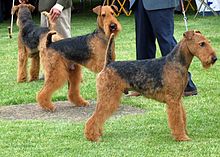 The Airedale Terrier, universally celebrated as the “King of Terriers” due to being the largest of all terrier breeds, is an intelligent, bold, and robust dog. However, despite their sturdy nature, prospective and current owners must be aware of common Airedale Terrier health problems to ensure a long and fulfilling life for their companions. The breed originated in the mid-19th century in the valley of the River Aire in Yorkshire, England, when working-class miners and farmers crossed the Old English Black and Tan Terrier with the Otterhound.
As a working breed, the Airedale Terrier is exceptionally versatile, often described as a “Jack of All Trades”. Initially bred to hunt otters, badgers, foxes, and river rats, the breed’s courage and stamina allowed it to excel in diverse tasks. Historically, Airedales have hunted big game such as bears and mountain lions, retrieved waterfowl, and assisted in driving cattle and sheep. Their fearless temperament made them invaluable during World War I, where they served as sentries, Red Cross ambulance dogs locating wounded soldiers, and messengers delivering dispatches under fire. Post-war, their intelligence and protective instincts established them as ideal candidates for law enforcement, search and rescue operations, and other working roles. U.S. President Theodore Roosevelt famously remarked, “An Airedale can do anything any other dog can do and then lick the other dog, if he has to.”
1.2 Importance of Breed-Specific Health Knowledge for Owners and Veterinarians
Despite being generally sturdy and healthy, with a lifespan of 10 to 14 years, Airedales are genetically predisposed to several hereditary health conditions. Understanding these risks is critical for both owners and veterinary professionals.
- Tailoring Preventive Health Plans
Many canine diseases are genetically linked. Knowledge of Airedales’ predispositions—such as hip dysplasia, hypothyroidism, dilated cardiomyopathy (DCM), and skin allergies—enables veterinarians to create customized preventive care schedules and monitor for early warning signs during routine check-ups. - Overcoming the Breed’s Stoicism
Airedales are known to be stoic, often masking pain or illness until conditions become severe. Awareness of breed-specific health vulnerabilities allows for early detection of subtle signs, reducing the risk of delayed intervention. - Guiding Responsible Breeding
Health screening is essential prior to breeding. Recommended evaluations include radiographic assessments for hip dysplasia and testing for bleeding disorders such as von Willebrand’s disease. Such proactive measures help reduce the transmission of hereditary conditions to offspring. - Directing Future Veterinary Research
Comprehensive breed health data, such as that from the Airedale Terrier Club of America’s National Health Survey, informs veterinary research priorities, supports breed clubs in disease prevention strategies, and promotes evidence-based care for Airedales nationwide.
2. Breed History and Origins
The Airedale Terrier boasts a rich and storied history as a highly adaptable and capable breed. Early in their development, these dogs were known by several different names, including the Bingley Terrier, the Waterside Terrier, the Rough Coated Terrier, and the Working Terrier.
2.1 Geographic Origins
The breed originated during the mid-19th century in the valley (or “dale”) of the River Aire, located in the West Riding of Yorkshire, England. Working-class residents, mill workers, and miners of this region sought to create a larger, more versatile dog capable of excelling in water rat hunting competitions and assisting in controlling local vermin along riverbanks.
2.2 Genetic Lineage
To achieve this ideal working companion, Yorkshire breeders crossed the now-extinct rough-coated Old English Black and Tan Terrier (closely related to today’s Welsh Terrier) with the Otterhound, along with select local terrier breeds. This intentional crossbreeding aimed to combine:
- The terrier’s tenacity and grit
- The Otterhound’s superior scenting ability and swimming skill
The resulting breed possessed both physical endurance and intelligence, making the Airedale Terrier capable of handling a wide range of working roles.
2.3 Historical Roles and Versatility
Thanks to this unique genetic heritage, the Airedale evolved into an exceptionally versatile all-around working and farm dog rather than a typical “go-to-ground” terrier. Historically, the breed excelled in:
Hunting
- In Britain: foxes, badgers, weasels, otters, and water rats
- In the United States: big game (bear, mountain lions), upland birds, and waterfowl
- Recognized as a “three-in-one” gundog: capable of retrieving, flushing, and tracking
War Dogs
- World War I: served as sentries, messengers delivering vital communications under fire, and Red Cross ambulance dogs locating wounded soldiers
- Praised for courage, stamina, and loyalty
Police and Guide Dogs
- Adopted by British law enforcement (Hull Docks, 1908) for patrol and scent work
- Used successfully as guide dogs, therapy dogs, and search and rescue workers
2.4 Contribution to Other Breeds
In addition to establishing its legacy as the “King of Terriers”, the Airedale Terrier contributed genetically to the development of other breeds, most notably the Yorkshire Terrier, leaving a lasting impact on terrier lineage worldwide.
3. Physical Characteristics
The Airedale Terrier is renowned for its distinctive appearance, combining size, strength, and the classic terrier expression. Breed standards emphasize balance, muscularity, and functional traits suited for a versatile working dog.
3.1 Size and Stature: The "King of Terriers"
The Airedale Terrier earned the nickname “King of Terriers” because it is the largest of all terrier breeds.
- Height: Males typically measure 23–24 inches at the shoulder; females are slightly smaller.
- Weight: Generally ranges from 35–70 pounds. Females typically weigh 35–45 pounds, and males 50–70 pounds.
- Historical Variation: In the U.S., some breeders developed an oversized variation called the “Oorang” Airedale, used for big game hunting, weighing 60–120 pounds.
3.2 Head
The Airedale exhibits a classic, well-balanced terrier head that is long, flat, and proportionate between skull and foreface.
- Stop: Barely perceptible, giving a clean profile.
- Muzzle and Jaw: Deep, powerful, and muscular foreface with delicate chiseling; includes a distinctive beard characteristic of the breed.
- Eyes and Ears: Dark, small, and alert, expressing intelligence and terrier character. Ears are V-shaped, fold slightly above the skull, and are carried to the side of the head.
3.3 Body and Build
The Airedale possesses a strong, sturdy, and muscular build, somewhat “cobby” in structure.
- Outline: Square, with leg length approximately equal to back length.
- Back and Chest: Short, level back; deep chest reaching to elbows without excessive breadth.
- Tail: Thick, set high, carried erect but not curled. Traditionally docked in the U.S., undocked tails are standard in Europe and Australia.
3.4 Coat and Coloring
The breed’s double coat is functional and protective, designed to repel dirt and moisture.
- Texture: Outer coat is hard, wiry, dense, sometimes crinkled or slightly waved; undercoat is shorter and softer.
- Color: Characteristic black or dark grizzle saddle covering the back, neck, and top of the tail; head, ears, underparts, and legs are tan.
- Grooming: Hand-stripping is preferred to maintain the coat’s harsh texture and vibrant coloration. Clipping softens the coat and may cause black/tan markings to fade toward gray/tan.
4. Temperament and Behavior
The Airedale Terrier is widely celebrated for its intelligence, boldness, and playful personality, balanced with independence and protective instincts. Understanding the breed’s temperament is critical for both owners and veterinary professionals in providing optimal care, training, and socialization.
4.1 Playful, Adventurous, Bold, Intelligent, but Sometimes Headstrong
Airedales are highly energetic, intelligent, and often exhibit a “clownish” sense of humor. Historically bred to hunt independently, they possess a strong mind of their own and can be stoic and stubborn.
- Learning Ability: Exceptionally quick learners, but they require variety and motivation in training. Repetitive or unstimulating tasks can trigger defiance.
- Training Advice: Positive reinforcement, interactive exercises, and mentally engaging activities are recommended. As experts note, “Airedales are thinkers, not robots.”
4.2 Protective yet Responsive; Generally Reliable Companions
Airedales are loyal and dependable, making them excellent watchdogs and protectors of their homes.
- Independence vs. Bonding: Despite a self-reliant nature, they bond deeply with their families and often desire involvement in all household activities.
- Behavioral Guidance: With consistent, firm, and patient leadership from an early age, their desire to please emerges, resulting in affectionate and rewarding companionship.
4.3 Exercise Requirements: Daily Physical and Mental Stimulation
As a high-energy, athletic breed, Airedales require significant daily activity:
- Recommended Duration: 60–90 minutes of physical exercise, sometimes up to 2 hours daily.
- Physical Outlets: Long walks, hikes, fetch, or agility training.
- Mental Enrichment: Puzzle toys, scent work, and obedience games.
- Consequences of Insufficient Exercise: Ignored needs often lead to destructive behaviors—digging, chewing furniture, pacing, or excessive barking.
4.4 Leadership Tendencies and Socialization
Airedales like to be in charge and may resist challenges from other dogs.
- Dog-to-Dog Interactions: Can exhibit aggression or reactivity toward dogs of the same gender; generally tolerant of smaller dogs and terriers.
- Prey Drive: High, inherited from hunting background; may chase cats or other small animals.
- Management Recommendations: Early socialization, supervised introductions to other pets, and structured guidance are essential for harmonious multi-pet households.
5. Common Health Problems and Breed-Related Diseases
Airedale Terriers are generally sturdy dogs, yet their genetic heritage and breed-specific traits predispose them to several health concerns. Awareness of these conditions is essential for owners, breeders, and veterinary professionals to provide timely interventions, preventative care, and responsible breeding practices.
5.1 Eye Problems
Vision is critical for an Airedale’s quality of life. The breed can inherit or develop several eye conditions, some of which may lead to blindness if untreated.
- Corneal Dystrophy: Presumed sex-linked recessive disorder, usually appearing between 9–11 months.
- Cataracts: Clouding of the lens, commonly causing blindness in older dogs.
- Veterinary Recommendation: Routine ophthalmic evaluations at every physical examination to detect early signs of disease.
5.2 Hip Dysplasia
Hip dysplasia is a degenerative malformation of the hip joint, leading to looseness, arthritis, and impaired mobility.
- Breed Prevalence: 6.22% in Airedales vs. 3.52% in the general dog population.
- Typical Onset: Before two years of age.
- Screening: Radiographic evaluations (OFA or PennHIP) are strongly recommended, especially for breeding dogs.
- Symptoms: Stiffness, difficulty rising, “bunny-hopping” gait, and lameness.
- Management:
- Weight control to reduce joint stress
- Conservative therapy: Low-impact exercise (swimming), physiotherapy, anti-inflammatory medications
- Surgery: Femoral head osteotomy (FHO), triple pelvic osteotomy (TPO), or total hip replacement in severe cases
5.3 Dermatitis and Skin Conditions
Dense, wiry coats can mask underlying skin issues, making regular inspection essential.
- Acral Lick Granulomas: Obsessive licking of sore spots due to irritation.
- Acute Moist Dermatitis (Hot Spots): Itchy, raw, weeping patches of skin.
- Allergies (Atopy): Triggered by environmental or dietary factors, presenting with paw licking, redness, and recurrent ear infections.
- Thyroid-Related Skin Issues: Hypothyroidism may cause dry, flaky skin, hair loss, dull coat, and recurrent infections.
5.4 Cerebellar Ataxia
A hereditary neurological disorder caused by a recessive gene affecting Purkinje cells in the cerebellum.
- Onset: Puppies aged 6–12 weeks
- Symptoms: Poor coordination, unsteady gait, rapid eye movement, difficulty focusing
- Prevention: Genetic awareness and responsible breeding to avoid passing the trait to offspring
5.5 Other Breed-Specific Risks
- Hypothyroidism: Autoimmune destruction of the thyroid gland; symptoms include lethargy, weight gain, cold intolerance, and hair loss. Managed with lifelong thyroid hormone supplementation.
- Gastric Torsion (Bloat/GDV): Life-threatening stomach twist; requires immediate surgical intervention. Warning signs include distended abdomen, dry heaving, pale gums, and restlessness.
- Progressive Retinal Atrophy (PRA): Inherited degenerative condition causing gradual blindness. Early signs appear between 3–5 years. Genetic testing is available for breeders.
6. Diagnostic Approaches for the Airedale Terrier
Maintaining the health and longevity of the Airedale Terrier requires a combination of preventive screening, advanced diagnostic tools, and genetic awareness. Veterinary professionals and owners benefit from a structured approach to identifying hereditary, structural, and systemic conditions early.
6.1 Molecular Genetics and Genetic Panels
Genetic testing is an increasingly important tool in the early detection of inherited diseases:
- Progressive Retinal Atrophy (PRA): DNA testing can identify the causative gene, enabling breeders to avoid passing this blinding condition to offspring.
- Dilated Cardiomyopathy (DCM) and Other Heritable Conditions: Genetic panels may reveal predispositions to cardiomyopathy, bleeding disorders, and other inherited risks.
- Clinical Significance: Early identification allows targeted monitoring and preventive care, often before clinical symptoms develop.
6.2 Imaging: Radiographs and Ultrasonography
Imaging is critical for assessing structural and internal health:
- Hip and Elbow Radiographs: Used to screen for dysplasia early, through standard OFA or PennHIP methods.
- Abdominal Imaging: X-rays confirm gastric torsion/bloat, a life-threatening condition.
- Cardiac Assessment: Echocardiography and X-rays, often combined with ECGs, detect structural heart disease, including DCM.
6.3 Laboratory Tests and Ophthalmic Exams
Routine laboratory monitoring supports early diagnosis of systemic and endocrine disorders:
- Blood and Thyroid Panels: Annual testing of thyroid hormone levels to detect hypothyroidism; electrolyte and adrenal assessments for Addison’s disease.
- Hematologic Testing: Evaluates blood clotting function in breeds prone to hemophilia, thrombocytopenia, or hemolytic anemia, especially before surgical procedures.
- Ophthalmic Exams: Performed at every routine visit to detect cataracts, corneal dystrophy, and PRA, which may be painful or blinding.
6.4 Preventive Genetic Screening for Breeders
Responsible breeding remains the most effective measure against hereditary diseases:
- CHIC Participation: The Airedale Terrier Club of America contributes to the Canine Health Information Center (CHIC) database to track breed health.
- Mandatory Evaluations: Dogs must undergo heart and hip evaluations (OFA or PennHIP) and provide renal disease information to receive a CHIC number.
- Optional but Recommended Screening: Eye clearances (CERF), elbow evaluations (OFA), thyroid testing, and von Willebrand disease screening.
- Impact on Breed Health: Data-driven breeding decisions help gradually reduce incidence of dysplasia, eye disorders, and other hereditary conditions across the breed population.
7. Care, Grooming, and Preventive Health
Maintaining the health, wellbeing, and longevity of the Airedale Terrier requires an integrated approach that combines pharmacologic therapy, surgical intervention when necessary, structured grooming, optimal nutrition, daily exercise, and routine preventive veterinary care.
7.1 Pharmacologic Therapy for Endocrine and Dermatologic Conditions
Because Airedales are predisposed to certain endocrine and skin conditions, medication is often a critical component of lifelong care:
- Hypothyroidism: Lifelong administration of synthetic thyroid hormone (levothyroxine) is required. Dosages must be carefully titrated based on regular blood tests to maintain normal metabolic function.
- Addison’s Disease (Hypoadrenocorticism): Hormone replacement therapy is essential to maintain adrenal function and prevent life-threatening crises.
- Dermatologic Conditions:
- Allergies (Atopy or Food Allergies): Managed with antihistamines, corticosteroids, and occasionally immune-suppressive medications for autoimmune conditions.
- Adjunctive Care: Specialized shampoos, flea prevention, and skin barrier protection are often recommended.
7.2 Surgical Intervention
Certain severe conditions in Airedales may require surgery:
- Hip Dysplasia: While mild cases respond to weight management and conservative therapy, severe dysplasia may necessitate surgical correction, including femoral head osteotomy (FHO), triple pelvic osteotomy (TPO), or total hip replacement (THR).
- Gastric Dilatation-Volvulus (Bloat/GDV): As deep-chested terriers, Airedales are at risk of stomach torsion, a life-threatening emergency requiring immediate surgical correction. Prophylactic gastropexy is recommended during spay/neuter procedures to prevent recurrence.
7.3 Grooming and Nutrition
Coat Maintenance:
- Brush 2–3 times per week using a slicker brush and metal comb to prevent mats.
- Full grooming every 6–8 weeks is recommended.
- Hand-stripping is preferred to preserve the coat’s harsh texture and rich black-and-tan color; clipping is easier but softens the coat over time.
- Weekly ear cleaning is essential to reduce the risk of yeast and bacterial infections.
Nutrition:
- Feed a high-quality, protein-rich diet with complex carbohydrates and healthy fats.
- Hypoallergenic or grain-free diets may be necessary for dogs with chronic skin or ear issues.
- Omega-3 supplementation (e.g., salmon oil) can support joint, skin, and coat health.
- Strict weight management is critical, particularly for dogs with hip dysplasia or joint concerns.
7.4 Daily Physical and Mental Exercise
Airedales are high-energy, intelligent working dogs:
- Require 60–90 minutes (up to 2 hours) of daily exercise, including walks, hiking, swimming, fetch, or agility activities.
- Mental stimulation is equally important: puzzle toys, scent work, and varied obedience exercises help satisfy their “thinking dog” needs.
- Without adequate exercise, Airedales can develop boredom-driven behaviors, including destructive chewing, excessive barking, digging, and hypervigilance.
7.5 Vaccinations and Routine Wellness Exams
Preventive veterinary care is essential to maintain a long, healthy lifespan (10–14 years):
- Wellness Exams: Annual visits, or twice-yearly for seniors, allow early detection of breed-specific conditions such as heart murmurs, cataracts, or joint stiffness.
- Laboratory Screening: Routine blood work to monitor thyroid function, electrolytes, and other breed-predisposed parameters is recommended.
- Vaccinations: Stay up-to-date on core vaccines (rabies, parvovirus, distemper), following local guidelines and lifestyle requirements.
- Parasite Prevention: Year-round flea, tick, and heartworm preventatives protect against vector-borne illnesses and secondary allergic dermatitis.
8. Genetic Screening and Responsible Breeding
While the Airedale Terrier is generally robust, the breed faces significant risks due to a narrowing gene pool. Even seemingly unrelated Airedales from different regions share approximately 40% of their genes because of common ancestry. This high homozygosity increases the prevalence of complex hereditary disorders, including autoimmune diseases (e.g., Addison’s disease), cardiac conditions such as dilated cardiomyopathy (DCM), and orthopedic issues like hip dysplasia.
8.1 Importance of Genetic Screening
Visual health alone is insufficient for assessing breeding suitability. Airedales can be asymptomatic carriers of harmful recessive genes, meaning joint malformations, eye disorders, or cardiac predispositions may remain hidden until passed to offspring. Genetic screening and advanced diagnostics are essential tools for uncovering these latent risks. By identifying carriers, breeders can implement strategies to dilute harmful mutations and prevent their propagation in future generations.
8.2 Health Certification Before Breeding
Reputable Airedale breeders follow strict protocols set by the Airedale Terrier Club of America (ATCA), which prohibits selling puppies without proper health clearances. ATCA participates in the Canine Health Information Center (CHIC) database, promoting transparency and long-term breed health.
Required health evaluations for CHIC certification include:
- Hip Dysplasia: Radiographs evaluated through OFA or PennHIP.
- Cardiac Screening: OFA heart evaluations to detect conditions such as DCM.
- Renal Disease: Screening to rule out inherited kidney problems.
Recommended additional tests:
- Elbow dysplasia assessments
- Autoimmune thyroiditis testing
- Eye clearances through the Canine Eye Registration Foundation (CERF)
- Von Willebrand’s disease screening
Transparency is critical: All test results—positive or negative—must be submitted to public databases. Withholding poor scores undermines pedigree data, reducing the effectiveness of Estimated Breeding Values (EBVs) and impairing efforts to reduce hereditary disorders.
8.3 Guidelines for Responsible Breeding
To safeguard the Airedale Terrier’s long-term health and functional ability, breeders are encouraged to follow these principles:
- Prioritize Function Over Form: Physical soundness and working ability should take precedence over show appearance. Dogs must be clinically healthy and capable of performing traditional working roles before entering breeding programs.
- Sustainable Breeding Practices: Avoid excessive line breeding on a few top-performing sires. Outcrossing with unrelated lines increases genetic diversity, strengthens immune function, and reduces harmful recessive traits.
- Expanding the Gene Pool: Follow Fédération Cynologique Internationale (FCI) recommendations by not excluding more than 50% of the population from breeding. Selecting from the healthiest half of the population helps maintain genetic variation, preserve adaptability, and improve lifespan.
9. Conclusion
The Airedale Terrier is widely regarded as a robust, intelligent, and versatile working breed. Nevertheless, veterinary studies indicate that the breed carries predispositions to several hereditary and acquired conditions, including hip dysplasia, hypothyroidism, dermatologic disorders, cerebellar ataxia, and ocular diseases such as cataracts and Progressive Retinal Atrophy (PRA). In addition, their large body size and deep chest structure place them at risk for life-threatening emergencies such as gastric dilatation-volvulus (GDV).
Maintaining long-term health in this breed therefore depends heavily on preventive medicine and early detection. Routine wellness examinations, orthopedic screening, ophthalmic evaluation, and endocrine monitoring remain essential components of veterinary care. At the same time, advances in molecular diagnostics, including polymerase chain reaction (PCR) technologies, are expanding the ability of veterinarians to detect infectious agents and genetic predispositions with greater sensitivity and speed. Modern compact diagnostic systems, such as the Qmini Real-Time PCR Analyzer developed by Bioguard Corporation, demonstrate how real-time PCR platforms are increasingly being adopted in veterinary laboratories and clinics to support rapid molecular testing and precision diagnostics.
For Airedale Terriers in particular, integrating genetic screening, molecular diagnostics, and routine clinical monitoring can significantly improve early disease detection and guide more targeted treatment strategies. Combined with proper nutrition, grooming, exercise, and vaccination protocols, these approaches help ensure that dogs remain healthy throughout their typical 10 to 14 year lifespan.
Ultimately, responsible breeding practices, informed ownership, and close collaboration with veterinary professionals remain the most effective strategies for protecting the long-term welfare of the Airedale Terrier. Through preventive care and the adoption of modern diagnostic technologies, veterinarians and owners can work together to support healthier, longer, and more resilient generations of this iconic terrier breed.
Source:
Airedale Terrier Club of America. (n.d.). Puppy packet suggestions. Airedale Terrier Club of America.
Airedale Terrier Club of America. (2001). Airedale Terrier Club of America 2001 national health survey.
Ark Vet Clinics. (n.d.). Hypothyroidism in dogs.
Arndt Small Animal Center. (n.d.). Airedale Terrier diseases. Veterinarian Karlsruhe.
Breeds101. (n.d.). Airedale Terrier lifespan: How long do they live?
Cornell University College of Veterinary Medicine. (2025, April). Gastric dilatation volvulus (GDV) or “bloat”.
Costa, H. C. C., Fernandes, A. O., Melo, J. M. C. A., Silva, L. K. L., Carvalho Filho, R. L., Santos, A. P. L., Souza, H. C. S., Araújo, M. G., Penha, N. G. G., Pires, S. S. O., & Dias, H. L. C. (n.d.). Von Willebrand disease in dogs: A genetic approach. Journal of Agricultural Sciences Research. eduCAPES.
Dogshealth Editor. (2022, September 26). Hip dysplasia in Airedale Terriers. Dog’s Health.
European College of Veterinary Ophthalmologists (ECVO). (2021). ECVO manual: Breeds 2021 – Airedale Terrier ocular disorders known or presumed to be inherited (published).
Fédération Cynologique Internationale (FCI). (2021, August 23). FCI-Standard N° 7: Airedale Terrier.
Halvorson, C. (n.d.). Recognizing the Airedale’s hunting abilities – The Airedale Terrier Club of America’s hunting/working movement. Airedale Terrier Club of Canada.
Hancock, D. (n.d.). 938 the Airedale – Yorkshire Griffon or Lancashire’s Otterhound?
Kennel Club & British Small Animal Veterinary Association Scientific Committee. (n.d.). Summary results of the purebred dog health survey for Airedale Terriers. DogWellNet.
Kevin. (n.d.). Bioguardlabs (Page 15 of 25). Bioguardlabs.
Lawson, L. (2025, October 21). How much exercise do Airedale Terriers need? Vet-verified facts & info. (K. Kanowski, Rev.). Dogster.
LifeLearn Animal Health. (2014, May 26). Airedale Terrier. VCA Animal Hospitals.
Mountaintop Animal Hospital. (n.d.). Airedale Terrier – Breed info. Veterinarians Mountain Top.
National Purebred Dog Day. (2020, January 12). Airedales on the beat.
Next Level Dog Training. (n.d.). Airedale Terrier training – Effective & positive methods.
PetLab Co. (2026). Airedale Terrier grooming guide: At-home tips & tricks.
PetPlace. (n.d.). Airedale Terrier: A guide to breed personality and care.
Pets4Homes. (n.d.). Autoimmune hypothyroiditis in Airedale Terriers: Symptoms & care.
Reddit Contributors. (n.d.). Hip dysplasia : r/airedaleterrier. Reddit.
Rosembert, J. K. (n.d.). Breed-related disease: Airedale Terrier. Bioguardlabs.
Schmelzer, E. (2023, May 1). Airedale Terrier dog breed health and care. (B. J. Morrison, Rev.). PetMD.
Scottie, J. D. (n.d.). Tips for training an unruly Airedale Terrier. PetHelpful.
South Lake Animal Hospital. (n.d.). Airedale Terrier – Breed info. Veterinarians Clermont, Florida.
The Vetstreet Team. (2011, July 3). Airedale Terrier breed information. Vetstreet.
United Kennel Club (UKC). (2007, April 15). Official UKC breed standard: Airedale Terrier.
Veterinary Information Network (VIN). (n.d.). Lick granuloma in dogs. Veterinary Partner.