
Breed-Related Diseases in Shih Tzus: Health Risks & Prevention
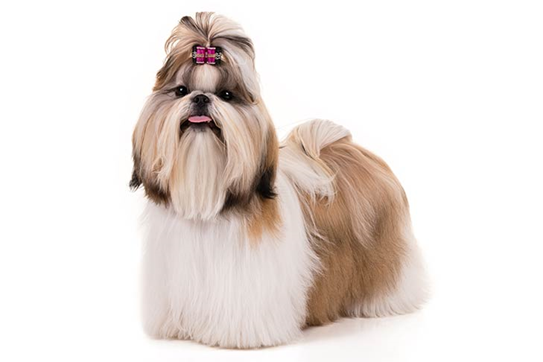
Table of Contents 1. Introduction The Shih Tzu is a small toy breed dog whose identity is inseparable from its role as a dedicated human companion. Often described as lively, affectionate, intelligent, and socially confident, the breed has been selectively developed for proximity to people rather than for functional tasks such as hunting or guarding. While many Shih Tzus display a sweet and playful disposition, behavioral expression varies among individuals, and some may exhibit fearfulness, excessive vocalization, stubbornness during training, or anxiety-related behaviors. As with all breeds, temperament reflects the interaction between genetics, early socialization, and environment. Historical Legacy: The “Lion Dog” and Buddhist Symbolism Although most commonly associated with imperial China, historical and genetic evidence suggests that the Shih Tzu likely originated in Tibet, where it was developed through crosses between the Lhasa Apso and Pekingese. The breed’s name translates to “lion dog,” referencing its resemblance to lions depicted in traditional Buddhist and Chinese art. Within Buddhist mythology, legend holds that Buddha was accompanied by a small lion dog capable of transforming into a powerful protector when danger arose. A distinctive white patch of hair on the crown of the head—often called the “Star of Buddha” or “Buddha’s kiss”—is traditionally believed to mark the spot where Buddha blessed the dog for its courage. The breed’s modern genetic landscape is shaped by a significant historical bottleneck. During the Chinese Communist Revolution in 1949, Shih Tzus were nearly eradicated due to their association with wealth and aristocracy. Consequently, all modern Shih Tzus descend from only 13–14 dogs exported to England and Scandinavia between 1928 and 1952, a fact that continues to influence inherited disease prevalence today. Temperament and Behavioral Expression The Shih Tzu is best understood as a pure companion breed, bred specifically for human interaction. Unlike working dogs, its behavioral priorities center on proximity, attention, and emotional engagement. Historically used as alert dogs in royal households, Shih Tzus retain a tendency toward sharp, sudden barking to signal the arrival of visitors. Without early training, this trait may develop into excessive vocalization. Despite high intelligence and responsiveness, the breed is known for a stubborn streak, making house training more challenging than in some other toy breeds. Their intense attachment to owners predisposes many Shih Tzus to separation anxiety, manifested as clinginess, distress vocalization, or destructive behaviors when left alone. Socially, they are typically trusting and confident, often approaching unfamiliar people and animals without hesitation. Physical Nuances and Grooming Requirements The Shih Tzu’s long, flowing coat is not merely cosmetic but represents a significant welfare consideration. Unlike fur, the breed’s coat more closely resembles human hair, growing continuously without seasonal shedding. As a result, daily brushing and regular professional grooming are essential to prevent painful matting. Matting most commonly develops in friction zones, including behind the ears, beneath the collar or harness, in the axillary region, and around the groin. Failure to maintain coat hygiene can lead to skin inflammation, infection, and chronic discomfort. Adult Shih Tzus typically weigh 4–7.5 kg (9–17 lbs). Despite their compact and sturdy appearance, they are physically fragile and susceptible to injury from falls or repeated jumping from elevated surfaces such as furniture. Critical Health and Welfare Priorities The Shih Tzu’s brachycephalic conformation underlies several breed-specific health risks that require proactive management. Category Primary Concerns and Clinical Implications Respiratory Brachycephalic Obstructive Airway Syndrome (BOAS) is characterized by narrowed nostrils, elongated soft palate, and a narrow trachea. Impaired airflow significantly increases the risk of heat intolerance and heatstroke, as effective panting is compromised. Ophthalmological Shallow orbits and prominent globes predispose the breed to keratoconjunctivitis sicca (dry eye), corneal ulcers, cataracts, glaucoma, and proptosis. Ulcerative keratitis is among the most frequently diagnosed ophthalmic conditions in Shih Tzus. Dental Shortened jaws lead to dental overcrowding, promoting plaque retention, periodontal disease, and early tooth loss if preventive dental care is not maintained. 2. Breed Characteristics and Lifestyle Considerations The Shih Tzu is fundamentally defined by its role as a pure companion breed, with behavioral traits that are closely intertwined with its physical structure and emotional needs. While the breed is adaptable to a wide range of living environments, including apartments and urban settings, its distinctive anatomy necessitates intentional lifestyle management to prevent avoidable morbidity and welfare compromise. Exercise and Activity Profile Shih Tzus are moderately active dogs that benefit from regular, low-impact physical activity rather than intense or prolonged exertion. Recommended Activity Level: A healthy adult Shih Tzu typically benefits from one to two daily walks, each lasting approximately 20–30 minutes at a comfortable pace. Many individuals remain well-conditioned with a single 30-minute walk supplemented by indoor play. Airway Protection: Due to the breed’s delicate tracheal anatomy, the use of a well-fitted harness rather than a neck collar is strongly recommended to minimize pressure on the airway and reduce the risk of tracheal irritation or collapse. Indoor Enrichment: During periods of extreme weather or poor air quality, indoor activities such as low-impact fetch, puzzle feeders, and scent-based enrichment tools (e.g., snuffle mats) provide adequate physical movement while supporting cognitive stimulation. Heat Sensitivity and Brachycephalic Risk The Shih Tzu’s brachycephalic (flat-faced) conformation has profound implications for thermoregulation and respiratory efficiency. Impaired Heat Dissipation: Shortened nasal passages and reduced airway diameter limit effective panting, the primary mechanism by which dogs dissipate heat. As a result, Shih Tzus expend greater respiratory effort to cool themselves and are prone to rapid overheating. Environmental Timing: Outdoor activity should be restricted to early morning or late evening, avoiding peak heat periods between 10:00 AM and 5:00 PM, even in temperate climates. Humidity Considerations: Elevated humidity further compromises evaporative cooling and increases airway resistance. Under such conditions, even brief walks may precipitate respiratory distress, heat exhaustion, or collapse, particularly in dogs with underlying airway abnormalities. Social Interaction and Behavioral Welfare Behaviorally, the Shih Tzu is deeply oriented toward human companionship and emotional proximity. Companion Dependency: Often described as “shadow dogs,” Shih Tzus commonly follow their owners throughout the home and display discomfort when socially isolated. Separation Anxiety