
American Bobtail Cat: Health, Care, and Unique Traits
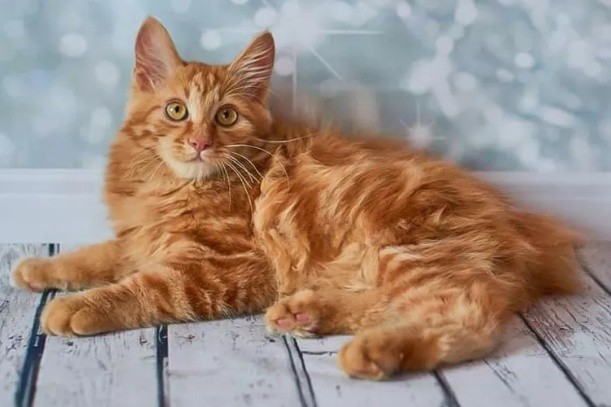
John K. Rosembert 1. Introduction The American Bobtail is a relatively uncommon domestic cat breed, first developed in the late 1960s from a short-tailed kitten acquired by John and Brenda Sanders during a vacation in Arizona. Known for its medium-to-large, semi-cobby physique, muscular build, broad chest, and slightly arched back, the American Bobtail resembles a small lynx in appearance. Beyond these striking breed traits, maintaining optimal cat health requires a deep understanding of their genetic predispositions. By prioritizing proactive preventive care, owners and veterinary professionals can ensure these affectionate companions live long, healthy lives. American Bobtails are celebrated not only for their striking physical traits but also for their intelligence, adaptability, and affectionate personality. They thrive as family companions, can be trained to walk on a leash, and exhibit playful, dog-like behaviors such as fetching and solving puzzle toys. While generally healthy and hardy, American Bobtails may face specific breed-associated health risks, including spinal irregularities, hip dysplasia, polycystic kidney disease (PKD), and hypertrophic cardiomyopathy (HCM). Understanding the genetic underpinnings, potential health conditions, and preventive care strategies for this breed is essential to ensure longevity, well-being, and a high quality of life. This article systematically examines these aspects, highlighting molecular diagnostics, ethical breeding, and day-to-day management for American Bobtail cats. 2. Breed Overview: The American Bobtail 2.1 History and Origin The American Bobtail is a relatively rare domestic cat breed developed in the late 1960s. Its origin traces back to a short-tailed kitten acquired by John and Brenda Sanders during a vacation in Arizona. The breed was intentionally developed to preserve this unique natural mutation while maintaining a friendly, intelligent, and adaptable temperament. Unlike other bobtail breeds, such as the Japanese Bobtail, the American Bobtail’s tail mutation is dominant and naturally occurring. 2.2 Physical Characteristics American Bobtails are medium-to-large, semi-cobby cats with a muscular build, broad chest, and slightly arched back—giving them the appearance of a small lynx. Their heads are broad with prominent cheeks, a strong chin, and a triangular-shaped muzzle slightly wider than it is long. The breed’s eyes are large and almond-shaped, while their ears are set low on the skull and often feature small tufts of fur known as “lynx tips.” Longhair varieties also have tufts of fur between their toes. The overall impression is one of strength, agility, and a wild, lynx-like elegance. 2.3 Temperament and Personality American Bobtails are highly intelligent, affectionate, and playful. They are known for their dog-like behaviors, including walking on a leash, fetching, and engaging with puzzle toys. These cats bond closely with their families, enjoy interactive play with children and other pets, and adapt well to a variety of household environments. While not overly vocal, they communicate with chirps, clicks, trills, purrs, and occasional meows. 2.4 The Signature Bobtail and Genetics The breed’s hallmark short tail results from a dominant mutation in the feline T (Brachyury) gene. Tail length and shape vary widely, with tails being straight, curved, kinked, or featuring small bumps, typically measuring 1 to 4 inches. Litters can include full-length tails, standard bobtails, or entirely tailless “rumpies,” which may be at higher risk for spinal or bowel-control issues. It is important for breeders and owners to be aware of these potential health implications when managing breeding lines. 2.5 Size, Maturation, and Lifespan American Bobtails are deceptively heavy and muscular. Adult males weigh 12–16 pounds, while females typically range from 7–11 pounds. They are slow-maturing, often reaching full physical development between two and three years of age. With appropriate nutrition and care, their lifespan ranges from 11 to 15 years, with some individuals living up to 18–20 years. 2.6 Grooming and Coat Care Despite their rugged appearance, American Bobtails are relatively low-maintenance. Both shorthair and longhair varieties possess a double coat that resists matting. Routine brushing once or twice per week is sufficient to remove dead hair and maintain coat health, though shedding increases seasonally in spring and fall. Regular nail trims, dental hygiene, and ear checks are recommended to prevent secondary health issues. 2.7 Dietary Needs Given their muscular build and feral lineage, American Bobtails thrive on high-protein, meat-based diets. Plant-based proteins are poorly digested and should not be the primary source of nutrition. Controlled meal portions are crucial, as the breed is prone to overeating and subsequent obesity, which can exacerbate joint problems and other metabolic issues. 3. Health and Disease Profile of the American Bobtail The American Bobtail is generally considered a robust and healthy breed, largely free from severe inherited disorders. However, veterinarians and owners should remain vigilant for several breed-specific and general feline health concerns. Early recognition and preventive care can dramatically improve outcomes and quality of life. 3.1 Spinal Problems American Bobtails born completely tailless—commonly referred to as “rumpies”—have a higher predisposition to spinal and neurological abnormalities. Shortened spines can interfere with normal neurological function, potentially resulting in fecal incontinence or bowel-control issues. Veterinary evaluation at an early age, especially for rumpies, is recommended to monitor spinal development and manage any functional deficits. 3.2 Polycystic Kidney Disease (PKD) PKD is characterized by the formation of cysts in one or both kidneys, which can compromise renal function over time. While American Bobtails are not as severely predisposed as Persian-derived breeds, renal disease ranks among the top five health concerns for this breed based on pet insurance data. Early detection through ultrasound screening or genetic testing, along with routine monitoring of kidney function, can help manage disease progression. 3.3 Hypertrophic Cardiomyopathy (HCM) HCM involves thickening of the heart muscle, potentially leading to heart failure if left untreated. In American Bobtails, HCM may initially present as a heart murmur, with advanced disease manifesting as lethargy, decreased exercise tolerance, or coughing. Echocardiography is the preferred diagnostic method, and regular cardiac monitoring is advised for middle-aged and older cats. 3.4 Hip Dysplasia Although rare in domestic cats, hip dysplasia has been observed in American Bobtails. This condition occurs when the hip joint is lax, leading to degenerative joint disease (osteoarthritis). Clinical signs range from mild to