
Beagle Breed Health Risks and Modern Diagnostic Approaches
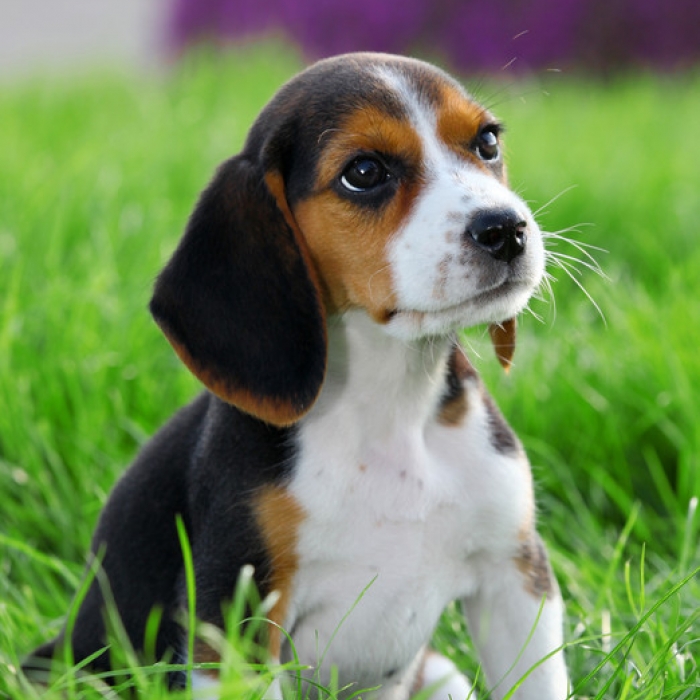
Table of Contents 1. Introduction: The Beagle as a Functional Scent Hound The Beagle is a small hound breed developed primarily for hunting hare, distinguished by its exceptional sense of smell and persistent tracking ability. Closely resembling a smaller version of the foxhound, the Beagle has historically functioned as a scent-driven working dog, capable of following trails over long distances with remarkable accuracy. This olfactory specialization has extended beyond hunting; today, Beagles are widely used as detection dogs for prohibited agricultural products and food items in quarantine systems worldwide, reflecting the precision of their scenting capability. From a morphological standpoint, Beagles are compact yet robust, with a deep chest, strong limbs, and a short, dense coat—features that support endurance rather than speed. Their long head, low-set drooping ears, and expressive eyes are characteristic of scent hounds, while their sociable and gentle temperament has made them one of the most popular companion breeds globally. However, alongside these desirable traits, the breed is associated with a range of Beagle health problems that reflect both its genetic background and functional design. These include neurological disorders such as epilepsy, endocrine conditions like hyperadrenocorticism, and structural issues affecting the spine, eyes, and cardiovascular system. As veterinary medicine increasingly adopts precision and preventive approaches, understanding how these risks arise—and how they can be managed—is essential for improving long-term health outcomes in the breed. 2. Breed Morphology and Behavioral Characteristics The Beagle’s morphology and behavior are tightly linked to its historical role as an endurance scent hound, bred to track prey over long distances in challenging terrain. As with many working breeds, these functional traits confer both performance advantages and predictable clinical risks. 2.1 Morphology The physical build of the Beagle reflects its specialization for sustained scent tracking rather than speed, with anatomical features optimized for endurance, environmental resilience, and olfactory efficiency. 2.1.1 Coat and Coloration Beagles possess a short, dense, and weather-resistant “hound coat”, designed to protect against environmental exposure such as moisture and dense vegetation. Most commonly tricolor (black, white, and tan) Other variations include lemon and white or red and white Characteristic white-tipped tail (“flag”) enhances visibility in tall grass 2.1.2 Body Structure and Build Beagles are compact, sturdy, and slightly longer than tall, with a structure that supports endurance tracking: Deep, broad chest → increased lung capacity Strong, muscular back → sustained locomotion Short, stocky limbs → stability over uneven terrain This conformation allows Beagles to maintain prolonged activity at moderate intensity, a key trait for scent hounds. 2.1.3 Head and Expression The Beagle’s head is a functional sensory unit: Moderately long skull with slight dome Square-cut muzzle for efficient airflow Large brown or hazel eyes, producing the breed’s characteristic gentle expression Low-set, drooping ears, aiding in scent tracking 2.1.4 Clinical Risks Associated with Morphology While functionally advantageous, these traits contribute to specific health risks: Ear infections (otitis externa):Drooping ears restrict airflow, creating a warm, humid environment favorable for bacterial and yeast overgrowth Spinal disorders (IVDD):A relatively elongated back combined with compact limb structure can increase mechanical stress on intervertebral discs Clinical Insight:Even moderate conformation traits, as seen in Beagles, can produce measurable disease risk when combined with lifestyle and environmental factors. 2.2 Behavioral Characteristics The Beagle’s temperament reflects its development as a pack-oriented, scent-driven working dog, resulting in a unique combination of sociability, independence, and strong instinctual behavior. 2.2.1 Sociability and Temperament Beagles are widely regarded as: Friendly, gentle, and even-tempered Highly sociable with other dogs Particularly well-suited for families with children Their pack-based origin contributes to their strong social bonding behavior. 2.2.2 Separation Anxiety A direct consequence of their pack nature is a low tolerance for isolation: Prone to separation anxiety May exhibit destructive behaviors when bored or left alone Clinical Relevance:Chronic stress can contribute to behavioral disorders and secondary health issues. 2.2.3 Instinctual Drives and Roaming Behavior Beagles possess an exceptionally strong prey drive and scent-tracking instinct: Easily distracted by environmental scents May ignore recall commands once engaged in tracking Require secure fencing and leash control Behavioral Note:Early socialization is essential if cohabiting with non-canine pets. 2.2.4 Training and Cognitive Profile Although intelligent, Beagles exhibit: Independent, scent-driven decision-making Reduced responsiveness to repetitive obedience training Effective Training Strategy: Positive reinforcement Short, engaging sessions Use of food-based motivation 2.2.5 Vocalization (Baying) Beagles are known for their distinctive “baying” vocalization: A deep, resonant sound combining elements of a howl and bark Historically used to signal location during hunts Modern Context:This trait persists and can be a challenge in domestic environments. 2.2.6 Appetite and Obesity Risk Beagles have a markedly high appetite and food motivation, which presents both advantages and risks: Facilitates training Predisposes to: Overeating Ingestion of non-food items Clinical Impact of Obesity: Increased risk of: IVDD Osteoarthritis Cardiovascular disease Clinical Insight:In Beagles, obesity is not merely a lifestyle issue—it is a major disease amplifier. 2.3 Clinical Implications of Morphology and Behavior The defining traits of the Beagle—its appetite, ear structure, endurance build, and independent temperament—are direct products of its functional history as a scent hound. However, these same traits also create predictable veterinary risks and management challenges. Table 1. Functional Traits and Associated Clinical Risks in Beagles Trait Functional Role Clinical Risk Strong Appetite Survival advantage; enhances trainability (e.g., detection work such as “Beagle Brigade”) Obesity; dietary indiscretion; foreign body ingestion → gastrointestinal obstruction, toxicity Drooping Ears Trap and funnel scent particles toward the nose during tracking Otitis externa; bacterial (Pseudomonas) and yeast (Malassezia) overgrowth due to reduced airflow Active Tracking Behavior + Body Structure High stamina; low center of gravity supports sustained scent tracking Increased spinal stress → Intervertebral Disc Disease (IVDD); joint strain Independent Temperament Enables autonomous tracking over long distances Training difficulty; poor recall; roaming behavior → environmental hazards (e.g., traffic) 2.3.1 Appetite and Metabolic Risk Beagles exhibit a voracious and indiscriminate appetite, a trait historically advantageous for survival and now leveraged in working roles requiring food-based training. From a clinical perspective, this predisposition results in: High obesity risk, which significantly